
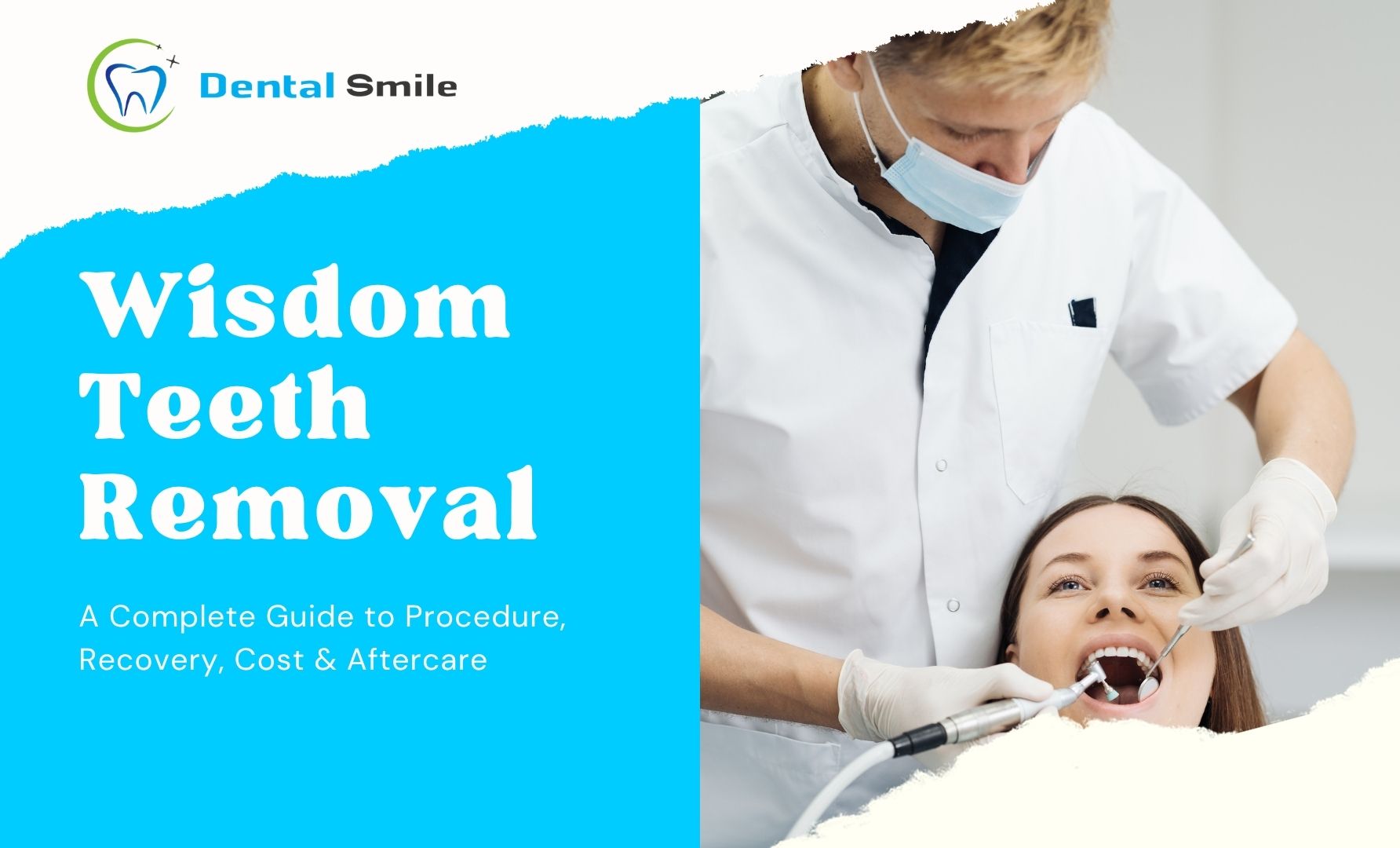
What Is Wisdom Teeth Removal?
If you’ve been dealing with jaw pain, swollen gums, or that annoying pressure at the back of your mouth, there’s a good chance you’re dealing with your third molars also known as wisdom teeth. Wisdom Teeth Removal is a minor oral surgery procedure that involves extracting one or more of these molars to prevent or treat dental problems like impaction, infection, or misalignment.
This treatment is extremely common according to the American Dental Association (ADA), millions of patients undergo this procedure each year to reduce long-term oral health risks.

Why Wisdom Teeth Need to Be Removed
Wisdom teeth typically erupt between ages 17–25, but by that time, your jaw is usually fully developed and may not have enough room. When they don’t erupt properly, several issues can arise:
- Impaction (teeth trapped under gums or bone)
- Gum infection
- Tooth crowding
- Damage to nearby molars
- Cysts around the affected tooth (rare but possible)
Signs You May Need Wisdom Teeth Removal
You may need to consider extraction if you experience:
- Swelling or redness around gums
- Persistent jaw pain
- Bad breath
- Difficulty opening your mouth fully
- Cavities in surrounding teeth
- Headaches caused by pressure
Your dentist will usually confirm this through X-rays to see the angle and space available for eruption.
Benefits of Early Wisdom Teeth Extraction
Removing wisdom teeth earlier often during the teenage years has several advantages:
- Faster recovery
- Lower risk of complications
- Prevention of crowding
- Reduced chance of infection or cysts
- Less post-operative discomfort
Early removal can also help prevent shifting of teeth, especially if someone has had orthodontic treatment already.

Wisdom Teeth Removal Procedure Step by Step
Understanding the process reduces anxiety and helps you prepare mentally.
Before the Wisdom Teeth Removal Procedure
- Dental X-ray
- Discussion of anesthesia options
- Reviewing medical history
- Pre-op instructions (avoid eating if general anesthesia is used)
During the Procedure
Your oral surgeon will:
- Administer local, IV sedation, or general anesthesia
- Open gum tissue to access the tooth
- Remove bone (if required)
- Extract the tooth intact or in sections
- Clean the site
- Stitch the area (in some cases)
- Place gauze to control bleeding
Most procedures take 30–60 minutes.
After the Procedure
You’ll rest until the anesthesia wears off, then receive post-care instructions before going home.
Recovery Timeline & Aftercare Tips
Recovery usually lasts 3–7 days, but for impacted extractions, full healing can take a couple of weeks.
What to Expect
- Day 1–2: Swelling and mild bleeding
- Day 3–4: Reduced swelling, discomfort improving
- Day 5–7: Return to normal eating patterns
- Week 2: Most tenderness gone
Aftercare Tips
- Apply ice packs
- Avoid spitting and using straws (prevents dry socket)
- Rinse gently with warm salt water
- Stay hydrated
- Sleep with your head elevated
- Take prescribed medication
Cost of Wisdom Teeth Removal
The cost varies depending on:
- Whether teeth are impacted
- Type of anesthesia
- Number of teeth removed
- The surgeon’s expertise
Average cost range:
- Simple extraction: $100–$400 per tooth
- Impacted extraction: $250–$800 per tooth
Insurance may cover part of the expenses.
Risks & Complications
Like any surgery, there are potential risks:
- Dry socket
- Nerve irritation (temporary in most cases)
- Infection
- Sinus complications (upper teeth)
- Prolonged bleeding
However, serious complications are rare when performed by experienced oral surgeons.
How to Prepare Before the Procedure
- Arrange transportation
- Wear comfortable clothing
- Avoid eating 6–8 hours before sedation
- Discuss medications with your dentist
- Prepare soft foods in advance (yogurt, mashed potatoes, soup)
Best Foods to Eat After Wisdom Teeth Removal
Go for foods that are soft, cool, and easy to swallow:
- Applesauce
- Smoothies
- Oatmeal
- Scrambled eggs
- Blended soups
- Ice cream
- Mashed bananas
Avoid crunchy, spicy, or acidic foods for at least 5 days.
When to Call Your Dentist
Reach out to your provider if you experience:
- Fever
- Persistent bleeding
- Severe swelling after day 3
- Pus or foul taste
- Difficulty breathing or swallowing
- Numbness lasting more than 48 hours

Conclusion
If you’ve been struggling with jaw pain, gum swelling, or discomfort at the back of your mouth, Wisdom Teeth Removal may be the best step to protect your oral health. The procedure is safe, quick, and helps prevent long-term complications. With proper aftercare and early detection, you can recover smoothly and maintain a healthy smile.
FAQs About Wisdom Teeth Removal
Most people report mild discomfort rather than intense pain. Anesthesia during the procedure ensures you feel little to nothing, and pain medication helps manage recovery.
It typically takes 30–60 minutes depending on how many teeth are extracted and whether they are impacted.
Not always. If your teeth erupt cleanly, without pain, infection, or crowding, your dentist may suggest monitoring instead of removal.
You can eat soft foods a few hours after surgery but avoid solid foods for a few days.
Most people return within 1–2 days, depending on the type of extraction and anesthesia.
Need your wisdom teeth checked? Learn more about wisdom teeth removal or book a visit at our Charmhaven clinic on the Central Coast — call (02) 4330 0834.
