
If you have ever caught yourself hiding your smile in photos or covering your mouth when you laugh, you likely understand the impact dental aesthetics can have on confidence.
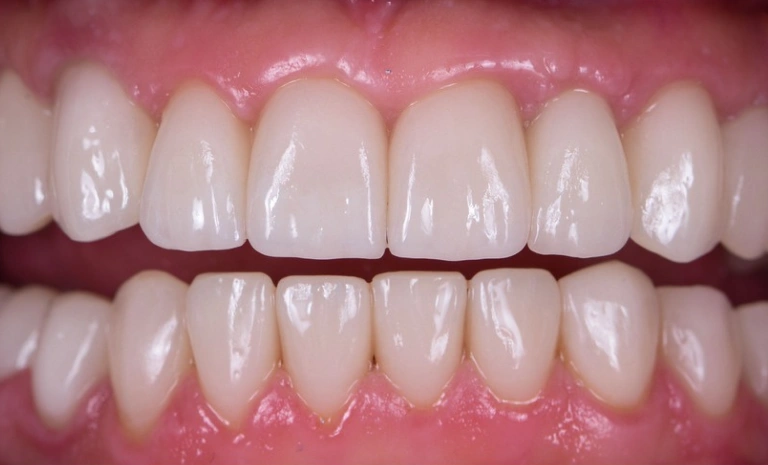
Dental veneers have long been the gold standard for Hollywood smiles. However, the “chiclet-white,” overly perfect look of the past is fading. In 2025, the trend has shifted toward “undetectable dentistry” veneers that mimic the natural translucency, texture, and slight imperfections of real teeth.
Whether you are looking to fix a chipped tooth, close a gap, or brighten a stained smile, this guide covers everything you need to know about veneers, from cost to procedure.
What Are Dental Veneers?
Dental veneers are ultra-thin, custom-made shells designed to cover the front surface of teeth to improve their appearance. Made from tooth-colored materials like porcelain or composite resin, they are bonded to the front of the teeth to change their color, shape, size, or length.
Think of them as “false fingernails” for your teeth but significantly more durable and permanent. Unlike a crown, which covers the entire tooth, a veneer only covers the visible front surface.
Types of Veneers: Porcelain vs. Composite
The two main contenders in the veneer world are Porcelain and Composite Resin. Choosing between them depends on your budget, timeline, and aesthetic goals.
1. Porcelain Veneers
These are the premium option. A ceramist in a dental lab hand-crafts them to match the light-reflecting properties of natural teeth. They are highly resistant to stains (coffee and wine lovers, rejoice) and incredibly durable.
2. Composite Veneers
Composite veneers are often applied in a single visit. The dentist applies a tooth-colored resin directly to your tooth and sculpts it by hand. While more affordable, they are generally less durable than porcelain and more prone to staining over time.
Porcelain vs. Composite: A Quick Comparison
| Feature | Porcelain Veneers | Composite Veneers |
| Material | Custom-crafted Ceramic | Engineered Resin |
| Lifespan | 10–15+ years | 4–8 years |
| Cost | High ($900 – $2,500/tooth) | Moderate ($250 – $1,500/tooth) |
| Stain Resistance | Excellent | Moderate |
| Procedure Time | 2–3 visits (weeks) | 1 visit (same day) |
| Reversibility | Irreversible (enamel removed) | Reversible (usually) |
The Veneer Procedure: Step-by-Step
Understanding the process can alleviate anxiety. Here is what typically happens during the journey to a new smile.
Step 1: Consultation and Digital Smile Design (DSD)
Modern dentistry relies heavily on technology. Your dentist will take X-rays and photos. In 2025, many top-tier cosmetic dentists use Digital Smile Design (DSD). This allows you to see a digital simulation of your new smile before a single tool touches your teeth.
Step 2: Preparation
To ensure the veneer doesn’t look bulky, the dentist usually needs to remove a small amount of enamel (about 0.5mm) from the front and sides of the teeth.
Note: Minimal-prep and no-prep veneers are becoming popular, but they aren’t suitable for everyone.
Step 3: Impression and Temporaries
Once the teeth are prepped, a mold (impression) is taken and sent to a lab. You will likely wear temporary veneers for 1-2 weeks while your permanent ones are being crafted.
Step 4: Bonding
You return to the clinic once the porcelain veneers are ready. The dentist checks the fit and color. If everything looks perfect, your teeth are cleaned, and the veneers are permanently cemented into place using a special light beam to harden the adhesive.
Pros and Cons of Veneers
The Benefits
Natural Appearance: High-quality porcelain is indistinguishable from natural enamel.
Stain Resistance: You can enjoy your morning coffee with less fear of yellowing (specifically with porcelain).
Instant Orthodontics: They can fix minor misalignments, gaps, and cracks without braces.
The Drawbacks
Irreversibility: Because enamel is removed, you will likely always need veneers or crowns on those teeth.
Sensitivity: You may experience sensitivity to hot and cold foods for a few days after the procedure.
Cost: A full smile makeover is a significant financial investment.
Frequently Asked Questions
This section is designed to answer specific voice-search queries directly.
How long do veneers last?
Porcelain veneers typically last 10 to 15 years, and often longer with excellent oral hygiene. Composite veneers generally last between 4 to 8 years before they may need to be repaired or replaced due to chipping or staining.
Do veneers ruin your teeth?
No, veneers do not ruin your teeth provided they are done by a qualified professional. However, the process often requires removing a thin layer of natural enamel to fit the veneer. This step is permanent, meaning the tooth will always require a restoration to be protected.
Can you whiten veneers?
No, you cannot whiten veneers. If your veneers become stained (which is rare for porcelain but possible for composite) or if you want a whiter shade, they must be replaced. It is recommended to whiten your natural teeth before getting veneers to match the new lighter shade.
What is the “natural look” trend in 2026?
The current trend is “perfectly imperfect.” Instead of opaque, blinding white blocks, patients are requesting veneers with slight translucency at the edges and natural surface textures that mimic real teeth. This ensures the smile complements the face rather than looking artificial.
Conclusion
Veneers are a transformative solution for those looking to enhance their smile, offering a balance of durability and aesthetics. Whether you opt for the longevity of porcelain or the affordability of composite, the key to success lies in choosing a skilled cosmetic dentist who understands the balance between art and biology.
If you are considering veneers, the best first step is a consultation.
Thinking about veneers? Learn more about veneers at Dental Smile or book a consultation at our Charmhaven clinic — call (02) 4330 0834.
