
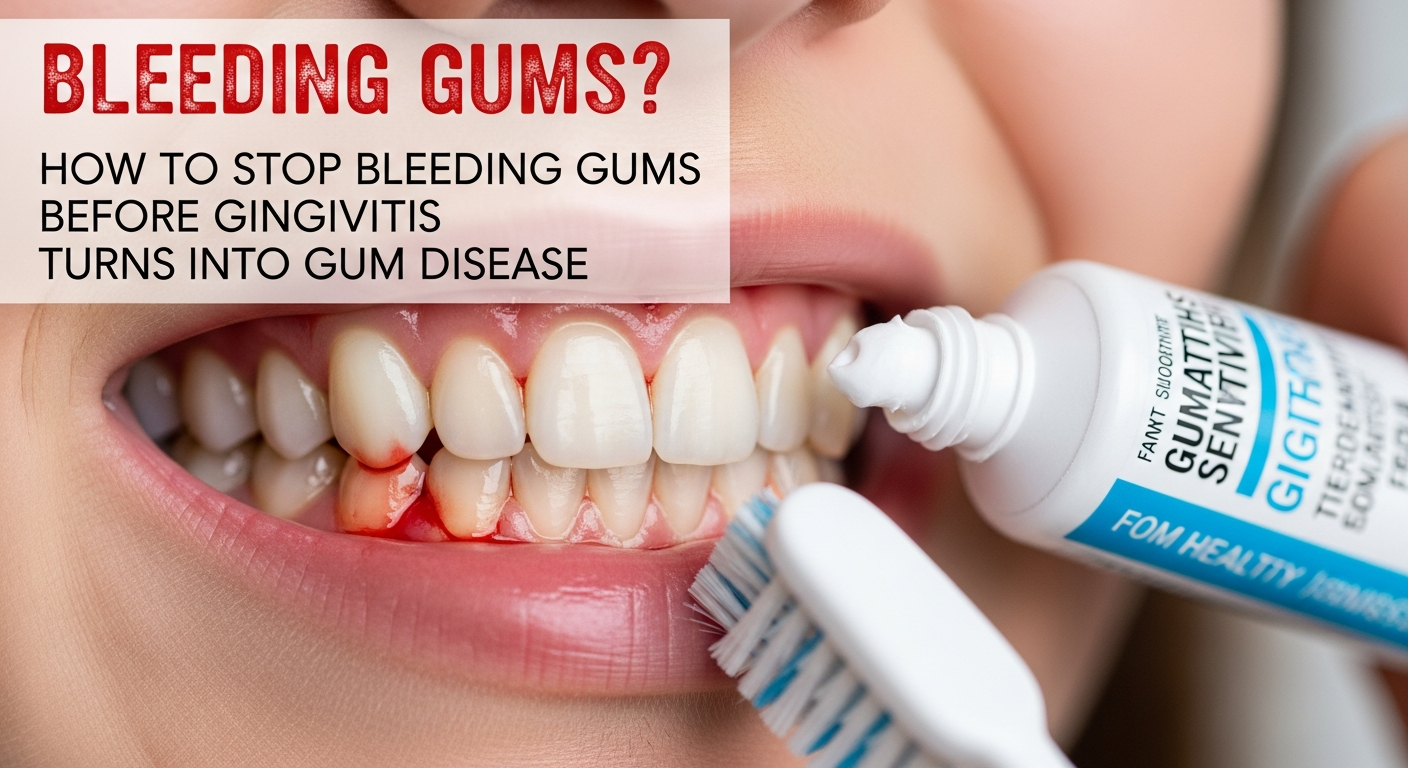
Introduction: Is Bleeding Gums Really Normal?
If you notice blood when brushing or flossing, you’re not alone. Many patients assume bleeding gums are normal—especially if they’re brushing “too hard.”
But bleeding gums are never normal.
In fact, bleeding is one of the earliest warning signs that you need to stop bleeding gums before infection worsens.
In the first 100 words, it’s important to understand this:
Bleeding gums are a sign of gingivitis, an early-stage gum infection that can still be reversed with proper care.
The good news? With the right oral hygiene and a professional Scale and Clean, most cases of gingivitis can be completely reversed—before they progress into advanced gum disease.
What Causes Bleeding Gums?
Bleeding gums happen when harmful bacteria build up along the gumline. This bacterial plaque triggers inflammation, making gums swollen, tender, and prone to bleeding.
Common Causes Include:
- Poor brushing and flossing habits
- Plaque and tartar buildup
- Skipping regular dental cleanings
- Smoking or vaping
- Hormonal changes (pregnancy, puberty)
- Certain medications
- Early gum disease (gingivitis)
According to the Centers for Disease Control and Prevention (CDC), nearly 47% of adults over 30 have some form of periodontal disease, many without realizing it.
Ignoring bleeding gums allows bacteria to move deeper under the gums leading to bone loss and tooth instability.
What Is Gingivitis and Why It Shouldn’t Be Ignored
Gingivitis is the earliest stage of gum disease. At this point:
- Gums appear red and swollen
- Bleeding occurs during brushing or flossing
- There is little to no pain
- No permanent bone damage has occurred yet
This stage is critical because gingivitis is reversible.
Why Patients Ignore Gingivitis
Many patients don’t feel pain, so they delay treatment. Unfortunately, by the time discomfort appears, the disease may already have progressed into periodontitis where damage becomes permanent.
If your goal is to stop bleeding gums, gingivitis is the stage where action matters most.
How to Stop Bleeding Gums Naturally at Home
Early gingivitis can improve with consistent at-home care. Here’s how to reduce inflammation and bleeding:
1. Improve Brushing Technique
- Use a soft-bristled toothbrush
- Brush at a 45-degree angle toward the gumline
- Brush twice daily for 2 minutes
2. Floss Daily (Yes, Even If It Bleeds)
Bleeding during flossing means inflammation not injury. Regular flossing removes plaque between teeth where brushes can’t reach.
3. Use Antibacterial Mouthwash
Choose a mouthwash designed to fight gingivitis. These help reduce bacterial load and swelling.
4. Quit Smoking
Smoking restricts blood flow to gums and slows healing, making it harder to stop bleeding gums naturally.
5. Maintain a Balanced Diet
Vitamin C deficiency is linked to gum inflammation. Leafy greens, citrus fruits, and berries support gum health.
Important: Home care helps early gingivitis, but tartar cannot be removed at home this is where professional care becomes essential.
When Home Care Isn’t Enough: Professional Gum Disease Treatment
If bleeding persists longer than 7–10 days, professional intervention is necessary.
Scale and Clean: The Gold Standard
A professional Scale and Clean removes hardened plaque (tartar) above and below the gumline something toothbrushes cannot do.
Benefits include:
- Immediate reduction in bleeding
- Removal of bacterial toxins
- Healthier gum attachment
- Fresher breath
Many patients notice improvement within days after a professional cleaning.
Scale and Clean vs Deep Cleaning: What’s the Difference?
Patients often ask whether they need a regular cleaning or something more advanced.
| Treatment | Purpose | Best For |
|---|---|---|
| Scale and Clean | Removes plaque and tartar above gumline | Gingivitis |
| Deep Cleaning Dentist (Scaling & Root Planing) | Cleans below gumline | Periodontitis |
A deep cleaning dentist treatment is recommended only when gum pockets deepen and bone loss begins.
According to the American Dental Association (ADA), early professional cleaning can prevent the need for more invasive periodontal treatments.
How Periodontal Care Prevents Advanced Gum Disease
Proper periodontal care goes beyond cleaning—it’s about long-term gum health management.
Periodontal Care Includes:
- Routine gum assessments
- Pocket depth measurements
- Professional cleanings
- Maintenance schedules
Without periodontal care, untreated gingivitis can advance into periodontitis, leading to:
- Receding gums
- Loose teeth
- Chronic infection
- Tooth loss
Signs Gingivitis Is Turning Into Periodontitis
If you experience any of the following, you may need urgent gum disease treatment:
- Persistent bad breath
- Gum recession
- Pus around teeth
- Loose or shifting teeth
- Pain while chewing
At this stage, a swollen gums cure requires professional deep cleaning and ongoing periodontal care.
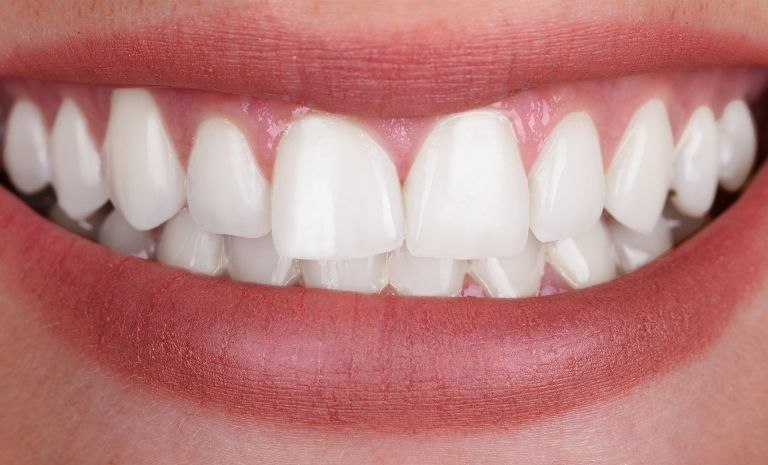
Prevention Tips: How to Keep Gums Healthy Long-Term
Once you stop bleeding gums, prevention becomes the goal.
Best Practices:
- Brush twice daily with fluoride toothpaste
- Floss once daily
- Visit your dentist every 6 months
- Avoid tobacco products
- Manage diabetes and systemic conditions
Fact: Patients who attend regular dental cleanings reduce their risk of severe gum disease by up to 60% (Journal of Periodontology).
Conclusion: Stop Bleeding Gums Before It’s Too Late
Bleeding gums are your body’s early warning sign—not something to ignore.
The key takeaway is simple:
- Gingivitis is reversible
- Professional Scale and Clean treatment works
- Early periodontal care prevents permanent damage
If you act early, you can stop bleeding gums, restore gum health, and avoid advanced gum disease treatment altogether.
Book your professional cleaning today and take the first step toward healthier gums and a healthier smile.
FAQs: Stop Bleeding Gums
How long does it take to stop bleeding gums?
With improved oral hygiene and a professional scale and clean, most patients stop bleeding gums within 1–2 weeks.
Can bleeding gums heal without a dentist?
Mild gingivitis may improve, but tartar requires professional gum disease treatment to fully stop bleeding gums.
Is bleeding gums a sign of serious gum disease?
Bleeding gums indicate gingivitis. Left untreated, it can progress into periodontitis requiring deep cleaning dentist procedures.
What is the best swollen gums cure?
The most effective swollen gums cure is professional cleaning combined with good home care and periodontal care.
Will deep cleaning stop bleeding gums?
Yes. A deep cleaning dentist procedure removes bacteria below the gumline and helps stop bleeding gums caused by advanced disease.
