
Thinking About Veneers for Teeth? Read This Australian Dentist’s Warning First
If you’re thinking about veneers for teeth, you’re not alone. Across Australia, more people are turning to veneers to fix chips, gaps, stains and uneven smiles in just a few visits. But before you say yes, it’s important to hear the full story – including what many patients only discover after treatment. This guide walks you through the real benefits, risks and warnings Australian dentists share with their own patients, so you can make a calm, confident decision. Why Veneers for Teeth Are So Popular in Australia Right Now Veneers are thin shells, usually made from porcelain or composite resin, that bond to the front of your teeth to change their colour, shape or size. They can help if you have: Deep or stubborn stains that whitening can’t fix Small gaps between teeth Mild crowding or misalignment Chipped, worn or uneven teeth In recent years, Australian patients have moved away from the ultra‑white “Hollywood” look and now ask more for natural‑looking, subtle veneers that simply make their own smile look fresher and more balanced. Clinics like Dental Smile in NSW highlight veneers for teeth as a way to create radiant, natural smiles that boost confidence while still looking like you. Are Veneers for Teeth Harmful to Your Teeth? Short answer: veneers themselves are not “toxic” or unsafe, but the process is permanent and involves removing some of your natural tooth enamel. To prepare your teeth, your dentist usually shaves a thin layer of enamel from the front surface so the veneer can sit flush and look natural. That enamel does not grow back. This is why veneers are considered an irreversible treatment. If done well by an experienced cosmetic dentist, veneers can be safe and long‑lasting. However, problems can arise if: Too much enamel is removed The bite is not balanced You grind your teeth and don’t wear a night guard You don’t keep up with oral hygiene and regular check‑ups Why Do Some Dentists Advise Against Veneers? You may have seen articles where dentists warn against veneers or urge caution. There are good reasons for this. Many Australian dentists worry that patients see veneers as a quick cosmetic fix without understanding the long‑term trade‑offs: Irreversible enamel removal – once done, those teeth will always need protection, either with veneers or another type of restoration. Risk of sensitivity – thinner enamel can lead to temperature sensitivity for some people. Chips, cracks and repairs – veneers can chip if you bite hard objects or grind your teeth. Cost of replacement – veneers do not last forever. Replacing them every 10–15 years (porcelain) or 4–8 years (composite) adds up. Some dentists feel that for mild cosmetic issues, less invasive options like whitening, orthodontics or bonding might be safer first steps. Can Veneers Ruin Your Real Teeth? Veneers do not ruin teeth by themselves. But if they’re poorly planned, if too much enamel is removed or if you don’t protect them properly, the underlying teeth can become weaker, more sensitive or more prone to decay around the edges. This is why dentists stress careful planning, realistic expectations and regular check‑ups. Are Veneers for Teeth Worth It? Pros, Cons and Cost in Australia For many Australians, veneers for teeth are worth it – but only after weighing both sides. Key Benefits Fast, dramatic cosmetic change Can correct colour, shape and minor alignment in one treatment plan Porcelain veneers resist stains better than natural enamel A brighter, more even smile can boost day‑to‑day confidence Key Downsides Irreversible removal of enamel Possible sensitivity or bite issues if not planned well Risk of chips, especially if you grind or clench Ongoing cost for maintenance and replacement Veneers Cost in Australia Porcelain veneers in Australia commonly cost around $800 to $3,000 per tooth, depending on the clinic, material and complexity. Composite veneers are usually cheaper but tend to have a shorter lifespan. Because of this, most dentists recommend veneers mainly for: Front “smile zone” teeth Patients who understand the ongoing commitment People whose main goal is a long‑term cosmetic change 💡 Pro Tip: If you’re unsure, start with a detailed cosmetic consult. Ask your dentist to show mock‑ups, digital smile designs or temporary “trial” changes before you commit to full veneers for teeth. How Long Do Veneers for Teeth Last? Porcelain veneers often last 10–15 years with good care. Composite veneers tend to last 4–8 years. Their lifespan depends heavily on: Your bite and whether you grind or clench How well the veneers were designed and bonded Daily habits: chewing ice, pen‑biting or opening packets with teeth Oral hygiene and regular professional cleanings If a veneer chips or debonds, it may be repaired or replaced, depending on the damage and material. Who Is a Good Candidate for Veneers for Teeth? You might be a good candidate if: Your teeth and gums are generally healthy You have cosmetic concerns (color, shape, small gaps, mild misalignment) You don’t have untreated decay or advanced gum disease You understand that the procedure is permanent and will need future maintenance You may need to hold off or consider other options if: You grind your teeth heavily and refuse a night guard You have very large fillings, fractures or weak teeth You prefer a purely reversible option In those cases, your dentist might recommend whitening, orthodontics (such as clear aligners), bonding or crowns instead of, or before, veneers. 🤔 Did You Know? Health services like healthdirect emphasize that veneers are a cosmetic procedure. That means they are usually not covered by Medicare and only partly covered, if at all, by private extras cover. How to Reduce Your Risks Before Getting Veneers for Teeth If you decide to explore veneers, you can greatly reduce risk by taking a few smart steps. 1. Choose an experienced cosmetic dentist Look for a clinic that: Shows before‑and‑after photos Talks about natural results, not just ultra‑white smiles Explains pros, cons and alternatives in detail Practices like Dental Smile in NSW describe veneers for teeth as part of a
Teeth Removal Explained: Proven Tips to Reduce Pain and Heal Faster
Teeth removal is a common dental procedure, yet many people feel anxious about it. The good news? With the right preparation and care, you can reduce pain, heal faster, and avoid complications. This guide explains everything you need to know in simple, clear terms — including expert‑backed steps to make recovery smooth and stress‑free. What Is Teeth Removal and Why Is It Sometimes Necessary? Teeth removal means taking a tooth out of its socket. Dentists recommend this procedure for several reasons: Severe tooth decay Infection Broken or damaged teeth Overcrowding Gums unable to support the tooth Wisdom teeth complications Pro Tip: If you experience persistent swelling, pain, or pressure in your jaw, removing the affected tooth early can prevent bigger issues. For professional dental care options, clinics like Dental Smiles provide safe and gentle teeth removal services: https://dentalsmiles.com.au/services/teeth-removal/ What Happens During Teeth Removal? To make the process easy to understand, here’s a friendly step‑by‑step outline: 1. Numbing the Area Your dentist uses local anesthesia, so you feel pressure but no pain. 2. Loosening the Tooth A special tool gently rocks the tooth back and forth. 3. Extracting the Tooth The dentist lifts the tooth out once it’s loose enough. 4. Cleaning and Closing the Area The socket is cleaned, and stitches are used if needed. Fun Fact: Most routine teeth removal procedures take less than 10 minutes! How Can You Reduce Pain After Teeth Removal? Healing well depends on what you do right after your extraction. Use Cold Packs for Swelling Apply an ice pack for 15 minutes at a time to keep swelling low. Take Medications as Directed Follow your dentist’s instructions for pain relief medicines. Rest and Avoid Strain Most people feel better within 24–48 hours when resting properly. Avoid Rinsing for the First 24 Hours This helps protect the blood clot that forms in the socket. Do Not Use Straws Sucking action can dislodge the clot and cause dry socket a painful condition. How Long Does Healing Take After Teeth Removal? Most people recover in stages: 24 hours: Initial clot forms, swelling begins 2–3 days: Swelling reduces 1 week: Most soreness disappears 2 weeks: Tissue fully heals 3–4 weeks: Bone heals underneath Healing varies depending on age, overall health, and the type of tooth removed. What Should You Eat After Teeth Removal? Soft foods are best for 2–3 days. Try: Mashed potatoes Yogurt Soup Eggs Smoothies (without straws) Oatmeal Avoid: crunchy chips, nuts, spicy foods, hot foods, or alcohol. When Should You Call Your Dentist? Contact your dentist immediately if you notice: Severe pain after day 3 Bad smell or taste Fever Pus in the extraction site Difficulty swallowing or breathing These signs may indicate infection or dry socket and require professional attention. For safe, reliable care, you can always refer to a trusted clinic like Dental Smiles: https://dentalsmiles.com.au/services/teeth-removal/ How to Speed Up Healing After Teeth Removal Here are proven strategies backed by dental experts: Keep your head elevated while sleeping Stay hydrated Avoid touching the extraction site Brush your teeth gently Use warm saltwater rinses after 24 hours Avoid smoking for at least 3 days Follow all care instructions carefully Did You Know? Smoking is one of the biggest reasons healings slows down after teeth removal. Frequently Asked Questions 1. Is teeth removal painful? No. The area is numbed, so you feel pressure, not pain. 2. How long does the procedure take? Simple extractions take 5–10 minutes; complex ones may take longer. 3. When can I go back to work? Most people resume normal activities the next day. 4. How do I prevent dry socket? Do not smoke, avoid straws, and follow your dentist’s care instructions. 5. What if my gums bleed? Light bleeding is normal for a few hours. If it continues, contact your dentist. Final Thoughts Teeth removal may sound intimidating, but with the right guidance and care, the process is safe and the recovery is manageable. By following the proven steps above, you can reduce pain, prevent complications, and heal faster. If you’re looking for trusted dental professionals, learn more here: 👉 https://dentalsmiles.com.au/services/teeth-removal/
Wisdom Teeth Removal Myths vs Facts: An Honest, Fear‑Crushing Guide
If the words wisdom teeth removal makes you nervous, you are not alone. Many people delay treatment for years because of scary stories, outdated advice, or things they read online. In this calm, clear guide, we’ll separate myths from facts, so you know what is real, what is exaggerated, and what to do next for a healthy, pain‑free smile. Why Are There So Many Myths About Wisdom Teeth Removal? Wisdom teeth usually appear between ages 17 and 25. They sit right at the back of your mouth and often do not have enough room to grow in straight. That is why they are famous for causing trouble. Because the procedure is common and often done when people are young, stories spread fast. Older methods were less gentle. Today, modern dentistry, better imaging, and improved anesthesia make the experience far safer and more comfortable than most people imagine. Fun Fact: Not everyone even has wisdom teeth. Some people are born without one or more of them. Myth 1: “Everyone Needs Wisdom Teeth Removal” The myth: If you have wisdom teeth, they must come out. No questions asked. The fact: Not all wisdom teeth need removal. Many people keep at least one wisdom tooth for life without issues. Dentists recommend removal when: The teeth are impacted (stuck under the gum or bone). They are pushing on nearby teeth and causing crowding or pain. Food and bacteria are trapped around them, leading to repeated infection. Therefore, the decision is personal and clinical, not automatic. A proper exam and X‑rays help your dentist decide whether watching, cleaning, or removing is the best path. Myth 2: “Wisdom Teeth Removal Is Always Extremely Painful” The myth: “Everyone says it’s the worst pain ever.” The fact: Modern wisdom teeth removal uses powerful local anesthetic, and many patients also choose sedation. During the procedure, most people feel pressure, not sharp pain. Afterwards, discomfort is usually very manageable with prescribed or over‑the‑counter pain relief, cold packs, and good aftercare. For many, pain from an infected wisdom tooth before surgery is actually worse than the healing discomfort after it. Pro Tip: Follow your dentist’s aftercare advice carefully for the first 48 hours. Rest, soft foods, and no smoking can dramatically reduce pain and swelling. Myth 3: “Recovery Takes Weeks of Doing Nothing” The myth: “You’ll be in bed and out of action for weeks.” The fact: Most people are back to light work or study within a few days, especially if only one or two wisdom teeth are removed. Swelling tends to peak around day two or three, then improves. Of course, complex extractions and multiple teeth can mean a longer recovery, but that still usually means days, not many weeks, when you follow instructions, keep the area clean, and attend review visits if needed. Myth 4: “You’re Too Old for Wisdom Teeth Removal After Your 20s” The myth: “If you don’t remove them as a teenager, it’s too late.” The fact: You can have wisdom teeth removed at many ages. It can be easier when you are younger because the roots are not fully formed and the bone is softer. However, adults in their 30s, 40s and even later still have safe, successful wisdom teeth surgery. What matters most is your individual risk, not your birthday. Your dentist looks at: Position of the tooth Condition of the roots Impact on nearby teeth, nerves, and sinuses If there is active infection, damage, or persistent pain, age alone is not a reason to avoid treatment. Myth 5: “Anesthesia and Sedation for Wisdom Teeth Removal Aren’t Safe” The myth: “Going to sleep or having sedation is dangerous.” The fact: When sedation or general anesthesia is provided by qualified professionals in a proper clinical setting, it is considered very safe for suitable patients. Your dentist or oral surgeon will: Review your medical history and medications. Explain the type of anesthesia they recommend. Monitor you throughout the procedure. Serious complications are rare. Most patients simply feel drowsy and relaxed, and they remember little or nothing of the procedure itself. Quick Answers to Big Wisdom Teeth Removal Questions Do you always need wisdom teeth removed? No. Wisdom teeth removal is recommended when the teeth are causing, or are very likely to cause, problems such as pain, infection, decay, or damage to nearby teeth. Healthy wisdom teeth that are easy to clean may be left in place and monitored. Is wisdom teeth removal considered major surgery? It is a common and well‑practiced procedure. Some cases are simple and feel like a normal extraction. Others, especially impacted teeth, are more complex and are treated as minor oral surgery. Your dentist will explain which type your case falls into. How long does recovery from wisdom teeth removal take? Most patients feel much better within 3–7 days, with full healing of the bone taking longer in the background. You can usually return to normal routine within a few days, as long as you avoid heavy exercise and follow aftercare instructions. How a Professional Wisdom Teeth Removal Clinic Helps Choosing the right clinic makes a huge difference to your experience. A team that focuses on gentle techniques, clear communication, and modern pain control can turn a frightening idea into a calm, planned visit. At Dental Smiles, wisdom teeth removal is designed to be: Thoroughly planned using X‑rays and careful assessment Focused on fast, comfortable recovery, with clear home‑care guidance If your wisdom teeth have been aching, or you are unsure whether you really need them removed, booking a professional assessment is the safest way to move from worry to clarity. You can learn more about their approach to safe, gentle extractions here: Safe Wisdom Teeth Removal at Dental Smiles FAQ: Wisdom Teeth Removal Myths vs Facts 1. Can I avoid wisdom teeth removal if I have no pain? Sometimes, yes. If your wisdom teeth are fully erupted, easy to clean, and not damaging nearby teeth, your dentist may simply monitor them with regular check‑ups and X‑rays. However, no pain
Why Endodontic Treatment Matters: Surprising Facts, Deep Relief, and Fast Recovery Tips
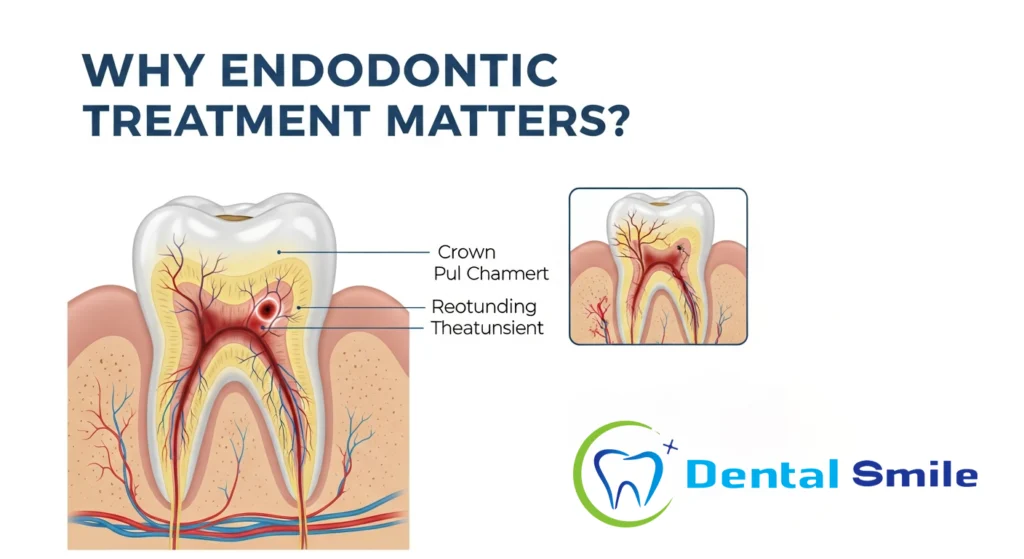
Introduction: Why Endodontic Treatment Matters More Than You Think Endodontic treatment is one of the most important procedures for saving natural teeth. Many people fear it, yet it brings deep relief, fast comfort, and long‑lasting dental health. This simple, effective procedure removes infection, stops pain, and protects your smile for years. This guide breaks down surprising facts, powerful benefits, and the quickest recovery tips so you know exactly what to expect. The Hidden Power of Endodontic Treatment: Why Your Natural Tooth Is Worth Saving Keeping your natural tooth should always be the goal. Your real tooth feels natural, functions better, and maintains jaw strength. Endodontic treatment protects the tooth from further harm. Surprising Fact: A natural tooth restored with root canal therapy often lasts a lifetime with proper care. When infection reaches the inner part of a tooth, pain becomes sharp and constant. The infection spreads fast and may damage the jaw. Endodontic treatment removes the infected tissue, disinfects the area, and seals the canals. This powerful process stops the spread and brings instant relief. Clinics like Dental Smiles highlight this procedure as a simple and predictable way to preserve teeth rather than remove them. Saving your natural tooth keeps your bite stable and avoids future costly treatments. What Exactly Is Endodontic Treatment? Endodontic treatment is a dental procedure that removes infected pulp from inside the tooth, cleans the canals, and seals them to prevent reinfection. It is commonly known as a root canal. This procedure protects the natural tooth, restores comfort, and prevents extraction. Signs You May Need Endodontic Treatment You may need endodontic treatment if you have: Sudden, sharp pain Pressure sensitivity Facial swelling Darkened tooth Gum tenderness Lingering hot or cold sensitivity Pro Tip: If the pain wakes you at night, an infection is likely spreading inside the tooth. Quick treatment relieves that deep ache almost immediately. Why Endodontic Treatment Offers Deep Relief One of the biggest fears people have is pain. But here’s the surprising truth: Endodontic Treatment Removes Pain, It Doesn’t Cause It Modern dental technology makes the procedure easy and comfortable. Tools, imaging, and gentle techniques ensure a smooth experience. Did You Know? Most patients compare the procedure to a simple filling. When infection is gone, the deep, throbbing ache often disappears the same day. Many patients report relief they never thought possible. The Powerful Benefits You Should Know Endodontic treatment delivers several major advantages: 1. Saves Your Natural Tooth This is the biggest benefit. Once saved, your tooth continues to function like normal. 2. Stops Infection Fast Without treatment, infection spreads to the jaw and other teeth. 3. Prevents Tooth Loss Extraction leads to shifting teeth, bone loss, and costly implants. 4. Restores Normal Chewing You return to comfortable eating after healing. 5. Protects Your Smile for the Long Term A treated tooth often lasts decades sometimes a lifetime. How Long Does Endodontic Treatment Take? Most endodontic treatments take 30–60 minutes and are completed in one visit. Complex teeth may require a second session, but most people finish the same day. Fast Recovery Tips for a Smooth, Comfortable Healing Experience Healing from endodontic treatment is usually simple. Most people feel back to normal within 24–48 hours. Here are powerful recovery tips for a quick return to comfort: Use Mild Pain Relief if Needed Over‑the‑counter pain relievers work well for mild discomfort after treatment. Avoid Hard Foods for 24 Hours Chewing on the treated tooth too soon may cause soreness. Keep the Area Clean Brush gently around the tooth. Good hygiene prevents irritation. Return for Your Permanent Crown A crown protects your tooth from fractures and keeps it stable. (This step is often done at clinics like Dental Smiles to ensure long-term success.) Call Your Dentist If Pain Increases Severe swelling or new pain may signal reinfection. Early action prevents complications. Why Endodontic Treatment Is Better Than Extraction Endodontic treatment is better than extraction because it preserves your natural tooth, maintains jaw strength, and avoids the cost of tooth replacements. Extraction leads to bone loss, shifting teeth, and the need for implants. Saving your natural tooth is almost always the best long‑term choice. Fun Fact Box: Did You Know? Over 15 million root canal treatments are performed every year. The success rate is over 95%. Most patients experience immediate relief after the procedure. Gentle, Modern Treatment Makes All the Difference Today’s dental clinics use advanced tools that create a smooth, stress‑free experience. Practices like Dental Smiles focus on comfort, precision, and long‑lasting results. Their gentle approach ensures your natural tooth stays strong and healthy for years. If you suspect infection or feel deep tooth pain, getting help early prevents complications. Quick action saves your tooth and offers relief that feels almost instant. Frequently Asked Questions (FAQs) 1. Is endodontic treatment painful? No. The treatment removes pain caused by infection. Local anesthesia keeps you comfortable. 2. How long does healing take? Most people feel normal within one to two days. 3. Do I need a crown after treatment? Yes, especially for back teeth. A crown prevents cracks and restores strength. 4. Can an infected tooth heal on its own? No. Once infection reaches the pulp, only endodontic treatment can remove it. 5. How long does an endodontically treated tooth last? Many last a lifetime with proper care and a protective crown.
The Ultimate Guide to Teeth Whitening: Proven, Brilliant Ways to Transform Your Smile
Introduction: A Simple Path to a Brighter Smile A bright smile makes a strong first impression. Today, teeth whitening is one of the most popular cosmetic treatments because it’s easy, safe, and boosts confidence fast. Whether you plan to whiten at home or choose a dental‑grade option, understanding your choices helps you achieve the best results. This guide explains everything clearly so you can enjoy a whiter smile without confusion or risk. Proven, Brilliant Ways to Transform Your Smile with Teeth Whitening Powerful, Easy Teeth Whitening Methods Backed by Experts Modern whitening has advanced fast. In Australia, dentists highlight it as one of the most popular cosmetic treatments due to its simplicity and strong results. Today’s top trends include: Fast, Professional Whitening Options That Deliver Stunning Results Dentists now use advanced whitening systems that offer brighter results with less sensitivity than traditional methods. Recent improvements in whitening technology focus on stronger outcomes and greater comfort. Professional whitening works well for people who want dramatic changes in a short time. Treatments often take about an hour and can lighten your teeth several shades during a single visit. Safe, Effective At‑Home Whitening Kits for Gentle Brightening Expert‑selected whitening gels, pens, and strips remain highly popular in 2026. Many Australians choose these products because they’re simple, affordable, and effective. At‑home kits work best for mild to moderate discoloration. They’re ideal for ongoing maintenance after a professional whitening session. Pro Tip: For the safest at‑home results, follow the manufacturer’s instructions closely and avoid overuse. Bright, Confident Smile Boosters with Modern Whitening Technology New whitening methods in 2026 are more advanced than ever. Innovations include: Ultra‑thin whitening films LED‑accelerated whitening Improved peroxide formulas These technologies deliver faster, more noticeable transformations while staying gentle on enamel. Cosmetic dentistry trends highlight advanced whitening as a major driver of modern smile makeovers. Fun Fact: LED whitening lights help break down stains faster but do not whiten teeth alone. Simple Answers to Common Teeth Whitening Questions (AEO‑Optimized) What Is the Safest Way to Whiten Teeth? The safest method is professional in‑office whitening, as dentists use controlled ingredients and monitor your treatment. At‑home kits approved by dental experts are also safe when used correctly. How Long Do Teeth Whitening Results Last? Most results last 6 to 12 months, depending on your diet, oral hygiene, and lifestyle habits like coffee or tea intake. Does Teeth Whitening Cause Sensitivity? Some people experience mild sensitivity. New whitening formulas focus on reducing sensitivity while boosting results, making treatments more comfortable. Can Whitening Remove All Stains? Whitening works well for surface stains from coffee, tea, or smoking. Deep internal stains may need veneers or bonding. Transform Your Smile with the Right Whitening Choice (Expert‑Backed Tips) Selecting the right method depends on your goal: Choose Professional Whitening If You Want Quick, Dramatic Results Professional whitening is ideal when: You have dark or stubborn stains You want fast, predictable outcomes You prefer treatment under expert care Many clinics in Australia recommend in‑office whitening as a safe and powerful option for a radiant smile. Choose At‑Home Whitening for Steady, Affordable Brightening At‑home kits are great if: Your stains are mild You’re on a budget You want to maintain results after a clinic visit Top-rated gels and strips of 2026 remain effective choices for daily use. Why Professional Whitening at a Trusted Clinic Makes a Difference Professional whitening uses stronger, more precise formulas than store‑bought kits. Dentists customise the strength and duration based on your needs, ensuring brighter results without harming tooth enamel. If you want a safe, expert‑guided whitening experience, explore professional options like those offered at Dental Smiles, as they specialise in gentle and effective whitening services tailored to your smile. Visit: Teeth Whitening: Bright, Confident Smiles Made Easy FAQ Section (Latest Trending Questions) 1. Is teeth whitening permanent? No. Whitening fades over time due to food and drink staining. Most people enjoy up to a year of brightness. 2. Are LED whitening kits worth it? Yes, but results vary. LED lights enhance whitening gels they don’t whiten teeth alone. 3. Can sensitive teeth be whitened? Yes. New formulas focus on minimal sensitivity, a major advancement in 2024–2026 whitening trends. 4. Do natural remedies work? Home remedies like baking soda have mild effects but cannot match professional or approved at‑home products. Conclusion: A Brighter Smile Is Easier Than Ever Teeth whitening has come a long way. With advanced tools, better formulas, and expert guidance, achieving a stunning smile is simple. Choose what fits your goals professional care for instant results or at‑home kits for steady progress. Start your journey today and enjoy a brighter, more confident smile.
From Pain to Relief: How Teeth Filling Works and What Really Happens at the Dentist
Introduction: The Fast, Calm Path to a Pain‑Free Teeth Filling A teeth filling may sound scary, but it’s one of the simplest, safest, and quickest dental treatments. If you’re dealing with tooth pain, sensitivity, or a small cavity, the right filling can restore your smile in minutes. At Dental Smile, patients often feel surprised by how effortless and comfortable the process actually is. This guide walks you through how teeth filling works, what happens during the appointment, and how dentists remove pain from the entire experience. Understanding Teeth Filling: The Simple Fix That Saves Your Smile A filling is a small, durable restoration that repairs decayed or damaged tooth structure. It protects the tooth from further breakdown and brings back its function—so you can chew, smile, and speak with ease. Did You Know? Cavities are one of the most common dental issues globally, but early treatment keeps them from turning into big problems. What Really Happens During a Teeth Filling? (Step‑by‑Step Breakdown) 1. A Calm Examination That Detects the Issue Fast Your dentist begins with a quick visual check and sometimes an X‑ray. The goal is simple: find the cavity and understand how deep it is. 2. Local Anesthesia for Total Comfort A small numbing gel is applied first. Then a gentle injection ensures the area becomes fully numb. Result: No pain. Just pressure and vibrations. 3. Removing the Decay Safely and Gently Your dentist uses a small, precise tool to clean out the decayed area. This step lasts only a few minutes and prevents the cavity from spreading. 4. Cleaning and Preparing the Tooth The cleaned space is shaped so the filling can bond securely. This helps your filling last longer and stay strong. 5. Placing the Filling Material Depending on the type of filling (composite, amalgam, glass ionomer), the dentist carefully layers the material into the cavity. 6. Hardening and Polishing A blue curing light hardens the filling instantly. Then the dentist smooths and shapes it so it feels natural when you bite. Does a Teeth Filling Hurt? No. Modern teeth filling treatment is virtually pain‑free because dentists numb the area completely before starting. Most patients only feel mild pressure or vibration—not pain. At Dental Smile, advanced comfort techniques make the entire process surprisingly gentle. How Long Does a Teeth Filling Take? Most fillings take 15–30 minutes, depending on the size and location of the cavity. How to Know If You Need a Teeth Filling Watch for these early warning signs: Sudden tooth sensitivity Mild to sharp pain while chewing Dark spots on the tooth Food getting stuck in one area A rough or chipped surface Pro Tip: Early detection helps you avoid root canals or crowns later. Types of Teeth Fillings and Which One Is Best Your dentist chooses the right type based on your tooth, budget, and cosmetic goals. Composite Fillings (Most Popular) Tooth‑colored Strong and natural‑looking Ideal for front and back teeth Amalgam Fillings Very durable Good for molars Silver appearance Glass Ionomer Fillings Releases fluoride Ideal for children or non‑chewing surfaces Ceramic Fillings Long‑lasting Highly aesthetic Matches natural enamel At Dental Smile, composite fillings are the most common choice because they blend beautifully with natural teeth. How Long Do Teeth Fillings Last? Fillings typically last 5–15 years, depending on the type of material and your oral hygiene habits. What to Expect After a Teeth Filling You can return to work, school, or daily routines immediately. You may notice: Numbness for 1–3 hours Mild sensitivity (normal for 24–48 hours) A slightly different bite (dentist will adjust if needed) If pain lasts longer than two days, your dentist can easily fix it. How Dental Smile Makes Your Teeth Filling Experience Stress‑Free Instead of a cold, clinical experience, Dental Smile focuses on: Gentle numbing techniques Clear communication Modern equipment that reduces noise and vibration Tooth‑colored, natural fillings A calm, friendly environment To learn more or book an appointment, visit the official service page: https://dentalsmiles.com.au/services/teeth-filling/ FAQ: Teeth Filling Questions People Ask Most 1. How long does sensitivity last after a filling? Usually 1–2 days. If it continues longer, your dentist may adjust the bite. 2. Can a filling fall out? Yes, but it’s rare. Biting hard foods or grinding your teeth can loosen an old filling. 3. Is a filling better than a crown? A filling works for small to medium cavities. A crown is needed when damage is extensive. 4. Can I eat immediately after a filling? Yes, if it’s a composite filling. Avoid very hot or sticky foods for a few hours. 5. Do fillings cause pain later? They shouldn’t. If discomfort continues, your dentist can make a quick adjustment.
First Visit to the Dentist: Simple Step‑by‑Step Guide
Visiting the dentist for the first time can feel scary. At Dental Smile, we keep your first visit calm, simple, and kind. You always know what will happen during your first visit to the dentist: what actually happens step by step. Why your first visit to the dentist matters Your first visit to the dentist sets the tone for future check‑ups. A gentle start makes it easier to return and stay on top of your oral health. At Dental Smile, we focus on clear words, pain‑free care, and fair fees for families. When you understand your first visit to the dentist: what actually happens step by step, booking that appointment feels much easier. Step 1: Booking your first visit to the dentist Your first visit starts before you walk in. You can book online at dentalsmiles.com.au or call our friendly team. We ask simple questions about your dental history and main concern. This helps us prepare so your first visit to the dentist runs smoothly and on time. Step 2: Warm welcome and quick forms When you arrive, our reception team greets you and confirms your details. You then fill out a short medical and dental history form. We ask about medications, allergies, and past dental experiences. That way, we can tailor your first visit to the dentist: what actually happens step by step to your needs and safety. Step 3: Relaxed chat with your dentist Next, you meet your dentist in a relaxed setting. Before we look at your teeth, we talk about your goals, fears, and any pain. You can ask anything, in your own words. This early chat makes the rest of your first visit to the dentist feel much less stressful. Step 4: First visit to the dentist examination After the chat, your dentist checks your teeth, gums, bite, and any old dental work. We look for decay, gum disease, cracks, worn fillings, and signs of grinding. If needed, we may suggest low‑dose digital X‑rays to see hidden areas. We only do this when it is clinically needed and always explain why during your first visit to the dentist: what actually happens step by step. Step 5: Gentle clean at your first visit If there are no urgent problems, we usually perform a professional clean at the same visit. We remove soft plaque, hard tartar, and surface stains that brushing alone misses. Our tools and methods are designed to feel as gentle as possible. After this part of your first visit to the dentist, your mouth feels smoother, fresher, and easier to keep clean at home. Step 6: Clear explanation of your results Once the exam and clean are complete, we sit you up and talk through the findings. We use simple language and, if useful, mirrors or photos. You learn what looks healthy, what needs watching, and what may require treatment. This step of your first visit to the dentist: what actually happens step by step turns confusing “dental talk” into clear, calm guidance. Step 7: Personalised treatment plan and options If you need treatment, such as teeth filling, teeth removal, root canal therapy, dentures, veneers, or preventive care, we map out a plan. We explain each option, how many visits it may take, what results to expect, and how we keep you comfortable. You choose when to start, so your first visit to the dentist always respects your budget and your pace. Step 8: Up‑front fees and payment choices Cost is a big worry for many patients. That is why we talk about fees before treatment, not after. During your first visit to the dentist: what actually happens step by step, our team can check health fund rebates and discuss payment options. Our goal is to keep quality dentistry as affordable as possible for local families. Step 9: Home‑care tips after your first visit Before you leave, we give you tailored home‑care advice. This can include brushing and flossing tips, product suggestions, and diet guidance to protect your teeth and gums. If you had a deeper clean or treatment, we explain what to expect over the next few days. This part of your first visit to the dentist helps you avoid future problems and stay confident between appointments. Step 10: Booking your next check‑up Preventive dentistry is the best way to avoid emergency visits and major work later on. Most people should see the dentist every six to twelve months. At the end of your first visit to the dentist: what actually happens step by step, we offer to book your next check‑up straight away. That simple step keeps you on track and makes caring for your smile feel effortless. Why choose Dental Smile for your first visit Dental Smile is built around gentle, affordable, family‑friendly dentistry. Our clinics in Charmhaven and Chester Hill welcome anxious patients, children, seniors, and everyone in between. From preventive dentistry to teeth fillings, wisdom teeth removal, dentures, veneers, and emergency care, we can look after your whole family in one trusted place. Your first visit to the dentist with us is the start of a long‑term partnership for a healthier, brighter smile. FAQs about your first visit to the dentist 1. How long does a first visit to the dentist take? Most first visits take about 30 to 60 minutes, depending on whether you need X‑rays and a full clean. 2. I am scared of the dentist. Can you help? Yes. We see many nervous patients and use a calm, gentle approach. We move at your pace and explain each step of your first visit to the dentist before we do anything. 3. What should I bring to my first dental appointment? Bring your Medicare or health fund card, a list of medications, and any old dental records or X‑rays if you have them. 4. Will I get a clean at my first visit to the dentist? Often, yes. If there is no urgent problem, we include a professional clean in your first visit to the dentist: what
Veneers for Teeth: The Complete Guide to Transforming Your Smile
If you have ever caught yourself hiding your smile in photos or covering your mouth when you laugh, you likely understand the impact dental aesthetics can have on confidence. Dental veneers have long been the gold standard for Hollywood smiles. However, the “chiclet-white,” overly perfect look of the past is fading. In 2025, the trend has shifted toward “undetectable dentistry” veneers that mimic the natural translucency, texture, and slight imperfections of real teeth. Whether you are looking to fix a chipped tooth, close a gap, or brighten a stained smile, this guide covers everything you need to know about veneers, from cost to procedure. What Are Dental Veneers? Dental veneers are ultra-thin, custom-made shells designed to cover the front surface of teeth to improve their appearance. Made from tooth-colored materials like porcelain or composite resin, they are bonded to the front of the teeth to change their color, shape, size, or length. Think of them as “false fingernails” for your teeth but significantly more durable and permanent. Unlike a crown, which covers the entire tooth, a veneer only covers the visible front surface. Types of Veneers: Porcelain vs. Composite The two main contenders in the veneer world are Porcelain and Composite Resin. Choosing between them depends on your budget, timeline, and aesthetic goals. 1. Porcelain Veneers These are the premium option. A ceramist in a dental lab hand-crafts them to match the light-reflecting properties of natural teeth. They are highly resistant to stains (coffee and wine lovers, rejoice) and incredibly durable. 2. Composite Veneers Composite veneers are often applied in a single visit. The dentist applies a tooth-colored resin directly to your tooth and sculpts it by hand. While more affordable, they are generally less durable than porcelain and more prone to staining over time. Porcelain vs. Composite: A Quick Comparison Feature Porcelain Veneers Composite Veneers Material Custom-crafted Ceramic Engineered Resin Lifespan 10–15+ years 4–8 years Cost High ($900 – $2,500/tooth) Moderate ($250 – $1,500/tooth) Stain Resistance Excellent Moderate Procedure Time 2–3 visits (weeks) 1 visit (same day) Reversibility Irreversible (enamel removed) Reversible (usually) The Veneer Procedure: Step-by-Step Understanding the process can alleviate anxiety. Here is what typically happens during the journey to a new smile. Step 1: Consultation and Digital Smile Design (DSD) Modern dentistry relies heavily on technology. Your dentist will take X-rays and photos. In 2025, many top-tier cosmetic dentists use Digital Smile Design (DSD). This allows you to see a digital simulation of your new smile before a single tool touches your teeth. Step 2: Preparation To ensure the veneer doesn’t look bulky, the dentist usually needs to remove a small amount of enamel (about 0.5mm) from the front and sides of the teeth. Note: Minimal-prep and no-prep veneers are becoming popular, but they aren’t suitable for everyone. Step 3: Impression and Temporaries Once the teeth are prepped, a mold (impression) is taken and sent to a lab. You will likely wear temporary veneers for 1-2 weeks while your permanent ones are being crafted. Step 4: Bonding You return to the clinic once the porcelain veneers are ready. The dentist checks the fit and color. If everything looks perfect, your teeth are cleaned, and the veneers are permanently cemented into place using a special light beam to harden the adhesive. Pros and Cons of Veneers The Benefits Natural Appearance: High-quality porcelain is indistinguishable from natural enamel. Stain Resistance: You can enjoy your morning coffee with less fear of yellowing (specifically with porcelain). Instant Orthodontics: They can fix minor misalignments, gaps, and cracks without braces. The Drawbacks Irreversibility: Because enamel is removed, you will likely always need veneers or crowns on those teeth. Sensitivity: You may experience sensitivity to hot and cold foods for a few days after the procedure. Cost: A full smile makeover is a significant financial investment. Frequently Asked Questions This section is designed to answer specific voice-search queries directly. How long do veneers last? Porcelain veneers typically last 10 to 15 years, and often longer with excellent oral hygiene. Composite veneers generally last between 4 to 8 years before they may need to be repaired or replaced due to chipping or staining. Do veneers ruin your teeth? No, veneers do not ruin your teeth provided they are done by a qualified professional. However, the process often requires removing a thin layer of natural enamel to fit the veneer. This step is permanent, meaning the tooth will always require a restoration to be protected. Can you whiten veneers? No, you cannot whiten veneers. If your veneers become stained (which is rare for porcelain but possible for composite) or if you want a whiter shade, they must be replaced. It is recommended to whiten your natural teeth before getting veneers to match the new lighter shade. What is the “natural look” trend in 2026? The current trend is “perfectly imperfect.” Instead of opaque, blinding white blocks, patients are requesting veneers with slight translucency at the edges and natural surface textures that mimic real teeth. This ensures the smile complements the face rather than looking artificial. Conclusion Veneers are a transformative solution for those looking to enhance their smile, offering a balance of durability and aesthetics. Whether you opt for the longevity of porcelain or the affordability of composite, the key to success lies in choosing a skilled cosmetic dentist who understands the balance between art and biology. If you are considering veneers, the best first step is a consultation.
Discover the Life-Changing Magic of Porcelain Veneers
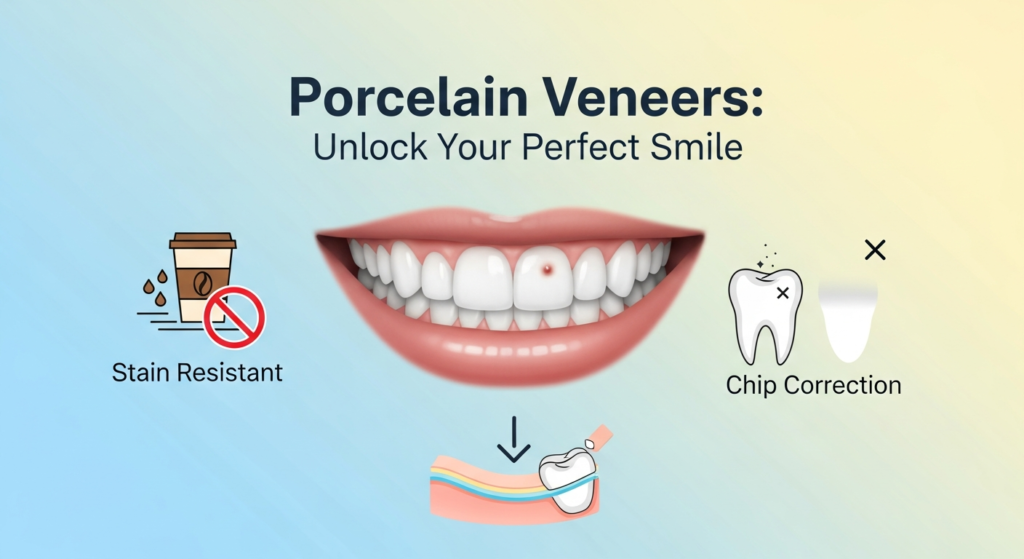
Have you ever looked in the mirror and wished for a more vibrant, uniform smile? At Dental Smiles, we believe everyone deserves to feel radiant and truly confident. Many people struggle with stubborn stains or chipped edges that traditional whitening simply cannot fix. However, porcelain veneers offer a breathtaking solution that blends artistry with modern dental science. This premium treatment does more than just cover flaws; it creates a natural, durable transformation that empowers you to smile freely once again. Because your smile is often the first thing people notice, investing in high-quality cosmetic dentistry is a powerful way to enhance your overall appearance. Whether you are preparing for a special event or simply want to feel better in your daily life, this procedure delivers immediate and stunning results. Why Choose Porcelain Veneers for Your Smile? When it comes to aesthetic excellence, porcelain veneers are undoubtedly the gold standard in the dental industry. These ultra-thin, medical-grade ceramic shells are custom-crafted to fit precisely over the front surface of your teeth. Because they mimic the light-reflecting properties of natural enamel, they look incredibly realistic and vibrant. Furthermore, porcelain is highly resistant to stains from coffee, tea, or red wine, ensuring your new glow lasts for many years. Whether you want to close small gaps or correct minor misalignments, this procedure provides a versatile answer for various dental concerns. Unlike composite alternatives, porcelain offers superior longevity and exceptional strength against daily wear. Most patients enjoy their stunning results for over a decade with proper oral care. Therefore, investing in your appearance with this high-quality material is a wise choice for long-term confidence and oral health. By choosing a durable material, you reduce the need for frequent repairs or replacements in the future. The Seamless Path to Your Perfect Smile Starting your journey toward a brand-new look is simple and exciting for every patient. First, our expert team conducts a thorough consultation to understand your unique goals and dental history. We use advanced digital imaging to show you the potential outcome, ensuring you are an active part of the design process. Next, we prepare the teeth by removing a tiny, microscopic layer of enamel. This step is crucial because it allows the porcelain veneers to bond securely without looking bulky or unnatural. While a local, high-end lab crafts your bespoke shells, we may provide temporary covers to protect your teeth. Finally, we bond your permanent veneers with professional-grade cement that is designed to last. We check your bite and polish the surfaces until they are absolutely perfect. You walk out with an instantly brighter, more symmetrical smile that feels like your own. This efficient process typically requires only a few visits, making it a highly convenient option for busy lifestyles and professionals. Essential Care for Your New Transformation Maintaining your porcelain veneers is remarkably easy and straightforward for everyone. You should treat them just like your natural teeth by brushing and flossing daily with a non-abrasive toothpaste. Although they are incredibly strong, you must avoid using your teeth as tools to open packages or bite hard objects. Regular check-ups at Dental Smiles will keep your oral health in peak condition and ensure the longevity of your restoration. Additionally, wearing a custom-fitted mouthguard during sports protects your investment from accidental chips or impacts. By following these simple habits, you ensure your smile remains dazzling and healthy for the long haul. Most people find that their routine doesn’t change much, but their level of confidence increases significantly. Proper maintenance is the secret to keeping that “just-finished” look for ten to fifteen years. Comparing Porcelain Veneers and Other Options When searching for “smile makeovers near me,” you might wonder if other treatments are better suited for your needs. While professional teeth whitening is effective for surface stains, it cannot change the shape or alignment of your teeth. Dental crowns are another option, but they require removing more of the natural tooth structure compared to veneers. Porcelain veneers strike the perfect balance between conservative treatment and dramatic aesthetic improvement. They are also superior to composite bonding in terms of texture and light reflection. Composite resin can sometimes look dull over time, whereas porcelain retains its luster and “life-like” quality. If you have “permanent tooth discolouration” or “crooked teeth without braces,” this is often the recommended path. Our clinical team evaluates your bite and enamel thickness to ensure you are a perfect candidate for this life-enhancing procedure. The Financial Investment in Your Confidence Understanding the “cost of porcelain veneers in Australia” is a common concern for many patients. While the initial investment is higher than composite bonding, the value lies in the durability and aesthetic result. Because they last twice as long as other materials, they often prove more cost-effective over a twenty-year period. We offer transparent pricing and flexible payment plans to help you achieve the look you have always wanted. Many patients find that the boost in self-esteem is priceless. Feeling comfortable in photos, at work, or in social settings changes how you interact with the world. We believe that financial considerations should not be a barrier to a healthy, beautiful smile. During your initial visit, we provide a detailed breakdown of the fees so there are no surprises during your treatment journey. Achieving a Natural Look with Porcelain Veneers One of the biggest fears patients have is that their teeth will look “too white” or “fake.” Modern dental technology allows us to select shades that match your skin tone and the whites of your eyes. We carefully shape each veneer to complement your facial features and lip line. This bespoke approach ensures that your porcelain veneers look like a better version of your natural teeth. The goal of contemporary cosmetic dentistry is “invisible” work. When people see you, they should notice you look refreshed and happy, without realizing you’ve had dental work done. This subtlety is what separates average results from the elite care provided at Dental Smiles. We take pride in the “before
Local Dental Clinic Chester Hill | Top-Rated Family Dentistry
Your Trusted Local Dental Clinic Chester Hill: Gentle Care You Can Rely On Finding a professional local dental clinic Chester Hill residents can trust is the first step toward a lifetime of healthy smiles. At Dental Smiles, we understand that a visit to the dentist should be stress-free, efficient, and affordable. Our mission is to provide premium oral health services that cater to the unique needs of our diverse community. Whether you require a routine check-up or a complex restorative procedure, our experienced team is here to help you achieve your goals with comfort and precision. Choosing the right dental partner is a significant decision for your family. We focus on building a foundation of trust. Consequently, we see our patients as neighbors, not just appointments. Our clinic combines years of clinical expertise with a gentle touch. This ensures that every visit to our local dental clinic Chester Hill is a positive experience. Why Choose Our Local Dental Clinic Chester Hill? Selecting a local dental clinic Chester Hill offers more than just proximity; it provides a personalized health partnership. Because we are part of the local community, we prioritize long-term relationships. Our facility utilizes modern technology, such as digital X-rays and intraoral cameras, to ensure every diagnosis is accurate. Furthermore, we maintain a warm, welcoming atmosphere. This helps even the most anxious patients feel at ease from the moment they walk through our doors. Convenience is another reason why locals choose us. We are located centrally, making it easy to drop in after work or school. Moreover, our team stays updated on the latest industry advancements. We believe that modern equipment leads to better outcomes. Therefore, we invest in the best tools to serve you. When you choose our local dental clinic Chester Hill, you are choosing a standard of excellence that rivals city practices. Comprehensive Services for Every Family Member Our local dental clinic Chester Hill offers a full spectrum of treatments designed for all ages. We specialize in various areas to ensure your mouth stays healthy. These include: Preventive Care: Professional scale and cleans to stop plaque. Family Dentistry: Gentle check-ups for children to build habits. Cosmetic Enhancements: Professional teeth whitening and veneers for a bright look. Restorative Solutions: Durable white fillings, crowns, and comfortable dentures. Emergency Support: Rapid relief for toothaches or accidents. Maintaining your oral hygiene is vital for your overall well-being. By visiting a local dental clinic Chester Hill regularly, you can prevent minor issues. We focus on education throughout your journey. For instance, we show you the best brushing techniques. This proactive approach ensures your natural smile stays strong. We want you to feel confident in your smile every single day. Expert Care at Our Local Dental Clinic Chester Hill The clinical team at our local dental clinic Chester Hill is highly trained. We understand that dental technology changes fast. Thus, we participate in ongoing training to master new techniques. This dedication allows us to offer minimally invasive treatments. We believe in preserving your natural teeth whenever possible. If a tooth requires a filling, we use high-quality composite resins. These match the color of your teeth perfectly. Our restorative work is designed to last. We use materials that are both strong and aesthetic. Additionally, we take the time to explain every procedure. We want you to be an active participant in your dental health. By providing clear options, we help you make informed decisions. This transparency is why we are the preferred local dental clinic Chester Hill for so many families. Modern Technology and Patient Comfort Step into our local dental clinic Chester Hill and you will see the difference. We use digital imaging which reduces radiation exposure. This is safer for you and your children. Also, our chairs are designed for maximum comfort. We know that some people feel nervous about dental tools. Therefore, we use quiet handpieces and gentle methods. Your comfort is our absolute priority during every second of your visit. Furthermore, our sterilization protocols are world-class. We follow strict Australian standards to ensure a clean environment. Safety and hygiene are the pillars of our practice. When you visit our local dental clinic Chester Hill, you can rest assured you are in a safe space. We treat every patient with the same care we would give our own family members. Accessible and Modern Oral Healthcare At Dental Smiles, we believe quality care should be accessible to everyone. We proudly support the Child Dental Benefits Schedule (CDBS). This program helps eligible children get the care they need for free. Additionally, we offer flexible payment options to suit your budget. If you are searching for a local dental clinic Chester Hill that combines expertise with genuine compassion, look no further. Our late appointments make it simple to fit dental health into your busy lifestyle. We understand that life is hectic. Because of this, we offer weekend spots and early morning times. Booking is also easy through our online portal. We want to remove every barrier between you and a healthy smile. As your premier local dental clinic Chester Hill, we are committed to your total satisfaction. The Importance of Regular Check-ups Skipping a dental visit might seem harmless, but it can lead to trouble. Small cavities can grow into painful infections. By visiting your local dental clinic Chester Hill, you catch these issues early. This saves you money and prevents tooth loss. During a check-up, we also screen for oral cancer. This quick check is a vital part of your general health routine. We also focus on gum health. Gum disease is a leading cause of tooth loss in adults. However, it is often painless in the early stages. Our hygienists at the local dental clinic Chester Hill are experts at spotting signs of gingivitis. We provide deep cleaning services that restore your gum health. Healthy gums are the foundation of a beautiful smile. Frequently Asked Questions How often should I visit a local dental clinic Chester Hill? We recommend a routine