
Local Dental Clinic Chester Hill: Complete Guide to Quality, Affordable & Modern Dental Care
Finding a trustworthy dentist close to home is essential for maintaining long-term oral health. Choosing a local dental clinic chester hill ensures convenient access, personalized care, and continuity of treatment for individuals and families alike. Whether you need preventive check-ups, cosmetic enhancements, or urgent dental care, a local clinic can provide comprehensive solutions tailored to your needs. In this guide, we’ll explore everything you need to know about choosing the right dental clinic in Chester Hill, the services offered, benefits of modern dental technology, common dental problems and solutions, and why local care makes a real difference. Table of Contents Why Choose a Local Dental Clinic in Chester Hill Services Offered by a Local Dental Clinic Chester Hill How Modern Technology Improves Dental Care Common Dental Problems Treated Locally What to Expect During Your First Visit Benefits of Preventive Dental Care Choosing the Right Local Dental Clinic Chester Hill Frequently Asked Questions Conclusion: Your Trusted Local Dental Clinic Chester Hill Why Choose a Local Dental Clinic Chester Hill Choosing a local dental clinic chester hill offers advantages that larger city clinics often cannot match. Proximity, familiarity, and patient-focused care play a major role in improving dental outcomes. Key Benefits of Local Dental Clinics Shorter travel time and flexible appointments Faster access during dental emergencies Personalized treatment plans Long-term dentist–patient relationships Better understanding of community dental needs According to the Australian Institute of Health and Welfare, individuals who attend regular dental visits experience significantly lower rates of tooth decay and gum disease compared to those who delay care. Services Offered by a Local Dental Clinic Chester Hill A modern local dental clinic chester hill typically provides a wide range of dental services under one roof, ensuring continuity of care. General Dentistry Services Routine dental check-ups Scale and clean Fillings and restorations Gum disease treatment Cosmetic Dentistry Teeth whitening Dental veneers Smile makeovers Restorative Dentistry Dental crowns and bridges Dentures Tooth replacement solutions Emergency Dental Care Local clinics are often the first choice for urgent dental pain, infections, or broken teeth due to faster appointment availability. Family & Children’s Dentistry Child-friendly preventive care Early orthodontic assessments Education on oral hygiene habits (These services can be internally linked to your General Dentistry, Cosmetic Dentistry, and Emergency Dental service pages.) How Modern Technology Improves Care at a Local Dental Clinic Chester Hill Today’s local dental clinic chester hill integrates advanced technology to enhance accuracy, comfort, and treatment outcomes. Popular Dental Technologies Digital X-rays (up to 80% less radiation than traditional X-rays – ADA) Intraoral cameras for patient education Computer-aided treatment planning Pain-minimization techniques These technologies help dentists diagnose problems earlier and create more precise treatment plans. Common Dental Problems Treated Locally A local dental clinic chester hill commonly treats a wide range of oral health concerns. Tooth Decay & Cavities Early detection through routine check-ups prevents extensive treatment. Gum Disease According to the World Health Organization, severe gum disease affects nearly 19% of adults worldwide. Local clinics focus on early intervention and maintenance. Tooth Sensitivity Caused by enamel erosion or gum recession, sensitivity can be effectively managed with professional care. Dental Emergencies Broken teeth, abscesses, or severe pain require immediate local attention. What to Expect During Your First Visit to a Local Dental Clinic Chester Hill Visiting a local dental clinic chester hill for the first time is usually a straightforward and comfortable process. First Appointment Process Medical and dental history review Comprehensive oral examination Digital imaging if required Personalized treatment discussion Preventive cleaning or immediate care Patients are encouraged to ask questions and discuss long-term oral health goals. Benefits of Preventive Dental Care Preventive care is a cornerstone of every local dental clinic chester hill. Why Prevention Matters Reduces long-term dental costs Prevents tooth loss Maintains gum health Improves overall health The Centers for Disease Control and Prevention (CDC) highlights strong links between oral health and conditions such as diabetes and heart disease. Regular dental visits every six months significantly reduce the risk of complex dental procedures later in life. Choosing the Right Local Dental Clinic Chester Hill Not all clinics are the same. Selecting the right local dental clinic chester hill involves careful consideration. Factors to Consider Dentist qualifications and experience Range of services offered Modern equipment and hygiene standards Transparent pricing Patient reviews and testimonials Local clinics that invest in patient education and long-term care tend to deliver better outcomes. Frequently Asked Questions About a Local Dental Clinic Chester Hill 1. Why should I choose a local dental clinic Chester Hill instead of a city clinic? A local dental clinic chester hill offers convenience, faster emergency access, and personalized care within your community. 2. How often should I visit a local dental clinic Chester Hill? Most dentists recommend visiting a local dental clinic chester hill every six months for preventive care. 3. Does a local dental clinic Chester Hill offer emergency appointments? Yes, many local dental clinic chester hill providers prioritize same-day or next-day emergency appointments. 4. Is a local dental clinic Chester Hill suitable for children? Absolutely. A local dental clinic chester hill often provides family-friendly services and pediatric dental care. 5. Are modern technologies available at a local dental clinic Chester Hill? Most modern local dental clinic chester hill practices use digital imaging, advanced diagnostics, and pain-reduction techniques. Conclusion: Your Trusted Local Dental Clinic Chester Hill Choosing the right local dental clinic chester hill is an investment in your long-term health, confidence, and quality of life. With comprehensive services, modern technology, and personalized care, local clinics provide an ideal solution for individuals and families seeking reliable dental treatment close to home. If you’re looking for consistent, affordable, and high-quality dental care, booking an appointment with a local dental clinic chester hill is the first step toward a healthier smile.
Modern Dentures: Comfortable Solutions for Missing Teeth
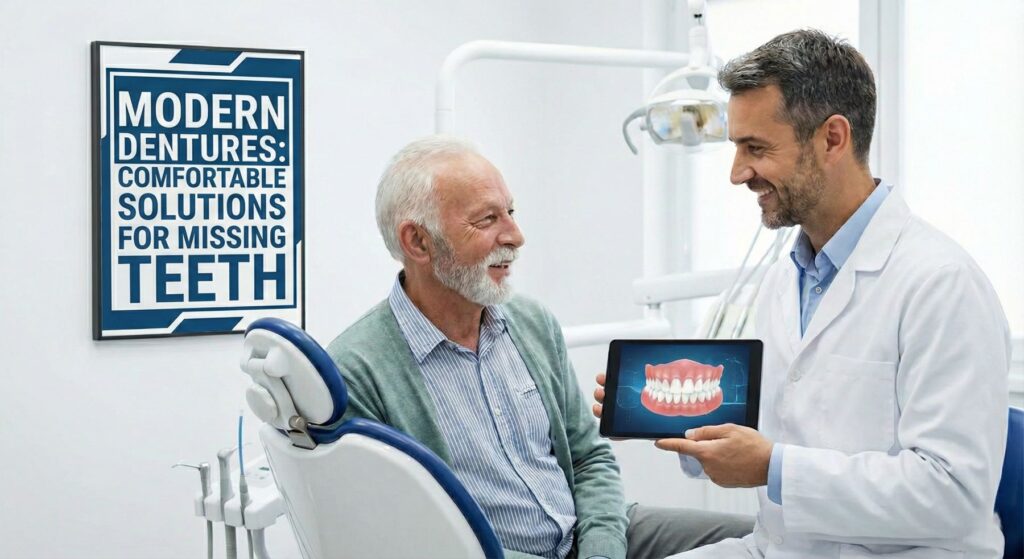
Why Dentures Still Have a Bad Reputation For many older patients, the word dentures brings up unpleasant memories of bulky, loose-fitting false teeth that looked artificial and slipped at the worst possible moments. Common fears include: “They’ll look fake” “They’ll fall out while I’m eating or talking” “I won’t be able to eat normally” The truth is, dentures have evolved dramatically. Modern materials, digital impressions, and precision fitting have completely changed how dentures look, feel, and function. Understanding today’s options is the first step to appreciating comfortable dentures Australia now offers. The Reality of Tooth Loss in Australia Tooth loss is far more common than many people realise. According to the Australian Institute of Health and Welfare, a significant percentage of older Australians are missing multiple teeth, affecting not only appearance but also nutrition and overall health. Missing teeth can lead to: Difficulty chewing Poor nutrition Facial sagging Reduced confidence Modern dentures are designed to restore both function and appearance, helping patients regain quality of life. Comfortable Dentures Australia: What’s Changed? The biggest difference between old-fashioned dentures and modern ones lies in customisation and materials. What Makes Modern Dentures More Comfortable? Lightweight, natural-looking materials Digital impressions instead of messy moulds Precision fitting for better stability Improved bite alignment Custom shade and tooth shape selection These advancements mean comfortable dentures Australia patients receive today feel far more natural than those of the past. How Modern Dentures Look Natural and Stay Secure One of the biggest concerns patients have is appearance. Modern dentures are designed to: Match natural tooth colour Complement facial features Support lips and cheeks Mimic natural tooth translucency In terms of stability, custom fitting ensures dentures sit securely on the gums, reducing movement during speech or eating. Key reassurance: Dentures that are properly designed and fitted should not “fall out” during everyday activities. Types of Modern Dentures Explained Not all dentures are the same. The best option depends on how many teeth are missing and overall oral health. Common Denture Types: Partial dentures Full dentures (full false teeth) Implant-supported dentures Each option focuses on replacing missing teeth while maintaining comfort and function. Partial Dentures vs Full False Teeth Partial Dentures Partial dentures are ideal when some natural teeth remain. Benefits include: Preserve remaining teeth Improved chewing ability Natural appearance Removable for easy cleaning Partial dentures blend seamlessly with existing teeth, making them a popular choice for patients missing only a few teeth. Full False Teeth Full false teeth are used when all teeth in the upper or lower arch are missing. Modern full dentures: Restore facial structure Improve speech clarity Allow normal eating with adaptation Look far more natural than older designs Both options are part of the comfortable dentures Australia solutions available today. How Dentures Help With Replacing Missing Teeth Replacing missing teeth isn’t just about looks—it’s about health. Without teeth: Jawbone can shrink Facial features collapse Chewing efficiency drops Dentures help by: Supporting facial muscles Restoring bite alignment Improving digestion through better chewing Enhancing self-confidence They remain one of the most accessible and effective options for replacing missing teeth. Eating, Speaking, and Smiling With Modern Dentures Eating With Dentures While there is an adjustment period, modern dentures allow patients to return to most foods. Tips include: Start with soft foods Cut food into smaller pieces Chew evenly on both sides Speaking With Dentures Speech typically improves as muscles adapt. Reading aloud can speed up this process. With proper fit and practice, dentures feel like a natural part of daily life. Denture Care Tips for Long-Term Comfort Proper care is essential to maintain comfort and longevity. Essential Denture Care Tips: Clean dentures daily with a soft brush Avoid abrasive toothpaste Remove dentures at night Store in water or denture solution Attend regular dental check-ups Well-maintained dentures last longer, fit better, and remain more comfortable. Who Is a Good Candidate for Dentures? Dentures are suitable for: Patients missing multiple teeth Older adults seeking non-surgical solutions Individuals wanting a cost-effective option Those unsuitable for dental implants A professional consultation ensures the right type of denture is selected for your needs. Conclusion: Why Comfortable Dentures Australia Are a Life-Changing Solution Dentures are no longer bulky, uncomfortable, or unnatural-looking. Today’s comfortable dentures Australia offers are custom-fitted, stable, and designed to restore confidence, function, and quality of life. If you’re missing teeth and worried about appearance or comfort, modern dentures may be the solution you’ve been avoiding—unnecessarily. Book your denture consultation today and discover how comfortable and natural modern dentures can truly be. FAQs: Comfortable Dentures Australia 1. Are modern dentures really comfortable? Yes. Comfortable dentures Australia clinics now offer are custom-made to fit securely and feel natural. 2. Will dentures look fake? No. Modern materials and custom designs make dentures look very natural. 3. Can I eat normally with dentures? With time and proper fit, most patients return to normal eating habits. 4. Are partial dentures better than full false teeth? It depends on how many teeth are missing. Both options are effective for replacing missing teeth. 5. How long do dentures last? With good denture care tips and regular check-ups, dentures can last many years.
Professional Teeth Whitening vs. DIY Kits: Why Your Dentist Does It Better
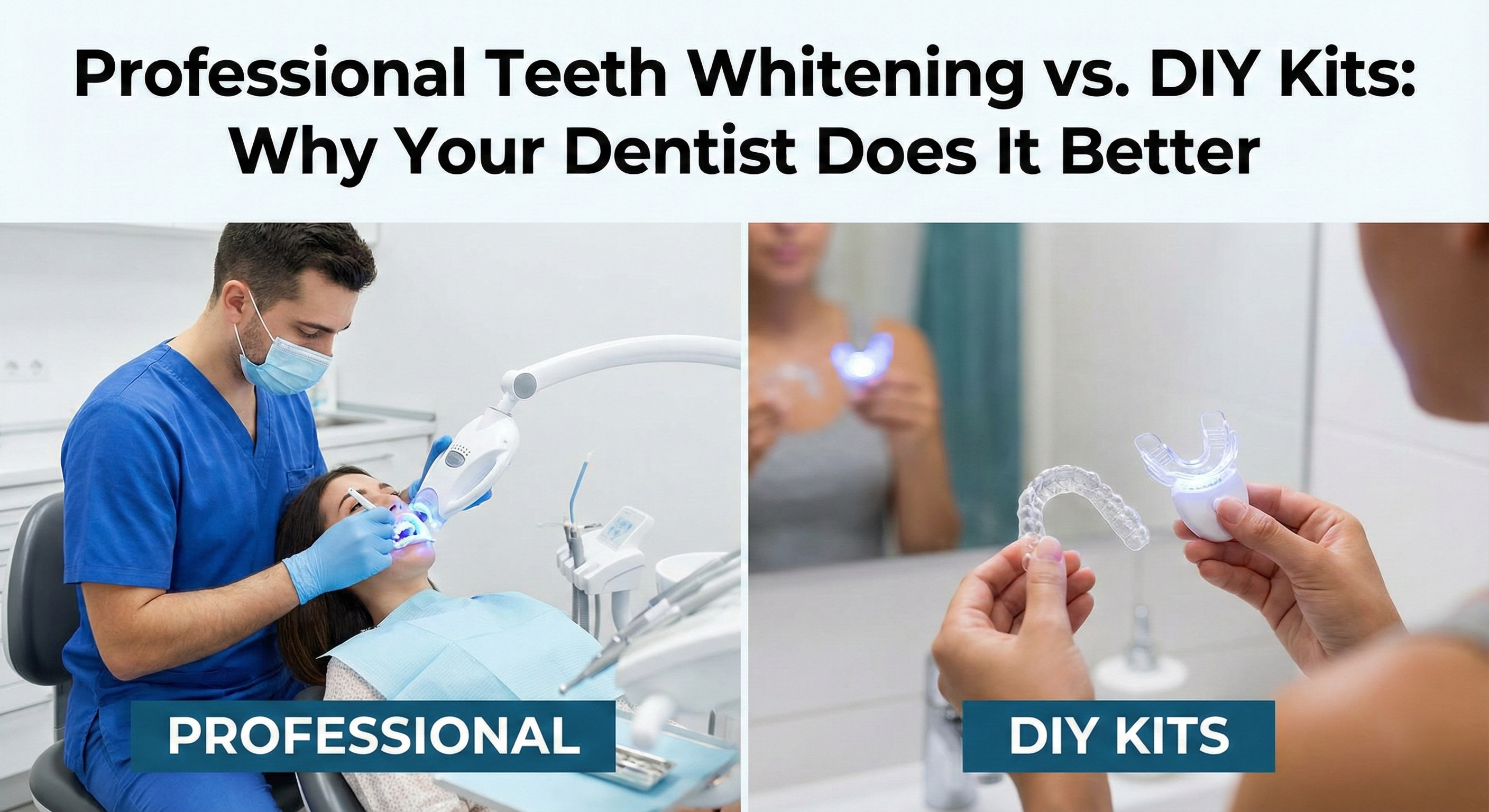
Why Teeth Whitening Is More Popular Than Ever A bright white smile is one of the most desired cosmetic dental goals today. With social media, video calls, and professional photos becoming part of everyday life, more patients are turning to teeth whitening than ever before. Unfortunately, many start with over-the-counter DIY whitening kits, only to experience: Minimal results Uneven whitening Tooth sensitivity Gum irritation This leads to frustration and the question patients often ask next: Is professional whitening really better? The answer lies in understanding the professional teeth whitening benefits and how dentist-supervised treatments differ from pharmacy kits. The Problem With DIY Teeth Whitening Kits DIY whitening strips, trays, and gels are marketed as quick and affordable solutions—but they come with significant limitations. Common Issues With Over-the-Counter Kits: Low-strength whitening agents One-size-fits-all trays Poor contact with tooth surfaces Increased sensitivity Gum burns from improper use Most pharmacy kits use very weak peroxide concentrations to meet safety regulations, which is why results are often disappointing. Worse still, repeated use can damage enamel and worsen sensitivity without achieving meaningful whitening. Professional Teeth Whitening Benefits Explained Professional whitening isn’t just stronger—it’s smarter, safer, and more controlled. Here are the key professional teeth whitening benefits patients notice immediately: 1. Faster, More Dramatic Results Dentist-grade whitening uses higher-concentration peroxide that delivers noticeable results in a single visit. 2. Even Whitening Custom trays and professional application ensure uniform whitening across all teeth. 3. Reduced Sensitivity Contrary to popular belief, professional whitening is often more comfortable than DIY kits because it’s carefully monitored. 4. Long-Lasting Results Professional treatments penetrate deeper stains, meaning results last longer with proper care. 5. Safety Monitoring Your dentist protects gums, enamel, and existing dental work throughout the procedure. How Teeth Whitening Actually Works (The Science) Teeth whitening works by using peroxide-based agents (hydrogen peroxide or carbamide peroxide) to break down stain molecules within enamel and dentin. DIY Kits: Use low peroxide concentrations Only affect surface stains Require repeated use Professional Whitening: Uses professional-grade peroxide Penetrates deep intrinsic stains Activates faster and more effectively According to the American Dental Association (ADA), dentist-supervised whitening is both safe and effective when performed correctly. This scientific difference explains why DIY kits struggle to deliver real results. Professional Whitening vs DIY Kits: Side-by-Side Comparison Feature Professional Whitening DIY Whitening Kits Whitening Strength High-grade peroxide Low-strength peroxide Custom Fit Yes No Speed 1 session Weeks Sensitivity Risk Managed Common Results Dramatic & even Minimal & uneven When comparing outcomes, the professional teeth whitening benefits are clear—especially for patients who have already tried DIY methods unsuccessfully. Laser Teeth Whitening: What Makes It More Effective? One of the most advanced professional options is laser teeth whitening. How Laser Whitening Works: Whitening gel is applied to teeth A specialized light activates the peroxide The process accelerates stain breakdown Benefits of Laser Teeth Whitening: Faster results Enhanced stain removal Shorter chair time Immediate brightness improvement Laser whitening is ideal for patients seeking quick, noticeable results before events such as weddings or job interviews. Is Professional Whitening Safe for Sensitive Teeth? Many patients avoid whitening because they already have sensitive teeth. Ironically, DIY kits often worsen sensitivity due to improper use. Professional whitening offers safe whitening for sensitive teeth because: Dentists assess enamel health beforehand Protective barriers shield gums Desensitizing agents are used Treatment is adjusted to your comfort Clinical Insight: Studies show that dentist-supervised whitening results in less post-treatment sensitivity than over-the-counter methods (Journal of Dentistry). If you’ve experienced sensitivity from strips or gels, professional whitening is the safer option. Why a Cosmetic Dentist in Chester Hill Gets Better Results A cosmetic dentist in Chester Hill doesn’t just whiten teeth—they design smiles. Advantages of Dentist-Led Whitening: Evaluation of existing restorations Shade matching for natural results Custom treatment plans Integration with other cosmetic services Your dentist ensures whitening enhances your overall smile—not just tooth colour. Bright Smile Tips to Maintain Whitening Results Once you’ve achieved a brighter smile, maintenance is key. Bright Smile Tips: Avoid coffee, red wine, and tobacco Rinse mouth after staining foods Use whitening-safe toothpaste Schedule regular dental cleans Consider occasional professional touch-ups With good habits, professional whitening results can last 12–24 months or longer. Conclusion: Why Professional Teeth Whitening Benefits Outshine DIY Kits DIY whitening kits may seem convenient, but they often fall short—causing sensitivity with little improvement. The science is clear: professional teeth whitening benefits include stronger results, better safety, and longer-lasting brightness. When performed by an experienced cosmetic dentist, professional whitening delivers a whiter, healthier-looking smile—without the risks of over-the-counter products. Book your professional teeth whitening consultation today and experience the difference dentist-supervised whitening can make. FAQs: Professional Teeth Whitening Benefits 1. What are the main professional teeth whitening benefits? The main professional teeth whitening benefits include faster results, reduced sensitivity, even whitening, and longer-lasting brightness. 2. Is professional teeth whitening better than DIY kits? Yes. Professional teeth whitening benefits include stronger agents, safety monitoring, and significantly better results than DIY kits. 3. Does professional whitening cause sensitivity? When supervised by a dentist, professional teeth whitening is often safer and more comfortable than pharmacy kits. 4. Is laser teeth whitening safe? Yes. Laser teeth whitening is safe when performed by a trained dental professional. 5. Can a cosmetic dentist in Chester Hill help with sensitive teeth whitening? Absolutely. A cosmetic dentist in Chester Hill can provide safe whitening for sensitive teeth using tailored techniques. Related Blog: https://dentalsmiles.com.au/teeth-clean-and-whitening-how-to-get-a-bright-healthy-smile/
Everything Parents Need to Know About the Child Dental Benefits Schedule 2025
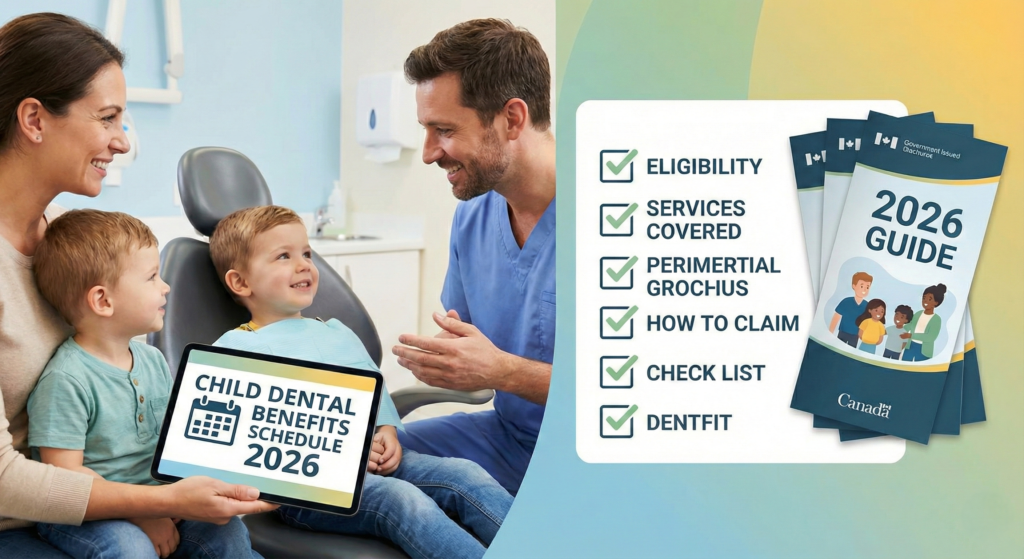
What Is the Child Dental Benefits Schedule (CDBS)? The Child Dental Benefits Schedule (CDBS) is a Medicare-funded program that helps Australian families access essential dental care for children—at little to no cost. Under the Child Dental Benefits, eligible children can receive over $1,000 in dental benefits across a two-year period, covering a wide range of basic and preventive dental services. Yet despite this generous funding, thousands of families don’t use it simply because they don’t know they’re eligible. Why Parents Worry About Kids’ Dental Costs Dental care is one of the most common healthcare expenses parents delay especially for children who “aren’t in pain.” Common concerns include: “Dental visits are too expensive” “My child seems fine — do they really need a check-up?” “I didn’t know Medicare covered dental for kids” Unfortunately, delaying care often leads to: Cavities Tooth pain Infection Emergency dental visits The Child Dental Benefits Schedule 2025 was created to remove cost as a barrier and encourage early, preventive care. Child Dental Benefits Schedule 2025 Explained In simple terms, the Child Dental Benefits Schedule 2025 provides government funding for essential dental services for eligible children. Key Points at a Glance: Funded by Medicare Covers children aged 0–17 Provides $1,000+ in benefits over two years Can be bulk billed by participating clinics Important: When you visit a clinic that offers bulk billing, eligible services can be provided with no out-of-pocket costs. This is why many families search for a free child dentist without realising they already qualify. Who Is Eligible for CDBS in 2025? Eligibility for the Child Dental Benefits Schedule 2025 is based on both age and family circumstances. Your Child May Be Eligible If: They are aged 0–17 years, AND You receive certain government payments, such as: Family Tax Benefit Part A Parenting Payment Carer Payment Eligibility is assessed automatically by Medicare, so you don’t need to apply separately. You can check eligibility through Medicare or myGov, or simply ask our clinic to check for you. What Dental Services Are Covered Under CDBS? The Child Dental Benefits Schedule 2025 focuses on preventive and essential dental care. Covered Services Include: Dental check-ups X-rays Teeth cleaning Fissure sealants Fillings Tooth extractions Root canal treatment (when clinically required) These services play a crucial role in kids preventive care, helping avoid more serious dental issues later. What’s NOT Covered by the Child Dental Benefits Schedule? While generous, CDBS does not cover every procedure. Services NOT Covered: Orthodontics (braces) Cosmetic dentistry Hospital-based dental treatments That said, most routine and preventive dental needs are fully supported—especially when you choose a bulk billing clinic. How Medicare Dental for Kids Works Many parents are surprised to learn that Medicare dental for kids exists at all. Here’s how it works: Medicare allocates funding to eligible children The benefit is available over a two-year period Each visit uses part of the available balance Bulk billing clinics claim directly from Medicare 💡 Good news: You don’t need to track the balance—we handle that for you. Can You Really See a Free Child Dentist? Yes—if you choose a clinic that bulk bills CDBS, your child’s eligible treatments can be completely free. A free child dentist visit typically includes: Full dental examination Professional clean Preventive advice Early detection of problems Early visits reduce the risk of: Pain Infection Emergency dental visits School absences Bulk Billing Dentist Charmhaven: How It Works Families searching for a bulk billing dentist Charmhaven want reassurance that there won’t be hidden fees. At our clinic: We check CDBS eligibility for you We bulk bill eligible services There are no upfront payments Parents receive clear treatment explanations This approach removes financial stress and encourages regular dental visits for children. Why Preventive Dental Care Is Essential for Kids Preventive care is the foundation of lifelong oral health. Benefits of Kids Preventive Care: Prevents cavities and decay Builds positive dental habits Reduces dental anxiety Saves money long-term Did You Know? According to the Australian Institute of Health and Welfare, tooth decay is one of the most common chronic conditions in children, yet it is largely preventable with early dental care. How to Book Your Child’s Free Dental Visit Booking under the Child Dental Benefits Schedule 2025 is simple. Steps to Book: Contact our clinic We confirm your child’s eligibility Choose a convenient appointment Your child receives care—often at no cost No complicated paperwork. No stress. Conclusion: Make the Most of the Child Dental Benefits Schedule 2025 Too many families miss out on dental care simply because they don’t know help is available. The Child Dental Benefits Schedule 2025 offers over $1,000 in funding to support your child’s oral health—without financial stress. Choosing a trusted, bulk billing clinic means: No surprise costs Better preventive care Healthier smiles for your children Book your child’s free dental appointment today and make full use of the Child Dental Benefits Schedule 2025 before benefits go unused. FAQs: Child Dental Benefits Schedule 2025 What is the Child Dental Benefits Schedule 2025? The Child Dental Benefits Schedule 2025 is a Medicare program that provides $1,000+ in dental benefits for eligible children over two years. How do I know if my child is eligible for the Child Dental Benefits Schedule 2025? Eligibility is based on age and certain government payments. Our clinic can check eligibility instantly. Can I use the Child Dental Benefits Schedule 2025 at a bulk billing dentist? Yes. Choosing a bulk billing dentist Charmhaven allows eligible services to be provided with no out-of-pocket costs. Does Medicare dental for kids cover check-ups and cleans? Yes. Medicare dental for kids covers examinations, cleans, X-rays, and other preventive services. Can my child really see a free child dentist? Absolutely. If eligible and bulk billed, your child can receive dental care for free under the Child Dental Benefits Schedule 2025.
Why a Root Canal Is Actually the Best Way to Relieve Tooth Pain: Root Canal Treatment Benefits Explained
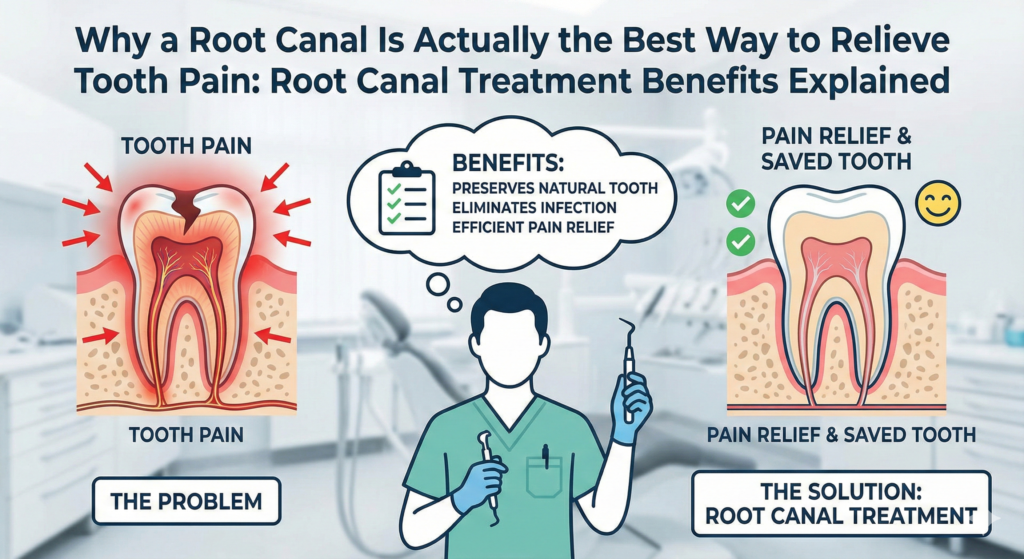
Why Are Patients So Afraid of Root Canals? Few dental procedures are surrounded by as many myths as root canals. For decades, patients have associated root canal treatment with extreme pain, long appointments, and discomfort. The truth? Root canals don’t cause pain — the infection does. In fact, one of the biggest root canal treatment benefits is immediate pain relief once the infection is removed. Unfortunately, outdated stories and misinformation cause many patients to delay treatment—allowing infections to worsen and increasing the risk of tooth loss. What Actually Causes Tooth Pain? (It’s Not the Root Canal) To understand why a root canal helps, you need to understand what’s really happening inside your tooth. Tooth pain is usually caused by: Deep decay reaching the pulp Cracked or fractured teeth Trauma or injury Severe infection or abscess Inside every tooth is soft tissue called pulp, which contains nerves and blood vessels. When bacteria infect this pulp, pressure builds inside the tooth causing intense pain, swelling, and sensitivity. Key takeaway: A root canal removes infected pulp, which is why pain decreases not increases. What Is a Root Canal Treatment? A root canal is a procedure designed to: Remove infected or inflamed pulp Clean and disinfect the inner tooth canals Seal the tooth to prevent reinfection Step-by-Step Overview: Local anesthesia is applied (you won’t feel pain) The infected pulp is removed Canals are cleaned and shaped The tooth is sealed and restored This process allows patients to save their natural tooth (secondary keyword use) instead of extracting it. According to the American Dental Association (ADA), root canal treatments have a success rate of over 95%, making them one of the most reliable dental procedures. Root Canal Treatment Benefits You Should Know Let’s address the biggest reason patients search this topic: benefits. 1. Immediate Pain Relief Once infection is removed, pressure on the nerve disappears. Many patients report feeling better the same day. 2. Saves Your Natural Tooth One of the most important root canal treatment benefits is the ability to save your natural tooth rather than removing it. 3. Stops Infection From Spreading Untreated infection can spread to: Jawbone Sinuses Other teeth Bloodstream Root canal treatment prevents these serious complications. 4. Restores Normal Chewing After restoration, the tooth functions just like a natural one. 5. Cost-Effective Long-Term Solution Replacing an extracted tooth with implants or bridges is often more expensive than preserving it. Does a Root Canal Hurt? Myth vs Reality Myth: Root canals are extremely painful Reality: Modern root canals feel similar to getting a filling. Advancements in: Local anesthesia Digital imaging Rotary instruments have transformed patient experience. Fact: A study published in the Journal of Endodontics found that over 90% of patients reported little to no pain during or after treatment. This is why many dentists now say: Living with an infected tooth hurts more than the root canal itself. Root Canal vs Tooth Extraction: Which Is Better? Many patients ask if it’s easier to “just pull the tooth.” Root Canal Tooth Extraction Saves natural tooth Tooth is lost permanently Maintains bite alignment Teeth may shift Normal chewing function Requires replacement Lower long-term cost Higher replacement costs Dentists and endodontists agree that saving the natural tooth whenever possible is always the best option. Why You Should Choose an Endodontist for Root Canal Treatment While general dentists can perform root canals, an endodontist specializes exclusively in diagnosing and treating tooth pain and infection. Endodontist Advantages: Advanced training in root canal therapy Specialized pain-management techniques Higher success rates Faster recovery Choosing an experienced endodontist maximizes all root canal treatment benefits while minimizing discomfort. Modern Technology That Makes Root Canals Comfortable Today’s root canal treatments are nothing like the past. Technologies Used: Digital X-rays (lower radiation) Electronic apex locators Rotary endodontic instruments Advanced irrigation systems These tools allow endodontists to treat infections more efficiently, accurately, and comfortably. When Do You Need a Root Canal? Warning Signs If you experience any of the following symptoms, a root canal may be necessary: Persistent toothache Sensitivity to hot or cold Swelling around the gums Darkening of the tooth Pimple-like bump on gums Delaying treatment allows infection to worsen and reduces your chances of saving the tooth. Conclusion: Why Root Canal Treatment Benefits Outweigh the Fear Root canals aren’t something to fear—they’re something to appreciate. The pain you feel comes from infection, not the procedure. When performed by a skilled endodontist, the root canal treatment benefits include fast relief, infection control, and the ability to save your natural tooth. If you’re experiencing tooth pain, waiting only makes things worse. Schedule a consultation with our endodontist today and experience the true benefits of modern root canal treatment. FAQs: Root Canal Treatment Benefits 1. What are the main root canal treatment benefits? The main root canal treatment benefits include pain relief, infection removal, and saving your natural tooth. 2. Is root canal treatment better than extraction? Yes. One of the biggest root canal treatment benefits is preserving the tooth and preventing costly replacements. 3. How long do root canal treatment benefits last? With proper care, the benefits can last a lifetime. 4. Can an endodontist make root canal treatment painless? Yes. An experienced endodontist uses advanced techniques to maximize root canal treatment benefits with minimal discomfort. 5. Does delaying treatment reduce root canal treatment benefits? Absolutely. Delaying treatment can reduce success rates and increase the risk of extraction.
Bleeding Gums? How to Stop Bleeding Gums Before Gingivitis Turns Into Gum Disease
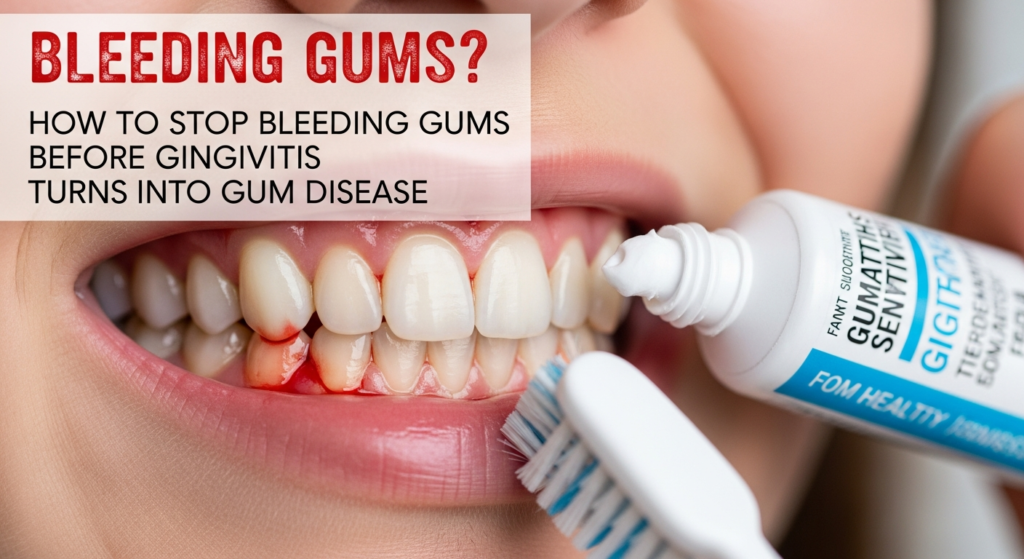
Introduction: Is Bleeding Gums Really Normal? If you notice blood when brushing or flossing, you’re not alone. Many patients assume bleeding gums are normal—especially if they’re brushing “too hard.” But bleeding gums are never normal. In fact, bleeding is one of the earliest warning signs that you need to stop bleeding gums before infection worsens. In the first 100 words, it’s important to understand this: Bleeding gums are a sign of gingivitis, an early-stage gum infection that can still be reversed with proper care. The good news? With the right oral hygiene and a professional Scale and Clean, most cases of gingivitis can be completely reversed—before they progress into advanced gum disease. What Causes Bleeding Gums? Bleeding gums happen when harmful bacteria build up along the gumline. This bacterial plaque triggers inflammation, making gums swollen, tender, and prone to bleeding. Common Causes Include: Poor brushing and flossing habits Plaque and tartar buildup Skipping regular dental cleanings Smoking or vaping Hormonal changes (pregnancy, puberty) Certain medications Early gum disease (gingivitis) According to the Centers for Disease Control and Prevention (CDC), nearly 47% of adults over 30 have some form of periodontal disease, many without realizing it. Ignoring bleeding gums allows bacteria to move deeper under the gums leading to bone loss and tooth instability. What Is Gingivitis and Why It Shouldn’t Be Ignored Gingivitis is the earliest stage of gum disease. At this point: Gums appear red and swollen Bleeding occurs during brushing or flossing There is little to no pain No permanent bone damage has occurred yet This stage is critical because gingivitis is reversible. Why Patients Ignore Gingivitis Many patients don’t feel pain, so they delay treatment. Unfortunately, by the time discomfort appears, the disease may already have progressed into periodontitis where damage becomes permanent. If your goal is to stop bleeding gums, gingivitis is the stage where action matters most. How to Stop Bleeding Gums Naturally at Home Early gingivitis can improve with consistent at-home care. Here’s how to reduce inflammation and bleeding: 1. Improve Brushing Technique Use a soft-bristled toothbrush Brush at a 45-degree angle toward the gumline Brush twice daily for 2 minutes 2. Floss Daily (Yes, Even If It Bleeds) Bleeding during flossing means inflammation not injury. Regular flossing removes plaque between teeth where brushes can’t reach. 3. Use Antibacterial Mouthwash Choose a mouthwash designed to fight gingivitis. These help reduce bacterial load and swelling. 4. Quit Smoking Smoking restricts blood flow to gums and slows healing, making it harder to stop bleeding gums naturally. 5. Maintain a Balanced Diet Vitamin C deficiency is linked to gum inflammation. Leafy greens, citrus fruits, and berries support gum health. Important: Home care helps early gingivitis, but tartar cannot be removed at home this is where professional care becomes essential. When Home Care Isn’t Enough: Professional Gum Disease Treatment If bleeding persists longer than 7–10 days, professional intervention is necessary. Scale and Clean: The Gold Standard A professional Scale and Clean removes hardened plaque (tartar) above and below the gumline something toothbrushes cannot do. Benefits include: Immediate reduction in bleeding Removal of bacterial toxins Healthier gum attachment Fresher breath Many patients notice improvement within days after a professional cleaning. Scale and Clean vs Deep Cleaning: What’s the Difference? Patients often ask whether they need a regular cleaning or something more advanced. Treatment Purpose Best For Scale and Clean Removes plaque and tartar above gumline Gingivitis Deep Cleaning Dentist (Scaling & Root Planing) Cleans below gumline Periodontitis A deep cleaning dentist treatment is recommended only when gum pockets deepen and bone loss begins. According to the American Dental Association (ADA), early professional cleaning can prevent the need for more invasive periodontal treatments. How Periodontal Care Prevents Advanced Gum Disease Proper periodontal care goes beyond cleaning—it’s about long-term gum health management. Periodontal Care Includes: Routine gum assessments Pocket depth measurements Professional cleanings Maintenance schedules Without periodontal care, untreated gingivitis can advance into periodontitis, leading to: Receding gums Loose teeth Chronic infection Tooth loss Signs Gingivitis Is Turning Into Periodontitis If you experience any of the following, you may need urgent gum disease treatment: Persistent bad breath Gum recession Pus around teeth Loose or shifting teeth Pain while chewing At this stage, a swollen gums cure requires professional deep cleaning and ongoing periodontal care. Prevention Tips: How to Keep Gums Healthy Long-Term Once you stop bleeding gums, prevention becomes the goal. Best Practices: Brush twice daily with fluoride toothpaste Floss once daily Visit your dentist every 6 months Avoid tobacco products Manage diabetes and systemic conditions Fact: Patients who attend regular dental cleanings reduce their risk of severe gum disease by up to 60% (Journal of Periodontology). Conclusion: Stop Bleeding Gums Before It’s Too Late Bleeding gums are your body’s early warning sign—not something to ignore. The key takeaway is simple: Gingivitis is reversible Professional Scale and Clean treatment works Early periodontal care prevents permanent damage If you act early, you can stop bleeding gums, restore gum health, and avoid advanced gum disease treatment altogether. Book your professional cleaning today and take the first step toward healthier gums and a healthier smile. FAQs: Stop Bleeding Gums How long does it take to stop bleeding gums? With improved oral hygiene and a professional scale and clean, most patients stop bleeding gums within 1–2 weeks. Can bleeding gums heal without a dentist? Mild gingivitis may improve, but tartar requires professional gum disease treatment to fully stop bleeding gums. Is bleeding gums a sign of serious gum disease? Bleeding gums indicate gingivitis. Left untreated, it can progress into periodontitis requiring deep cleaning dentist procedures. What is the best swollen gums cure? The most effective swollen gums cure is professional cleaning combined with good home care and periodontal care. Will deep cleaning stop bleeding gums? Yes. A deep cleaning dentist procedure removes bacteria below the gumline and helps stop bleeding gums caused by advanced disease.
Porcelain Veneers vs. Teeth Whitening: Which Smile Makeover is Right for You
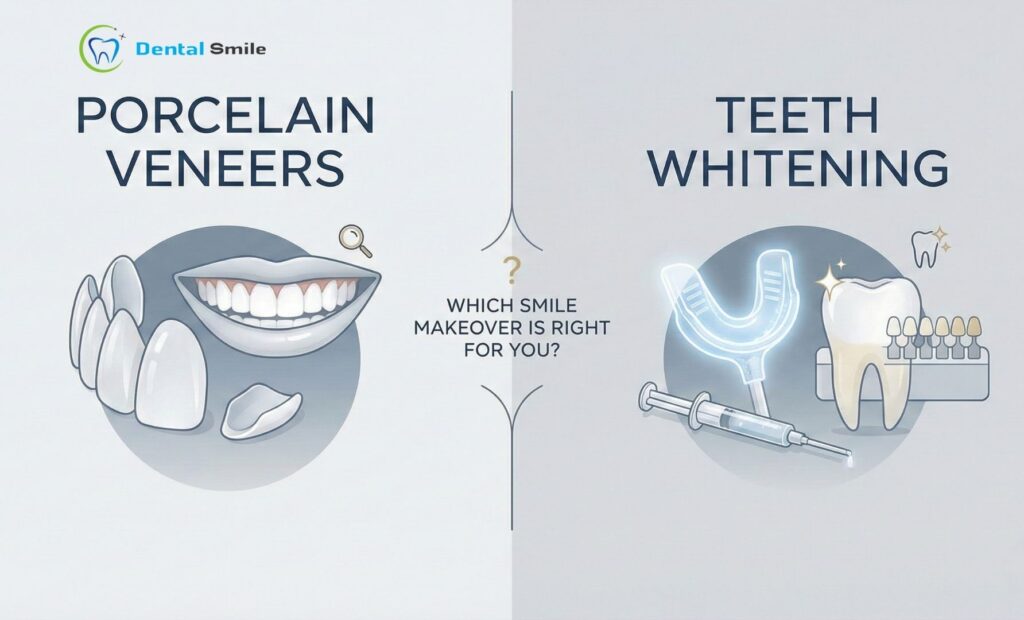
Introduction A bright, confident smile can make a world of difference in how you look and feel. If you’re considering a smile makeover, you might be wondering whether teeth whitening or porcelain veneers are the better option. Understanding the difference between these two treatments can help you make an informed choice and achieve the smile you’ve always wanted. Understanding Teeth Whitening Teeth whitening is a cosmetic dental procedure designed to lighten the colour of your teeth. It’s ideal for patients dealing with teeth stains from coffee, tea, wine, or smoking. Pros of Teeth Whitening: Quick and non-invasive treatment Affordable compared to veneers Can be done in-office or at home Limitations: Only improves the colour, not the shape or alignment of your teeth Results may fade over time, requiring repeat treatments Doesn’t fix chipped, worn, or misaligned teeth Understanding Porcelain Veneers Porcelain veneers are ultra-thin shells that are custom-made to fit over your teeth, improving their appearance. Unlike whitening, veneers can transform the colour, shape, size, and alignment of your teeth in one procedure. Pros of Porcelain Veneers: Corrects discoloration that whitening can’t fix Masks chips, gaps, and minor misalignments Long-lasting and resistant to staining Limitations: Higher cost compared to whitening (see smile makeover cost Australia) Requires removal of a thin layer of enamel Irreversible procedure Alternative Option: Composite veneers are a less expensive, minimally invasive alternative to porcelain veneers, though they may not last as long or resist stains as effectively. How to Decide Between Whitening and Veneers Here are a few questions to help guide your choice: Are you happy with your teeth’s shape and alignment, but want a brighter smile? → Teeth whitening may be sufficient. Do you have chipped, worn, or misaligned teeth, or stubborn stains? → Porcelain veneers might be the better option. Are you looking for a long-term, comprehensive solution? → Veneers generally offer more dramatic, lasting results. Consulting a cosmetic dentist in Charmhaven can help you evaluate your options and choose a treatment tailored to your smile goals. Cost Considerations in Australia The smile makeover cost in Australia can vary widely depending on the treatment. Teeth whitening is generally more affordable, while porcelain veneers require a larger investment. Composite veneers may be a budget-friendly middle ground for patients seeking significant cosmetic improvements without the higher cost of porcelain. Final Thoughts Choosing between porcelain veneers and teeth whitening comes down to your goals, budget, and the current condition of your teeth. While whitening can brighten your smile, veneers can completely transform it. The best way to decide is through a consultation with a qualified cosmetic dentist who can recommend a treatment plan that aligns with your smile vision for 2025. FAQs 1. How long do teeth whitening results last? Teeth whitening results typically last between 6 months to 2 years, depending on your diet, oral hygiene, and lifestyle habits such as smoking or drinking coffee. 2. Are porcelain veneers permanent? Porcelain veneers are long-lasting, usually 10–15 years, but they are not technically permanent. They may need replacement over time due to wear, damage, or changes in your natural teeth. 3. Can I get veneers if I already whitened my teeth? Yes! In fact, dentists often recommend whitening your teeth before getting veneers so your natural teeth match the colour of your new veneers perfectly.
Wisdom Teeth Removal: What to Expect + How to Choose a Dental Clinic Close to Me
Introduction Wisdom teeth removal is one of the most common oral surgery procedures performed worldwide. These third molars usually appear between ages 17 and 25, but for many people, they erupt incorrectly, cause pain, or lead to infections. If you’ve been searching for a dental clinic close to me to understand your options, this comprehensive guide answers every major question from symptoms and procedure steps to recovery time, cost considerations, and choosing the right dentist. Many patients feel nervous about wisdom tooth extraction, but knowing what to expect helps reduce anxiety and ensures a smooth, comfortable experience. This blog explains the process in simple language and provides actionable tips to help you prepare for the procedure with confidence. What Are Wisdom Teeth? Wisdom teeth are the last set of molars located at the very back of your mouth. Humans used to need these extra teeth for chewing tough roots and raw foods, but as diets evolved and jaws became smaller, these teeth became unnecessary. Today, wisdom teeth often: Grow at an angle Remain trapped (impacted) Push into other teeth Cause deep gum pockets Lead to infections Because the modern jaw doesn’t have enough space, these teeth frequently create problems, making removal the safest long-term solution. Signs You May Need Wisdom Teeth Removal Not everyone needs extraction — some people have wisdom teeth that erupt normally. However, you should consider a dental consultation if you experience: Persistent Pain at the Back of the Mouth Dull, throbbing, or sharp pain near the jawline is one of the earliest symptoms of impacted wisdom teeth. Swelling or Bleeding Gums Inflammation near the erupting tooth suggests infection or gum irritation. Jaw Stiffness or Difficulty Opening Mouth This may indicate pressure on surrounding tissues or a developing infection. Repeated Infections (Pericoronitis) Food and bacteria often get trapped under the gum flap covering a partially erupted tooth. Crowding or Shifting Teeth Wisdom teeth can push other teeth out of position, undoing years of orthodontic work. Cysts or Tooth Decay Impacted teeth may create cysts or cause cavities in nearby molars due to limited access for cleaning. If you notice any of these symptoms, searching for a dental clinic close to me and scheduling an evaluation can prevent serious oral health complications. Why Dentists Recommend Early Removal Younger patients tend to recover faster, but age isn’t the only factor. Dentists recommend early wisdom teeth removal because: Roots are not fully formed Bone is softer Healing is faster Risks are lower Avoids future complications Removing problematic wisdom teeth early prevents damage to adjacent teeth, nerve issues, gum infections, and long-term jaw complications. What Happens During Wisdom Teeth Removal Understanding the procedure helps reduce fear and sets accurate expectations. Here’s the typical step-by-step process: 1. Consultation & X-Ray Analysis Your dentist examines your mouth and takes a panoramic X-ray to determine the position of the teeth, their depth, and proximity to nerves. 2. Anesthesia Selection Depending on your needs, the clinic may use: Local anesthesia Local anesthesia + sedation General anesthesia (rare, for complex cases) 3. The Extraction Procedure The dentist: Numbs the area completely Makes a small incision if the tooth is impacted Removes bone covering the tooth (if necessary) Extracts the wisdom tooth in one piece or in sections Cleans the extraction site Places stitches (if needed) Places gauze to control bleeding The entire procedure usually takes 20–45 minutes, depending on complexity. 4. Immediate Post-Operative Phase You’ll rest in the dental chair for 10–15 minutes before heading home with aftercare instructions. Wisdom Teeth Removal Recovery Timeline Healing varies, but most patients follow this timeline: First 24 Hours Blood clot forms Mild bleeding Swelling begins Pain medication required Day 2–3 Swelling peaks Bruising may appear Soft foods recommended Avoid strenuous activity Day 4–7 Pain reduces significantly Chewing becomes easier Stitches may dissolve Week 2+ Most swelling gone Full function returns Tissue continues to heal internally Week 3–4 Jaw stiffness fades Complete recovery for most patients Proper aftercare speeds up healing and reduces complications like dry socket. Aftercare Tips for Fast Healing Proper post-op care is crucial. Here are evidence-based tips to ensure smooth healing: Control Bleeding Bite gently on gauze for 30–45 minutes. Replace only as advised. Apply Ice Packs Use ice on the cheeks for the first 24 hours (15 minutes on, 15 minutes off). Eat Soft Foods Choose foods such as: Yogurt Mashed potatoes Oatmeal Soups (not too hot) Smoothies (no straws) Stay Hydrated Drink plenty of water but avoid carbonated, caffeinated, or alcoholic drinks for the first 24 hours. Start Warm Saltwater Rinses Begin 24 hours after surgery to keep the area clean. Avoid These Smoking Alcohol Straw usage Hard or spicy foods Intense physical activity Following these steps helps prevent complications and promotes quick recovery. Possible Complications and How to Avoid Them Most patients heal without issues, but complications can occur: 1. Dry Socket Caused when the protective blood clot dislodges. Prevent by avoiding straws, smoking, and vigorous rinsing. 2. Infection Symptoms include fever, pus, swelling, and foul taste. Good oral hygiene helps minimize risk. 3. Nerve Irritation Rare but possible when lower wisdom teeth lie close to major nerves. Skilled dentists identify and avoid high-risk areas using X-rays. 4. Jaw Stiffness Normal for a few days. Warm compresses and gentle jaw exercises help. 5. Excessive Swelling or Bruising Ice packs and proper rest reduce this significantly. Choosing an experienced dental professional minimizes these risks. How to Choose the Right Dental Clinic Close to Me When searching for a dental clinic close to me for wisdom teeth extraction, consider the following: Dentist’s Qualifications Ensure the dentist or oral surgeon has experience with complex extractions. Advanced Diagnostic Tools Clinics offering panoramic X-rays or CBCT scans provide more accurate evaluations. Sterilization & Safety Standards A clean, modern clinic reduces risk of infection. Sedation Options If you feel anxious, choose a clinic offering sedation dentistry. Transparent Pricing Request a clear breakdown of consultation, X-rays, anesthesia, and extraction costs. Post-Treatment Support Good clinics provide written aftercare instructions and
Wisdom Teeth Removal: What to Expect + How to Choose a Dental Clinic Close to Me
Introduction Wisdom teeth removal is one of the most common oral surgery procedures performed worldwide. These third molars usually appear between ages 17 and 25, but for many people, they erupt incorrectly, cause pain, or lead to infections. If you’ve been searching for a dental clinic close to me to understand your options, this comprehensive guide answers every major question from symptoms and procedure steps to recovery time, cost considerations, and choosing the right dentist. Many patients feel nervous about wisdom tooth extraction, but knowing what to expect helps reduce anxiety and ensures a smooth, comfortable experience. This blog explains the process in simple language and provides actionable tips to help you prepare for the procedure with confidence. What Are Wisdom Teeth? Wisdom teeth are the last set of molars located at the very back of your mouth. Humans used to need these extra teeth for chewing tough roots and raw foods, but as diets evolved and jaws became smaller, these teeth became unnecessary. Today, wisdom teeth often: Grow at an angle Remain trapped (impacted) Push into other teeth Cause deep gum pockets Lead to infections Because the modern jaw doesn’t have enough space, these teeth frequently create problems, making removal the safest long-term solution. Signs You May Need Wisdom Teeth Removal Not everyone needs extraction — some people have wisdom teeth that erupt normally. However, you should consider a dental consultation if you experience: Persistent Pain at the Back of the Mouth Dull, throbbing, or sharp pain near the jawline is one of the earliest symptoms of impacted wisdom teeth. Swelling or Bleeding Gums Inflammation near the erupting tooth suggests infection or gum irritation. Jaw Stiffness or Difficulty Opening Mouth This may indicate pressure on surrounding tissues or a developing infection. Repeated Infections (Pericoronitis) Food and bacteria often get trapped under the gum flap covering a partially erupted tooth. Crowding or Shifting Teeth Wisdom teeth can push other teeth out of position, undoing years of orthodontic work. Cysts or Tooth Decay Impacted teeth may create cysts or cause cavities in nearby molars due to limited access for cleaning. If you notice any of these symptoms, searching for a dental clinic close to me and scheduling an evaluation can prevent serious oral health complications. Why Dentists Recommend Early Removal Younger patients tend to recover faster, but age isn’t the only factor. Dentists recommend early wisdom teeth removal because: Roots are not fully formed Bone is softer Healing is faster Risks are lower Avoids future complications Removing problematic wisdom teeth early prevents damage to adjacent teeth, nerve issues, gum infections, and long-term jaw complications. What Happens During Wisdom Teeth Removal Understanding the procedure helps reduce fear and sets accurate expectations. Here’s the typical step-by-step process: 1. Consultation & X-Ray Analysis Your dentist examines your mouth and takes a panoramic X-ray to determine the position of the teeth, their depth, and proximity to nerves. 2. Anesthesia Selection Depending on your needs, the clinic may use: Local anesthesia Local anesthesia + sedation General anesthesia (rare, for complex cases) 3. The Extraction Procedure The dentist: Numbs the area completely Makes a small incision if the tooth is impacted Removes bone covering the tooth (if necessary) Extracts the wisdom tooth in one piece or in sections Cleans the extraction site Places stitches (if needed) Places gauze to control bleeding The entire procedure usually takes 20–45 minutes, depending on complexity. 4. Immediate Post-Operative Phase You’ll rest in the dental chair for 10–15 minutes before heading home with aftercare instructions. Wisdom Teeth Removal Recovery Timeline Healing varies, but most patients follow this timeline: First 24 Hours Blood clot forms Mild bleeding Swelling begins Pain medication required Day 2–3 Swelling peaks Bruising may appear Soft foods recommended Avoid strenuous activity Day 4–7 Pain reduces significantly Chewing becomes easier Stitches may dissolve Week 2+ Most swelling gone Full function returns Tissue continues to heal internally Week 3–4 Jaw stiffness fades Complete recovery for most patients Proper aftercare speeds up healing and reduces complications like dry socket. Aftercare Tips for Fast Healing Proper post-op care is crucial. Here are evidence-based tips to ensure smooth healing: Control Bleeding Bite gently on gauze for 30–45 minutes. Replace only as advised. Apply Ice Packs Use ice on the cheeks for the first 24 hours (15 minutes on, 15 minutes off). Eat Soft Foods Choose foods such as: Yogurt Mashed potatoes Oatmeal Soups (not too hot) Smoothies (no straws) Stay Hydrated Drink plenty of water but avoid carbonated, caffeinated, or alcoholic drinks for the first 24 hours. Start Warm Saltwater Rinses Begin 24 hours after surgery to keep the area clean. Avoid These Smoking Alcohol Straw usage Hard or spicy foods Intense physical activity Following these steps helps prevent complications and promotes quick recovery. Possible Complications and How to Avoid Them Most patients heal without issues, but complications can occur: 1. Dry Socket Caused when the protective blood clot dislodges. Prevent by avoiding straws, smoking, and vigorous rinsing. 2. Infection Symptoms include fever, pus, swelling, and foul taste. Good oral hygiene helps minimize risk. 3. Nerve Irritation Rare but possible when lower wisdom teeth lie close to major nerves. Skilled dentists identify and avoid high-risk areas using X-rays. 4. Jaw Stiffness Normal for a few days. Warm compresses and gentle jaw exercises help. 5. Excessive Swelling or Bruising Ice packs and proper rest reduce this significantly. Choosing an experienced dental professional minimizes these risks. How to Choose the Right Dental Clinic Close to Me When searching for a dental clinic close to me for wisdom teeth extraction, consider the following: Dentist’s Qualifications Ensure the dentist or oral surgeon has experience with complex extractions. Advanced Diagnostic Tools Clinics offering panoramic X-rays or CBCT scans provide more accurate evaluations. Sterilization & Safety Standards A clean, modern clinic reduces risk of infection. Sedation Options If you feel anxious, choose a clinic offering sedation dentistry. Transparent Pricing Request a clear breakdown of consultation, X-rays, anesthesia, and extraction costs. Post-Treatment Support Good clinics provide written aftercare instructions and
Teeth Clean and Whitening: How to Get a Bright, Healthy Smile
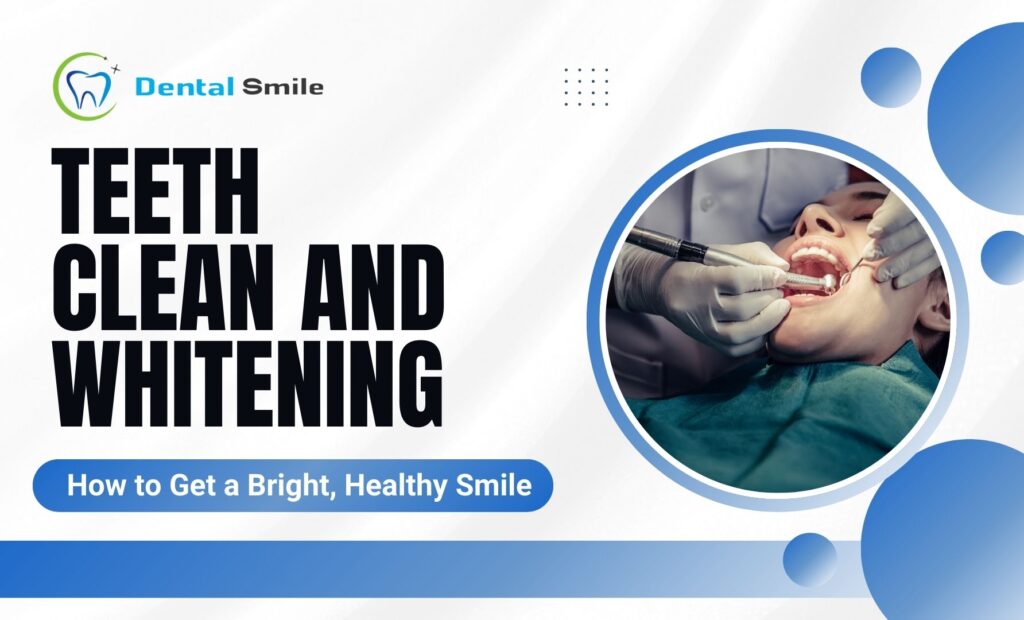
Introduction: Why Teeth Clean and Whitening Matters A bright, healthy smile is one of the most important aspects of personal confidence and oral hygiene. Teeth clean and whitening are not just cosmetic procedures they reflect your commitment to oral health. This blog will guide you through the process, benefits, and aftercare for achieving a sparkling smile. What is Teeth Cleaning vs Teeth Whitening Understanding the difference helps in choosing the right dental service: Teeth Cleaning (Professional Cleaning): Removes plaque and tartar buildup, polishes enamel, and eliminates surface stains, reducing the risk of cavities and gum disease. Teeth Whitening: Uses bleaching agents to lighten the color of your teeth and remove deeper stains caused by aging, beverages, or habits. Professional whitening works best after a cleaning session. That’s why many people search for teeth clean and whitening near me to get a combined service. Benefits of Professional Teeth Clean and Whitening Booking professional teeth clean and whitening offers: Brighter, Whiter Teeth: Achieve shades lighter than home remedies or toothpaste can provide. Improved Oral Health: Cleaning removes harmful plaque and tartar, preventing cavities, gum disease, and bad breath. Stain Prevention: Whitening removes stubborn stains from coffee, tea, tobacco, and foods. Boost Confidence: A radiant smile enhances self-esteem. Quick & Long-Lasting Results: Professional procedures are faster and more effective than home treatments. What to Expect When You Search for “Teeth Clean and Whitening Near Me” When people look for teeth clean and whitening near me, they usually follow this process: Dental Exam: Assess teeth and gum health for safety. Professional Cleaning: Removes buildup and prepares teeth for whitening. Whitening Preparation: Protect gums and lips with barriers or gels. Application of Whitening Gel: Uses hydrogen peroxide or carbamide peroxide; sometimes activated with light or laser. Duration & Comfort: Cleaning ~30–45 min; whitening ~60–90 min. Mild sensitivity may occur. Immediate Results: Most see a noticeable difference after one session. How Often Should You Get Cleaning & Whitening Professional Cleaning: Every 6 months for most adults. Whitening: Once or twice a year depending on habits and staining. Overdoing it can cause sensitivity. Aftercare & Tips to Maintain Your Whiter Smile To make teeth clean and whitening results last: Use dentist-recommended fluoride toothpaste. Avoid coffee, tea, dark sodas, spices, and tobacco. Maintain oral hygiene: brush, floss, and use mouthwash. Rinse mouth after consuming acidic or staining substances. Conclusion Professional teeth clean and whitening improves both appearance and oral health. For best results, choose a reputable dentist, follow aftercare tips, and maintain good oral hygiene. If you’re searching for teeth clean and whitening near me, make sure the clinic follows professional safety protocols to achieve a bright, confident smile. FAQ Does cleaning alone whiten teeth?Cleaning removes surface stains but cannot lighten deeper discoloration. Is whitening safe?Yes, if done professionally with proper bleaching agents. How long do results last?Several months up to 1–2 years depending on care and habits. Can whitening treat crowns or veneers?No, whitening works only on natural enamel. Where can I find “teeth clean and whitening near me”?Search online using your city + “teeth clean and whitening near me” to find local clinics.