
Veneers For Teeth: Complete Guide to Cost, Types, Benefits & Procedure
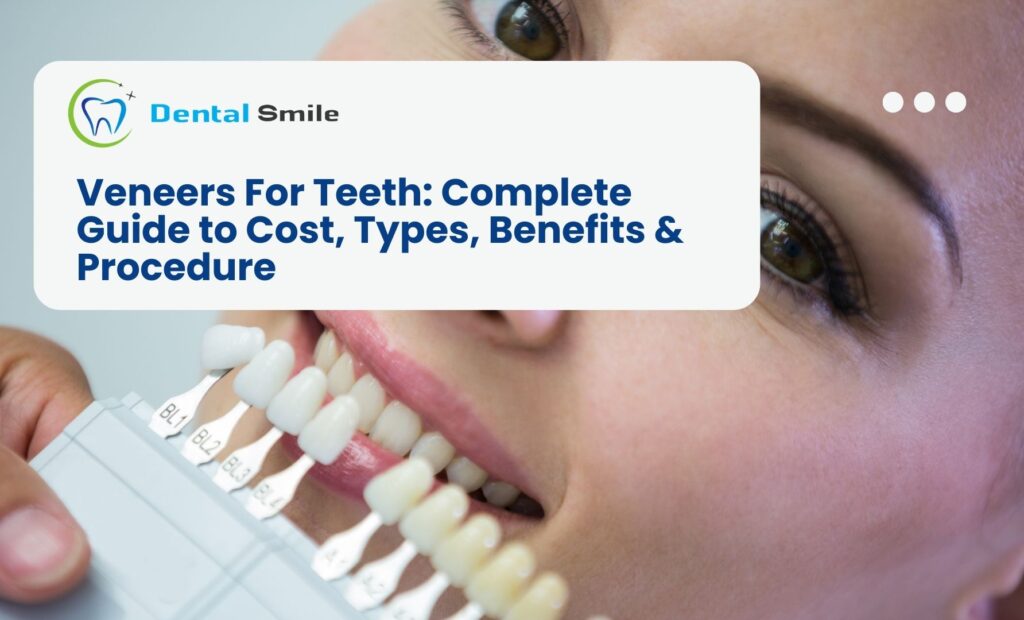
What Are Veneers For Teeth? Veneers For Teeth are thin, custom-made shells designed to cover the front surface of teeth to improve their appearance. They are commonly used to correct tooth discoloration, chips, gaps, minor misalignment, and uneven shapes. Made from porcelain or composite resin, veneers for teeth are bonded permanently to natural teeth, delivering a long-lasting and natural-looking smile makeover. According to the American Dental Association (ADA), veneers are considered a conservative cosmetic dentistry option as they preserve most of the natural tooth structure while achieving dramatic results. Who Should Consider Veneers For Teeth? Veneers for teeth are ideal if you have: Stained or discolored teeth resistant to whitening Chipped or cracked teeth Uneven or irregularly shaped teeth Mildly misaligned teeth Gaps between teeth Worn-down enamel However, patients with severe tooth decay, gum disease, or untreated bruxism (teeth grinding) may require treatment before getting veneers for teeth. Tip: A cosmetic dentist consultation is essential to determine candidacy. Types of Veneers For Teeth 1. Porcelain Veneers For Teeth Most durable and stain-resistant Natural enamel-like appearance Last 10–15 years or more 2. Composite Veneers For Teeth Made from tooth-colored resin More affordable Same-day application possible Last 5–7 years 3. No-Prep Veneers (Lumineers) Minimal or no tooth reduction Reversible in some cases Thinner than traditional porcelain veneers Each type of veneers for teeth serves different needs, budgets, and cosmetic goals. Veneers For Teeth vs Crowns vs Bonding Feature Veneers For Teeth Crowns Dental Bonding Coverage Front surface Full tooth Partial Durability High Very High Low Aesthetic Result Excellent Good Moderate Tooth Reduction Minimal Significant Minimal Cost Medium–High High Low Veneers for teeth are often preferred for purely cosmetic improvements. Step-by-Step Veneers For Teeth Procedure 1. Consultation & Smile Design Your dentist evaluates teeth, takes X-rays, and designs the ideal smile. 2. Tooth Preparation A thin layer of enamel (0.3–0.5 mm) is removed to accommodate veneers for teeth. 3. Impressions & Temporary Veneers Impressions are sent to a dental lab while temporary veneers protect your teeth. 4. Bonding Permanent Veneers Veneers are cemented using dental adhesive and cured with special light. Cost of Veneers For Teeth The cost of veneers for teeth depends on material, location, and dentist experience. Type Average Cost (Per Tooth) Porcelain Veneers $900 – $2,500 Composite Veneers $250 – $1,200 No-Prep Veneers $800 – $2,000 Cosmetic dentistry procedures like veneers for teeth are typically not covered by insurance unless medically necessary. Benefits of Veneers For Teeth Natural and realistic appearance Stain resistance (porcelain) Instant smile transformation Long-lasting cosmetic solution Minimal tooth removal Clinical studies published on PubMed highlight veneer success rates above 95% when properly maintained. Risks & Disadvantages of Veneers For Teeth Despite their advantages, veneers for teeth have limitations: Irreversible (in most cases) Possible sensitivity after placement Veneers may chip or crack under pressure Not suitable for severe dental issues Choosing an experienced cosmetic dentist significantly reduces these risks. How Long Do Veneers For Teeth Last? With proper care: Porcelain veneers for teeth: 10–15 years Composite veneers for teeth: 5–7 years Longevity depends on oral hygiene, lifestyle habits, and regular dental visits. Caring for Veneers For Teeth To maintain veneers for teeth: Brush twice daily with non-abrasive toothpaste Floss regularly Avoid chewing hard objects (ice, pens) Wear a night guard if you grind your teeth Visit your dentist every 6 months You can internally link here to your Dental Care Services page. Are Veneers For Teeth Worth It? If your goal is a long-term, confidence-boosting smile makeover, veneers for teeth offer unmatched cosmetic benefits. They are especially ideal for professionals, public speakers, and anyone seeking a flawless smile solution. Consider linking internally to: Smile Makeover Services Cosmetic Dentistry Consultation Teeth Whitening Treatments Conclusion: Is Veneers For Teeth the Right Choice for You? Veneers For Teeth are one of the most effective cosmetic dentistry solutions for achieving a bright, symmetrical, and confident smile. From correcting discoloration to reshaping teeth, veneers deliver fast and reliable results when done by skilled professionals. If you’re ready to transform your smile, veneers for teeth might be the perfect long-term investment in both aesthetics and self-confidence. Book a cosmetic dental consultation today to explore your veneer options and start your smile makeover journey. FAQs About Veneers For Teeth 1. Are veneers for teeth permanent? Yes, veneers for teeth are considered permanent because enamel removal is involved. 2. Do veneers for teeth look natural? Modern veneers for teeth closely mimic natural enamel and are virtually indistinguishable. 3. Are veneers for teeth painful? The procedure is minimally invasive and typically painless with local anesthesia. 4. Can veneers for teeth stain? Porcelain veneers for teeth resist staining better than natural teeth. 5. Can I whiten veneers for teeth? No, veneers for teeth cannot be whitened once placed.
Preventive Dentistry: A Complete Guide to Protecting Your Oral Health
What Is Preventive Dentistry? The first step to lifelong oral health begins with Preventive Dentistry, a branch of dental care focused on maintaining healthy teeth and gums and avoiding dental diseases before they develop. It includes routine checkups, cleanings, dental sealants, fluoride treatments, and daily oral hygiene habits that keep your smile strong. Preventive Dentistry aims to stop issues such as cavities, gum disease, enamel erosion, bad breath, and tooth loss long before they require expensive treatments. Importance of Preventive Dentistry in Daily Life Preventive care is not just about avoiding problems it’s about early detection. According to the CDC, nearly 26% of adults have untreated dental caries, and regular preventive visits can reduce this risk significantly. Good oral health is tied to overall health: studies show a link between gum disease and heart disease, diabetes complications, and respiratory issues. Preventive Dentistry helps you: Avoid major dental procedures Maintain fresh breath Strengthen tooth enamel Save money on long-term dental costs Improve overall confidence Key Components of Preventive Dental Care a. Routine Dental Checkups Visiting your dentist every 6 months ensures early detection of cavities, gum infections, and enamel wear. b. Teeth Cleanings Professional cleanings remove plaque and tartar even the areas your brush can’t reach. c. Fluoride Treatments Fluoride strengthens enamel and is especially beneficial for children and people prone to cavities. d. Dental Sealants Sealants protect the deep grooves of molars and are one of the most effective cavity-prevention methods for kids. e. X-rays Digital X-rays detect early signs of decay, gum disease, cysts, and jawbone issues before they cause pain. Professional Preventive Dentistry Services Your dentist may offer a range of preventive dentistry services such as: Comprehensive oral exams Scaling and polishing Gum disease evaluations Bite analysis Oral cancer screenings At-Home Preventive Care Tips Preventive Dentistry doesn’t end at the dental clinic. Daily habits significantly influence long-term oral health. a. Brushing Twice Daily Use a soft-bristled brush and fluoride toothpaste. b. Flossing Once a Day Flossing removes plaque hidden between teeth a common starting point of gum disease. c. Eating a Tooth-Friendly Diet Limit sugary foods and acidic beverages. Include calcium-rich foods. d. Using Mouthwash Antibacterial mouthwash helps reduce plaque and bad breath. e. Avoiding Tobacco Smoking drastically increases the risk of gum disease and oral cancer. Benefits of Preventive Dentistry Preventive Dentistry offers long-term advantages such as: Lower risk of cavities and gum disease Improved oral hygiene Prevention of enamel loss Early detection of oral cancer Lower lifetime dental costs Better-smelling breath Stronger, longer-lasting natural teeth Preventive Dentistry for Children vs Adults Preventive Dentistry for Children Fluoride varnish Sealants Orthodontic monitoring Early cavity detection Preventive Dentistry for Adults Periodontal deep cleanings Oral cancer screenings Mouthguards for grinding Diabetes/gum disease monitoring Latest Technologies in Preventive Dentistry Modern dentistry utilizes advanced tools for early diagnosis and personalized preventive care. Examples: Digital Intraoral Scanners: 3D images for accurate evaluation AI-based Cavity Detection Systems Laser Dentistry: Minimally invasive plaque and tartar removal DIAGNOdent: Laser cavity detection These technologies help dentists detect problems earlier and provide more precise preventive treatments. Common Problems Preventive Dentistry Can Solve Preventive Dentistry can help address: Early-stage cavities Gingivitis Enamel erosion Bad breath Plaque buildup Sensitivity Staining Oral infections The goal is to prevent not treat advanced dental problems that require fillings, root canals, or extractions. Conclusion Preventive Dentistry is the foundation of long-lasting oral health. With routine dental visits, proper at-home care, and early detection of potential issues, you can avoid costly and painful treatments in the future. Investing in Preventive Dentistry today means protecting your smile for life. Frequently Asked Questions What is the main goal of Preventive Dentistry? The primary goal of Preventive Dentistry is to prevent cavities, gum disease, and enamel wear before they become serious. How often should I visit a preventive dentist? Most dentists recommend preventive visits every 6 months, but some patients may require more frequent checkups. Is Preventive Dentistry suitable for children? Yes! Preventive Dentistry is essential for children to protect developing teeth and reduce future dental issues.
Wisdom Teeth Removal: What to Expect & Why Choose a Dentist in Chester Hill

Introduction If you’re experiencing discomfort at the back of your mouth, swelling, or trouble chewing, you may be dealing with problems related to your wisdom teeth. Wisdom teeth removal is one of the most common dental procedures and is often recommended to prevent or treat complications like impaction, infection, and crowding. Choosing a trusted dentist in Chester Hill can make your treatment safer, more comfortable, and more convenient. Wisdom teeth may not always cause immediate symptoms, but when they do, the pain can be sudden and severe and timely treatment is crucial. In this guide, we break down everything you need to know, from symptoms and surgery steps to recovery and choosing the right professional. What Is Wisdom Teeth Removal? Wisdom teeth removal is a dental procedure aimed at extracting the third molars the final set of teeth to appear. These teeth typically emerge between ages 17 and 25. Because they erupt last, they often lack adequate space, leading to misalignment or partial eruption. Wisdom teeth can: These problems often prompt dentists to recommend removal to protect overall oral health. Why Wisdom Teeth Need to Be Removed While not all wisdom teeth cause issues, many become problematic due to lack of space or abnormal growth patterns. Removal is commonly recommended for these reasons: Prevent Crowding If wisdom teeth push through at an incorrect angle, they can shift your existing teeth, undoing years of orthodontic treatment. Avoid Infection Partially erupted teeth create pockets where bacteria accumulate. This can cause recurrent infections, gum swelling, and even jaw stiffness. Stop Tooth Decay The back of the mouth is harder to clean. Partially erupted wisdom teeth trap food and bacteria, increasing your risk of decay. Prevent Cysts or Tumours Impacted teeth can sometimes form cysts, which may damage the jawbone and surrounding teeth. Reduce Pain & Ongoing Discomfort If you frequently experience pain near the molars, extraction may be required to prevent long-term complications. Signs You May Need Wisdom Teeth Extraction You may need wisdom teeth removal if you notice: If you are experiencing any of these symptoms, it’s best to consult a dentist in Chester Hill for an evaluation. How a Dentist Assesses Wisdom Teeth Before recommending extraction, your dentist will conduct a thorough assessment, including: Clinical Examination Checking for swelling, tenderness, gum inflammation, and abnormal positioning. Digital X-Rays or OPG Modern clinics use low-radiation digital imaging to show: Risk Evaluation Your dentist will explain potential complications and determine whether simple extraction or surgical removal is needed. The Wisdom Teeth Removal Procedure (Step-by-Step) Although each case is different, here’s what typically happens during a wisdom teeth removal appointment: Step 1: Consultation & Imaging Your dentist reviews your X-rays, discusses anesthesia options, and plans the extraction. Step 2: Local Anesthesia or Sedation You may receive: This ensures a comfortable, pain-free experience. Step 3: Removing the Tooth Depending on the tooth position, the dentist may: You may feel pressure but not pain. Step 4: Cleaning the Area After extraction, the dentist will: Step 5: Stitches & Gauze Placement Stitches may be used to close the area. You’ll bite down on gauze to promote clotting. The entire procedure typically takes 30–60 minutes depending on complexity. Recovery Timeline & Aftercare Tips Most people fully recover within 1–2 weeks, though daily functioning generally resumes within 3–5 days. Timeline Overview Aftercare Tips To ensure proper healing: Do Don’t Risks & Complications While wisdom teeth removal is safe, certain risks exist: Dry Socket Occurs when the blood clot dissolves early, exposing bone and nerves. Infection Signs include persistent swelling, discharge, or severe pain. Nerve Damage (Rare) May cause temporary tingling in the tongue, lips, or cheek. Sinus Problems Upper wisdom teeth roots sometimes sit close to the sinuses. Bleeding & Swelling Normal after surgery, but should reduce within a few days. A skilled dentist in Chester Hill will minimise these risks through proper planning and surgical technique. Why Choose a Dentist in Chester Hill for Wisdom Teeth Removal Choosing the right professional can significantly impact your comfort, recovery, and long-term oral health. Here’s why selecting a dentist in Chester Hill is beneficial: Convenient & Accessible Location If you experience swelling or post-operative concerns, having a local dentist makes follow-up easier. Modern Technology Many Chester Hill dental clinics offer: Experienced Team Clinics in the area often manage a high number of wisdom teeth cases. This experience helps reduce complications. Sedation Options For anxious patients, clinics may offer sedation dentistry to make the process stress-free. Holistic Care Local practices usually provide ongoing care such as: Conclusion Whether you’re dealing with pain, swelling, or early signs of impaction, wisdom teeth removal is often the safest way to protect your oral health. With advanced technology, gentle techniques, and personalised care, choosing an experienced dentist in Chester Hill ensures a smooth procedure and faster recovery. If you’re ready for an assessment or want to discuss your symptoms, contact your local Chester Hill dental clinic today and take the first step toward a healthier, pain-free smile. Frequently Asked Questions
Everything You Need to Know About Preventive Dentistry

What is Preventive Dentistry? Preventive dentistry is the practice of taking proactive steps to maintain oral health and avoid dental problems before they occur. This includes routine dental check-ups, professional cleaning, oral hygiene practices, and lifestyle choices. In Sydney, preventive dentistry helps residents reduce the risk of cavities, gum disease, and other oral health issues while saving on costly treatments later. According to the Australian Dental Association (ADA), preventive care can reduce the risk of major dental problems by up to 50%. Why is Preventive Dentistry Important? Preventive dentistry is crucial because oral health is closely linked to overall health. Poor dental care can contribute to conditions like heart disease, diabetes, and respiratory infections. By focusing on prevention, you protect not just your teeth and gums but your overall well-being. Additionally, preventive dentistry is cost-effective. Regular check-ups and treatments like fluoride applications or sealants are far less expensive than restorative procedures such as fillings, root canals, or crowns. How Often Should I Visit the Dentist? For most people, the Australian Dental Association recommends visiting the dentist every six months for a routine check-up and cleaning. However, your dentist may recommend more frequent visits if you are prone to cavities, gum disease, or other oral health issues. Early detection of problems like cavities or gum inflammation allows for simpler, less invasive treatments and better long-term outcomes. What Are the Best Practices for Preventive Dentistry? Preventive dentistry includes several habits and treatments that keep your teeth and gums healthy: 1 Brushing and Flossing Correctly 2 Professional Teeth Cleaning 3 Fluoride Treatments 4 Dental Sealants 5 Lifestyle & Diet Tips Can Preventive Dentistry Prevent Tooth Decay and Gum Disease? Yes! Regular preventive care can significantly reduce the risk of tooth decay and gum disease. Plaque and tartar buildup are the main causes of cavities and gingivitis. By following proper oral hygiene, attending routine dental visits, and using preventive treatments, you minimize the chances of these conditions developing. Is Preventive Dentistry Expensive in Sydney? Preventive dentistry is generally more affordable than restorative procedures. While there is a cost associated with routine check-ups, professional cleaning, and treatments like fluoride applications, these expenses are minor compared to fillings, root canals, or dental crowns. Many Sydney clinics also offer packages or membership plans to make preventive care more accessible. Are Preventive Treatments Covered by Insurance? Most dental insurance plans in Australia cover preventive treatments such as check-ups, professional cleaning, fluoride treatments, and sealants either fully or partially. Coverage depends on the individual plan, so it is recommended to check with your insurer for details. Can Children and Seniors Benefit from Preventive Dentistry? Children Seniors How Technology is Improving Preventive Dentistry in Sydney Modern dental technology has transformed preventive care in Sydney: Conclusion Preventive dentistry is the key to a healthy, lasting smile. By maintaining good oral hygiene, visiting your dentist regularly, and utilizing preventive treatments, Sydney residents can reduce the risk of cavities, gum disease, and other dental problems. CTA: “Book your preventive dental check-up in Sydney today and protect your smile for life!” FAQs
How To Maintain White Teeth Naturally Without Compromising Enamel in 2025

Introduction Maintaining a bright, healthy smile has never been more important. With social media trends, beauty standards, and wellness culture evolving rapidly, people are increasingly seeking safe, natural ways to maintain white teeth without compromising enamel. While teeth whitening products are widely available, many contain harsh agents that can weaken enamel, increase sensitivity, or damage gums. In this 2025 guide, we reveal evidence-based, enamel-friendly and natural methods to help you maintain a radiant smile without relying on abrasive DIY hacks or harsh bleaching. Why Natural Teeth Whitening Matters in 2025 In 2025, there is a rising shift toward holistic oral care, driven by: The result? People want white teeth that are natural, sustainable, and enamel-safe not artificial, overly bleached results that compromise oral health. How Enamel Works (And Why You Must Protect It) Enamel is the outermost, protective layer of your teeth. Unlike other tissues, enamel cannot regenerate, meaning once it’s damaged, it’s permanent. The biggest threats to enamel include: Because enamel is essential for both tooth health and natural whiteness, the goal is to whiten safely while preserving enamel integrity. 1. Adopt an Enamel-Friendly Oral Care Routine (2025 Standards) Use a low-abrasion whitening toothpaste Modern whitening toothpaste in 2025 uses enzymes, minerals, and nano-hydroxyapatite, which whiten by polishing and remineralizing, rather than scraping at your enamel. Look for: Avoid: Brush gently with a soft brush Brushing too hard or using a hard brush can remove enamel micro-layers over time.The 2025 guideline: This protects enamel while removing surface stains the key to maintaining white teeth naturally. 2. Follow the “Clean Drinking Pattern” for Stain Prevention Staining drinks are the #1 cause of teeth discoloration, especially: 2025 Trend: “Sip Smart” To keep teeth white naturally: Add enamel-supporting drinks to your routine 3. Eat Teeth-Whitening Foods (Nature’s Polishers) Certain foods naturally whiten teeth by boosting saliva, polishing enamel, and reducing stains. Best 2025 “natural whitening foods” list: Make these part of your daily or weekly diet to maintain white teeth naturally without chemicals. 4. Oil Pulling: Still Effective in 2025? Oil pulling remains one of the most researched natural oral care methods.Swishing coconut oil for 10–15 minutes daily may: While not a dramatic whitener, it helps maintain a clean, stain-free surface and supports enamel protection. Best oils for 2025: 5. Use Remineralizing Agents (Natural Enamel Strengthening) To naturally maintain white teeth and protect enamel, remineralization is essential. Top enamel-strengthening ingredients in 2025: Hydroxyapatite (HAp) A natural mineral that makes up 90% of tooth enamel.Benefits: Fluoride (classic enamel protector) Helps harden enamel and prevent cavities. Xylitol Blocks acid attacks and reduces bacteria. Casein phosphopeptide-calcium phosphate (CPP-ACP) Milk-derived mineral that strengthens enamel. Using remineralization toothpaste or serum daily is now a core part of the enamel-friendly whitening trend. 6. Skip the Harsh DIY Hacks (Especially These!) Many DIY whitening tricks went viral on TikTok and Instagram but most damage enamel. Avoid these harmful DIY teeth whitening trends: These methods erode enamel, making teeth look yellower long-term. 7. Consider Non-Bleaching Whitening Alternatives (2025 Innovations) 2025 has introduced non-peroxide whitening technology, ideal for sensitive or enamel-conscious users. PAP+ (Phthalimidoperoxycaproic acid) Whitens without damaging enamel. Blue light stain breakdown Used in LED products without peroxide. Enzyme whitening Utilizes papain and bromelain enzymes to break stains. These innovations focus on surface stain removal, enamel repair, and long-term strengthening instead of harsh bleaching. 8. Professional Cleaning: The Most Enamel-Safe Whitening Support Regular professional dental cleaning is still one of the safest, most effective ways to keep teeth white naturally. Dentists use ultrasonic scalers and polishing to remove: Recommendation (2025): Get a dental cleaning every 6 months to keep enamel healthy and maintain natural whiteness. 9. Lifestyle Habits That Help Maintain White Teeth Naturally Drink more water Flushes stain-causing particles. Quit or reduce smoking/vaping Nicotine stains are some of the toughest to remove. Avoid mouth breathing It dries the mouth → increases bacteria → increases staining. Chew sugar-free gum Boosts saliva → cleans enamel. Conclusion In 2025, the best approach to maintain white teeth naturally without compromising enamel is a balanced combination of enamel-friendly oral care, smart dietary habits, remineralization, and avoiding harsh DIY hacks. A naturally white smile is built on consistency, not shortcuts. By adopting the methods above and supporting your enamel through gentle products and professional cleanings, you can enjoy a bright, healthy smile for years naturally and safely. If you want long-lasting, natural whiteness, remember: protecting enamel is the key to a truly radiant smile. Frequently Asked Questions
How to Choose a Cheap Dentist Near Me Your Affordable Dental Guide

If you’ve been searching for a cheap dentist near me, you’re not alone. Finding quality dental care that doesn’t break your budget is one of the biggest obstacles to maintaining regular oral health but with the right strategy, you can access affordable, trustworthy treatment without compromising on safety or quality. Why Affordable Dental Care Matters Skipping the dentist because of cost is more common than you might think but delaying care often leads to more serious problems (and higher costs) down the line. Regular check-ups and cleaning can prevent tooth decay, gum disease, and painful emergencies. Beyond health, affordability is about access: many people especially families on tight budgets won’t visit a dentist unless the cost is manageable. By targeting a cheap dentist near me, you’re addressing this barrier directly and making it more realistic for people to prioritize preventive care. What Drives Dental Costs Understanding why dental care gets expensive helps you better evaluate what “cheap” really means: Because of these factors, “cheap” shouldn’t mean cutting corners instead, it should mean good value: affordable pricing combined with safe, effective care. How to Find a Genuinely Cheap Dentist Near You Here are practical steps to find an affordable and reliable dentist: How Clinics Like DentalSmiles Make Care Affordable DentalSmiles.com.au is a good example of a clinic that balances quality care with affordability. Here are some of their practices that align with the “cheap dentist near me” concept: By combining a broad service offering with flexible payment and patient-centric care, Dental Smiles shows how affordability and quality don’t have to be mutually exclusive. Smart Ways to Save on Dental Treatment To maximize your savings while being healthy and safe, try the following: Risks to Watch Out For When Selecting a “Cheap” Dentist Being budget-conscious is smart but don’t compromise safety or expertise. Watch for: Conclusion & Call to Action Finding a cheap dentist near me doesn’t mean settling for subpar care. With smart research, clear communication, and savvy financial planning, you can access quality dentistry that fits your budget. Take the next step: search for local clinics, call for quotes, and book a preventive check-up today your smile (and wallet) will thank you. FAQ’s
No-Prep Veneers in Sydney The Latest Minimally Invasive Smile Upgrade
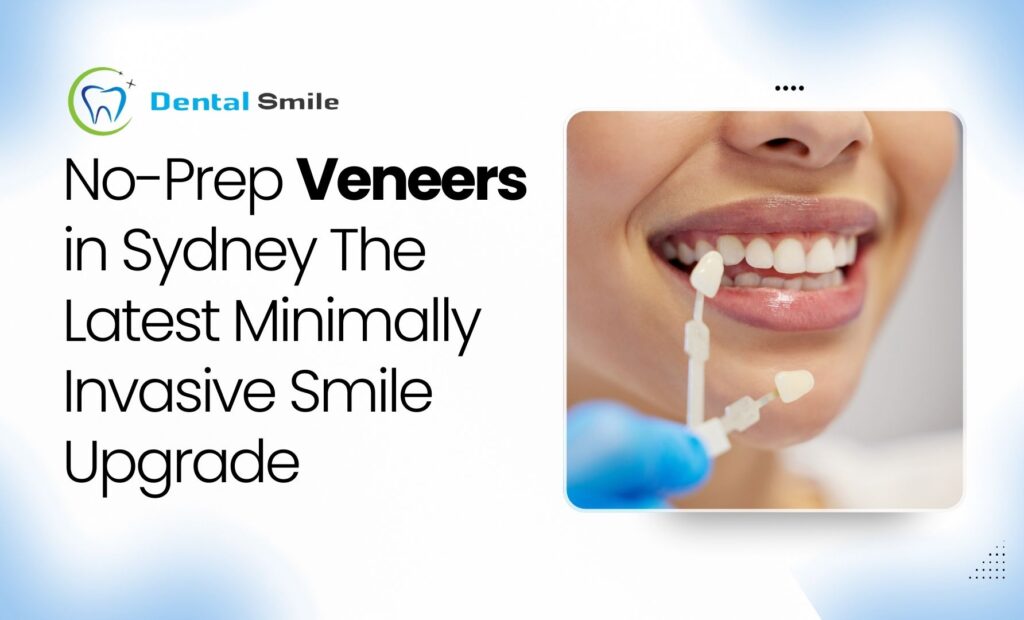
What Are No-Prep Veneers? No-prep veneers are ultra-thin, custom-designed shells bonded to the front of your teeth without removing enamel or reshaping the natural tooth. Unlike traditional veneers which require 0.3–0.7 mm of enamel reduction these “contact-lens thin” veneers preserve almost 100% of natural tooth structure. No-prep veneers fall under the category of minimally invasive cosmetic dentistry, making them popular among patients who want a fast, reversible, and gentle smile transformation. Why Sydney Patients Are Choosing Minimally Invasive Veneers In both Sydney and Melbourne, demand for no-prep and low-prep veneers has surged. The key reasons include: More people want natural-looking, subtle enhancements Patients don’t want the overly “done” Hollywood look anymore they want refined, understated upgrades. Fear of drilling or needles No-prep veneers usually require no injections, no enamel removal, and no downtime. Preference for reversible cosmetic treatments Because enamel isn’t removed, the procedure is often partially reversible. Faster results Some cases can be completed in one or two visits, especially when digital smile design technology is used. More dentists offering minimally invasive smile makeovers Advancements in materials and bonding make thin veneers stronger and more predictable. How No-Prep Veneers Compare to Traditional Veneers Feature No-Prep Veneers Traditional Veneers Enamel Removal None or minimal 0.3–0.7 mm Pain Level Minimal Mild (requires anesthetic) Reversibility Often reversible Not reversible Treatment Time 1–2 visits 2–3 visits Thickness Ultra-thin Standard thickness Best For Minor flaws, shape refinement Major cosmetic changes No-prep veneers are ideal for subtle enhancements, but may not suit cases needing significant reshaping or alignment correction. Benefits of No-Prep Veneers 1. Preserve Natural Tooth Structure The biggest advantage your natural enamel stays intact. 2. Quick and Comfortable No drilling, no grinding, no injections. 3. Natural Appearance Modern no-prep veneers are highly translucent and mimic real enamel. 4. Durable High-quality porcelain-based ultra-thin veneers can last 10+ years with proper care. 5. Stain-Resistant They maintain brightness longer than natural teeth. 6. Minimal Maintenance Regular brushing, flossing, and checkups are enough. Are You a Candidate for No-Prep Veneers? You may be suitable if you have: You may not be suitable if your teeth are large, very crooked, or if you have significant structural flaws. The No-Prep Veneer Procedure 1. Smile Design Consultation Your dentist assesses your teeth, goals, and suitability with photos, digital scans, and mock-ups. 2. Impression or Digital Scan Used to create veneers that match your natural shape and shade. 3. Veneer Creation (Lab Work) Your ultra-thin veneers are crafted using advanced materials like lithium disilicate. 4. Bonding Appointment No drilling the veneers are placed directly over your teeth using strong adhesive bonding. 5. Final Polishing & Follow-Up Small adjustments ensure perfect bite and comfort. How Long Do No-Prep Veneers Last? With proper care, no-prep veneers typically last 7–12 years.Longevity depends on: Cost of No-Prep Veneers in Sydney Pricing varies based on clinic, material, and complexity, but typically: They may be slightly more expensive than traditional veneers due to the delicate fabrication process. Some Sydney clinics also offer payment plans from $30–$60 per week. Conclusion If you’re looking for a fast, gentle, and natural-looking smile upgrade, no-prep veneers in Sydney are one of the most advanced minimally invasive options available today. They offer stunning results without drilling, injections, or removing precious enamel making them perfect for patients who want beauty with preservation. FAQs
Teeth Removal: A Complete Guide to Procedure, Costs, Recovery & Expert Tips
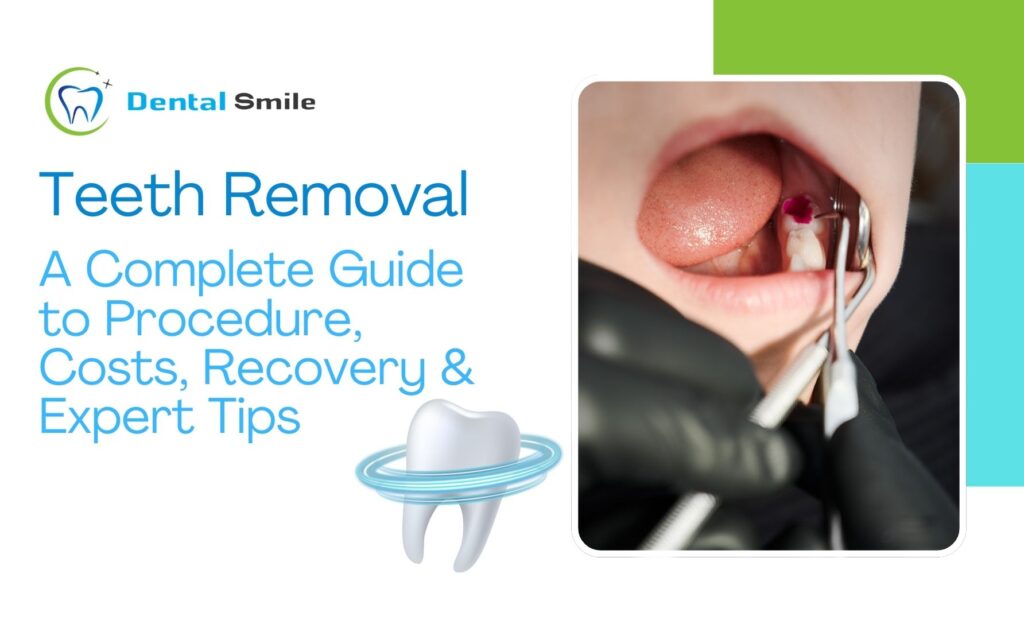
What Is Teeth Removal? If you’ve been dealing with persistent tooth pain or your dentist has recommended Teeth Removal, you’re definitely not alone. Tooth extraction is one of the most common dental procedures worldwide, and modern techniques make it far more comfortable than people expect. Whether it’s a wisdom tooth that’s making your life miserable or a severely decayed tooth causing issues, removal can protect your oral health and prevent bigger problems down the line. Teeth removal (also known as dental extraction) is the process of taking out a problematic tooth from its socket. Dentists recommend this only when a tooth can’t be restored or is causing complications. When Do You Actually Need a Tooth Extracted? There are several reasons a dentist may advise removing a tooth: 1. Severe Tooth Decay When decay reaches the inner pulp and root canal treatment isn’t suitable. 2. Impacted Wisdom Teeth Wisdom teeth often grow sideways or partially emerge, causing pain and infections. 3. Gum Disease Advanced periodontal disease can loosen teeth to a point where extraction is necessary. 4. Overcrowding For orthodontic treatments, sometimes a tooth must be removed to create room. 5. Fractured or Broken Teeth If the fracture extends below the gum line, extraction may be the only option. Types of Teeth Removal Procedures Simple Tooth Extraction Used when the tooth is visible and can easily be loosened and removed with dental instruments. Surgical Tooth Extraction This is needed when: Surgical extractions are common for wisdom teeth and complicated cases. What Happens During a Teeth Removal Appointment? Here’s a friendly walk-through so nothing feels intimidating: 1. Consultation & X-rays Your dentist examines the tooth and takes X-rays to study the position, shape, and surrounding bone. 2. Local Anaesthesia A numbing agent ensures you feel no pain only mild pressure. 3. Extraction For a simple extraction, the dentist loosens the tooth and removes it.For a surgical extraction, a small incision may be made in the gum. 4. Stitches (If Required) These help with healing. 5. Recovery Instructions Your dentist will give you personalised aftercare advice. How Much Does Teeth Removal Cost? Exact pricing varies, but here’s a general breakdown: External authority sources (like ADA or local dental associations) often state that costs depend on X-rays, complexity, and sedation options. Recovery Timeline: What to Expect Most people heal quickly, but here’s a typical timeline: First 24 Hours Day 2–3 Day 4–7 Week 2 Do’s & Don’ts After Teeth Removal Do: Apply ice packsStick to soft foodsKeep your mouth clean but gentleTake prescribed pain medicationRest and avoid strenuous activities Don’ts: Don’t drink through straws (risk of dry socket)Don’t smoke for at least 48–72 hoursDon’t eat crunchy, spicy, or hard foods initiallyDon’t touch the extraction site with your tongue or fingers Risks & Complications Teeth removal is generally safe, but like all medical procedures, there are risks: Your dentist will discuss these before the procedure. How to Prepare for Your Appointment A few tips to help you feel confident: Conclusion: Why Professional Teeth Removal Matters If you’re dealing with pain, swelling, or persistent dental issues, Teeth Removal can be a safe and effective solution to restore your oral health. Modern dental techniques make the process quick, comfortable, and predictable. The key is choosing an experienced dental team that guides you from pre-care to full recovery. For expert dental care and safe extractions, consider booking a consultation today. FAQs
Dentures Near Me: A Complete Guide to Finding Comfortable & Affordable Dentures
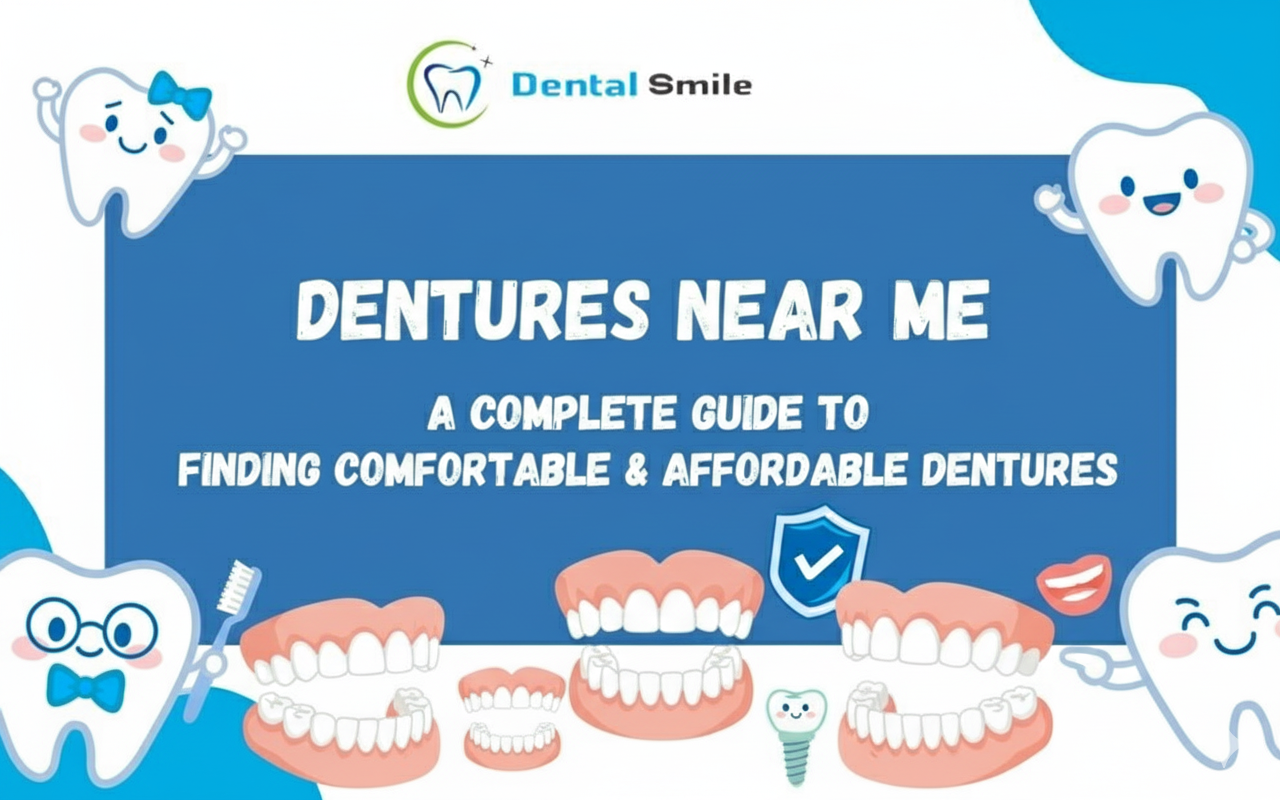
Introduction If you’ve been searching for “dentures near me”, you’re probably looking for a convenient, reliable dental solution that restores your smile without overwhelming your budget. Tooth loss whether caused by decay, injury, or age is extremely common, and dentures remain one of the most effective ways to regain comfort, function, and confidence. Today, many clinics offer affordable dentures made from durable, natural-looking materials. This guide explains everything you need to know: types of dentures, how to choose affordable options, what affects pricing, and how to care for them properly. Whether you’re getting dentures for the first time or replacing an old pair, this comprehensive blog will help you make an informed decision. What Are Dentures? Dentures are removable prosthetic devices created to replace missing teeth and surrounding tissues. They’re custom-designed to fit comfortably on your gums, restore chewing ability, improve speech clarity, and enhance your appearance. According to dental health research from the American Dental Association (ADA), millions of people worldwide rely on dentures, making them one of the most common restorative dental solutions. Dentures are typically crafted from acrylic, resin, or flexible polymers. High-quality dentures mimic the natural shade and shape of teeth, making them almost indistinguishable from real ones. Types of Dentures Available When you look up dentures near me, you’ll find that clinics usually offer several types, each designed for specific situations: a. Complete (Full) Dentures Used when all teeth in the upper or lower jaw are missing. They rely on suction and gum support. b. Partial Dentures Ideal for patients who still have some natural teeth. A partial denture fills the gaps while preventing remaining teeth from shifting. c. Immediate Dentures Placed on the same day as tooth extraction, these act as temporary dentures while gums heal. d. Flexible Dentures Made from soft, nylon-based materials, these offer improved comfort and reduce risk of irritation. e. Implant-Supported Dentures These attach to dental implants surgically placed in the jaw. They’re extremely stable and feel more like natural teeth. Flexible and implant-supported options often cost more, but they offer superior comfort and longevity. Why People Search for “Dentures Near Me” Here are the most common reasons people prefer finding a local denture service: 1. Accessibility Denture treatment requires multiple visits for measurements, fittings, adjustments, and follow-ups. 2. Faster Adjustments & Repairs If soreness, looseness, or breakage occurs, a nearby dentist can fix the issue quickly. 3. Better Communication Face-to-face visits help patients discuss expectations and concerns more clearly. 4. Trust & Professional Care Most people prefer a dentist they can visit regularly for future adjustments. Comfort, convenience, and accessibility are the main reasons local searches like dentures near me continue to increase. How to Choose Affordable Dentures Without Sacrificing Quality Finding affordable dentures doesn’t mean settling for poor craftsmanship. Here’s how you can balance cost and quality: Compare Materials Acrylic dentures are usually cheaper. Premium materials like flexible nylon or porcelain teeth cost more but last longer. Choose Standard Customization Highly detailed customization gum tinting, layered teeth, premium resin adds to the cost. Consider Non-Corporate Dental Clinics Independent dental clinics often provide competitive pricing compared to large dental chains. Ask About Payment Plans Many clinics offer monthly installments, making affordable dentures easier to manage. Look Into Community Dental Programs Many countries offer subsidized dental services, especially for seniors or low-income individuals. Match Your Needs With the Right Denture Type Not everyone needs the most expensive option; sometimes a standard denture is the perfect solution. Factors That Affect Denture Cost The price of dentures varies depending on several factors: Type of denture Full, partial, flexible, or implant-supported dentures all vary in cost. Materials used Basic acrylic is cheaper; premium porcelain or resin tends to be more expensive. Dentist’s expertise More experienced dentists or premium labs often charge more due to precision and quality. Number of appointments Consultations, adjustments, relining, and follow-ups all contribute to total cost. Geographical location Urban clinics usually cost more than suburban or small-town clinics. General Price Ranges (Globally Referenced from ADA and Healthline Research): Exact pricing varies by country and clinic, but the above reflects general industry patterns. Step-By-Step Guide to Getting Dentures Here’s what typically happens after searching for dentures near me and choosing a clinic: Step 1: Initial Consultation The dentist examines your gums, remaining teeth, and jaw structure. Step 2: Measurements & Impressions Accurate mouth impressions ensure proper fit and comfort. Step 3: Tooth Extraction (If Needed) Old or damaged teeth may need removal before denture placement. Step 4: Trial Denture A wax model is created to test appearance, bite, and fit. Step 5: Final Denture Fitting Your customized denture is crafted and fitted in place. Step 6: Adjustments Minor adjustments are natural in the first few weeks. Step 7: Aftercare Regular visits help maintain comfort and denture stability. Benefits of Wearing Dentures Dentures offer several advantages: Common Denture Problems & How to Avoid Them Even high-quality dentures may cause issues, especially if not fitted correctly. Soreness or Irritation Often a sign that dentures need adjustment. Difficulty Eating Soft foods help during the first few weeks. Loosening Over Time Gums naturally shrink; relining helps restore fit. Speech Changes Practice reading aloud until speech normalizes. Regular dental visits help prevent most problems. Denture Care: Daily Maintenance Tips The longevity of dentures greatly depends on proper care. Here are essential tips recommended by the ADA and dental health experts: 1. Clean dentures daily Use a soft-bristled brush and denture cleanser. 2. Soak dentures overnight This helps preserve their shape and prevents drying. 3. Avoid hot water Heat can warp the denture base. 4. Brush gums and tongue Maintains oral hygiene and prevents infections. 5. Handle with care A drop can cause cracks or fractures. 6. Schedule regular dental visits Professional cleaning and adjustments help maintain comfort. Conclusion Finding the right dentures near me doesn’t have to be stressful. Whether you need partial, full, flexible, or implant-supported options, there are plenty of high-quality and affordable dentures available today. With the right dentist, proper materials,
Wisdom Teeth Removal: A Complete Guide to Procedure, Recovery, Cost & Aftercare

What Is Wisdom Teeth Removal? If you’ve been dealing with jaw pain, swollen gums, or that annoying pressure at the back of your mouth, there’s a good chance you’re dealing with your third molars also known as wisdom teeth. Wisdom Teeth Removal is a minor oral surgery procedure that involves extracting one or more of these molars to prevent or treat dental problems like impaction, infection, or misalignment. This treatment is extremely common according to the American Dental Association (ADA), millions of patients undergo this procedure each year to reduce long-term oral health risks. Why Wisdom Teeth Need to Be Removed Wisdom teeth typically erupt between ages 17–25, but by that time, your jaw is usually fully developed and may not have enough room. When they don’t erupt properly, several issues can arise: Signs You May Need Wisdom Teeth Removal You may need to consider extraction if you experience: Your dentist will usually confirm this through X-rays to see the angle and space available for eruption. Benefits of Early Wisdom Teeth Extraction Removing wisdom teeth earlier often during the teenage years has several advantages: Early removal can also help prevent shifting of teeth, especially if someone has had orthodontic treatment already. Wisdom Teeth Removal Procedure Step by Step Understanding the process reduces anxiety and helps you prepare mentally. Before the Wisdom Teeth Removal Procedure During the Procedure Your oral surgeon will: Most procedures take 30–60 minutes. After the Procedure You’ll rest until the anesthesia wears off, then receive post-care instructions before going home. Recovery Timeline & Aftercare Tips Recovery usually lasts 3–7 days, but for impacted extractions, full healing can take a couple of weeks. What to Expect Aftercare Tips Cost of Wisdom Teeth Removal The cost varies depending on: Average cost range: Insurance may cover part of the expenses. Risks & Complications Like any surgery, there are potential risks: However, serious complications are rare when performed by experienced oral surgeons. How to Prepare Before the Procedure Best Foods to Eat After Wisdom Teeth Removal Go for foods that are soft, cool, and easy to swallow: Avoid crunchy, spicy, or acidic foods for at least 5 days. When to Call Your Dentist Reach out to your provider if you experience: Conclusion If you’ve been struggling with jaw pain, gum swelling, or discomfort at the back of your mouth, Wisdom Teeth Removal may be the best step to protect your oral health. The procedure is safe, quick, and helps prevent long-term complications. With proper aftercare and early detection, you can recover smoothly and maintain a healthy smile. FAQs About Wisdom Teeth Removal