
Introduction
Maintaining a bright, healthy smile has never been more important. With social media trends, beauty standards, and wellness culture evolving rapidly, people are increasingly seeking safe, natural ways to maintain white teeth without compromising enamel. While teeth whitening products are widely available, many contain harsh agents that can weaken enamel, increase sensitivity, or damage gums.
In this 2025 guide, we reveal evidence-based, enamel-friendly and natural methods to help you maintain a radiant smile without relying on abrasive DIY hacks or harsh bleaching.

Why Natural Teeth Whitening Matters in 2025
In 2025, there is a rising shift toward holistic oral care, driven by:
- A demand for clean, chemical-free personal care
- Sensitivity to peroxide-based whiteners
- Concerns about enamel erosion from over-whitening
- Increasing popularity of dentist-approved natural products
- Social media trends promoting “natural beauty upgrades”
The result? People want white teeth that are natural, sustainable, and enamel-safe not artificial, overly bleached results that compromise oral health.
How Enamel Works (And Why You Must Protect It)
Enamel is the outermost, protective layer of your teeth. Unlike other tissues, enamel cannot regenerate, meaning once it’s damaged, it’s permanent.
The biggest threats to enamel include:
- Acidic foods and drinks
- Over-brushing
- Abrasive toothpaste
- Excessive peroxide use
- DIY whitening such as baking soda + lemon
- Charcoal powder scrubs
- Untreated decay or gum problems
Because enamel is essential for both tooth health and natural whiteness, the goal is to whiten safely while preserving enamel integrity.
1. Adopt an Enamel-Friendly Oral Care Routine (2025 Standards)
Use a low-abrasion whitening toothpaste
Modern whitening toothpaste in 2025 uses enzymes, minerals, and nano-hydroxyapatite, which whiten by polishing and remineralizing, rather than scraping at your enamel.
Look for:
- RDA value under 70
- Hydroxyapatite (HAp)
- Enzyme-based stain removal
- Fluoride or fluoride-free mineral strengthening
Avoid:
- Charcoal
- Baking soda blends
- Harsh abrasives (anything gritty)
Brush gently with a soft brush
Brushing too hard or using a hard brush can remove enamel micro-layers over time.
The 2025 guideline:
- Soft or ultra-soft bristles only
- Brushing at a 45° angle
- Small circular motions
- 2 minutes, twice a day
This protects enamel while removing surface stains the key to maintaining white teeth naturally.
2. Follow the “Clean Drinking Pattern” for Stain Prevention
Staining drinks are the #1 cause of teeth discoloration, especially:
- Coffee
- Tea
- Red wine
- Colas
- Matcha
- Beetroot juice
- Turmeric lattes
2025 Trend: “Sip Smart”
To keep teeth white naturally:
- Drink staining liquids through a straw (metal or silicone).
- Rinse with water after every acidic or dark drink.
- Avoid sipping slowly over long periods (prolonged exposure stains more).
- Finish your drink in one sitting rather than grazing throughout the day.
Add enamel-supporting drinks to your routine
- Still water
- Milk
- Green tea (mild whitening polyphenols)
- Xylitol-based drinks (prevent bacteria)
3. Eat Teeth-Whitening Foods (Nature’s Polishers)
Certain foods naturally whiten teeth by boosting saliva, polishing enamel, and reducing stains.
Best 2025 “natural whitening foods” list:
- Strawberries (malic acid gently dissolves surface stains)
- Pineapple (bromelain enzyme reduces debris)
- Apples (fibrous scrubbing effect)
- Celery & carrots (increase saliva, clean surface)
- Cheese & yogurt (calcium + casein strengthen enamel)
- Broccoli (natural iron film protects enamel)
Make these part of your daily or weekly diet to maintain white teeth naturally without chemicals.
4. Oil Pulling: Still Effective in 2025?
Oil pulling remains one of the most researched natural oral care methods.
Swishing coconut oil for 10–15 minutes daily may:
- Reduce plaque buildup
- Lower bacteria levels
- Brighten teeth over time
- Improve gum health
While not a dramatic whitener, it helps maintain a clean, stain-free surface and supports enamel protection.
Best oils for 2025:
- Organic coconut oil
- Sesame oil
- Sunflower oil
5. Use Remineralizing Agents (Natural Enamel Strengthening)
To naturally maintain white teeth and protect enamel, remineralization is essential.
Top enamel-strengthening ingredients in 2025:
Hydroxyapatite (HAp)
A natural mineral that makes up 90% of tooth enamel.
Benefits:
- Whitens by repairing micro-cracks
- Reduces sensitivity
- Rebuilds enamel structure
Fluoride (classic enamel protector)
Helps harden enamel and prevent cavities.
Xylitol
Blocks acid attacks and reduces bacteria.
Casein phosphopeptide-calcium phosphate (CPP-ACP)
Milk-derived mineral that strengthens enamel.
Using remineralization toothpaste or serum daily is now a core part of the enamel-friendly whitening trend.
6. Skip the Harsh DIY Hacks (Especially These!)
Many DIY whitening tricks went viral on TikTok and Instagram but most damage enamel.
Avoid these harmful DIY teeth whitening trends:
- Baking soda + lemon
- Activated charcoal brushing
- Hydrogen peroxide rinsing
- Whitening pens from unregulated online sellers
- Magic whitening powders
- Banana peels / turmeric scrubs
- Apple cider vinegar swishing
These methods erode enamel, making teeth look yellower long-term.
7. Consider Non-Bleaching Whitening Alternatives (2025 Innovations)
2025 has introduced non-peroxide whitening technology, ideal for sensitive or enamel-conscious users.
PAP+ (Phthalimidoperoxycaproic acid)
Whitens without damaging enamel.
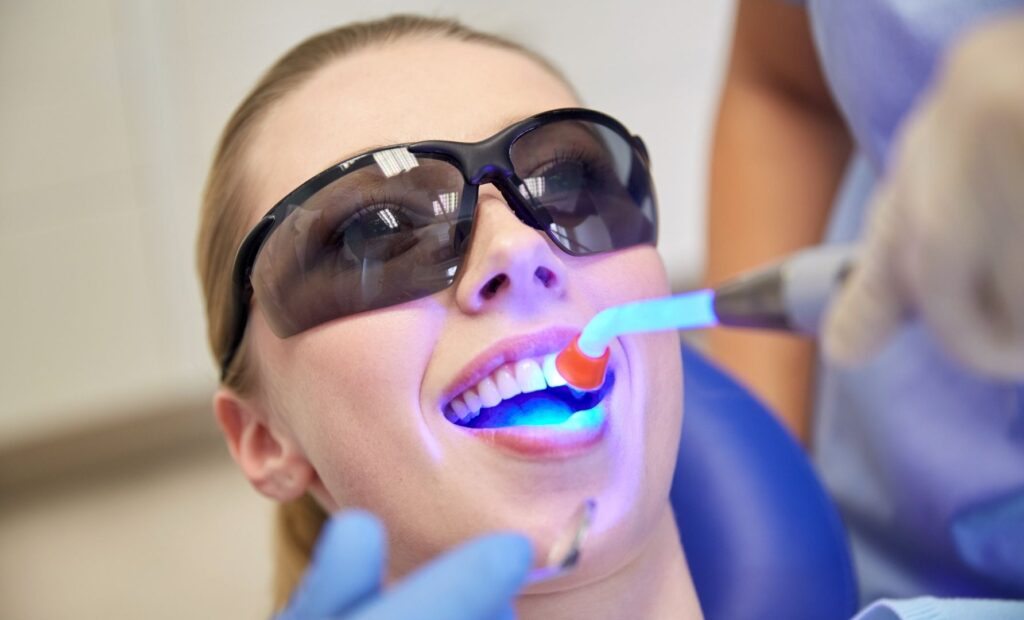
Blue light stain breakdown
Used in LED products without peroxide.
Enzyme whitening
Utilizes papain and bromelain enzymes to break stains.
These innovations focus on surface stain removal, enamel repair, and long-term strengthening instead of harsh bleaching.
8. Professional Cleaning: The Most Enamel-Safe Whitening Support
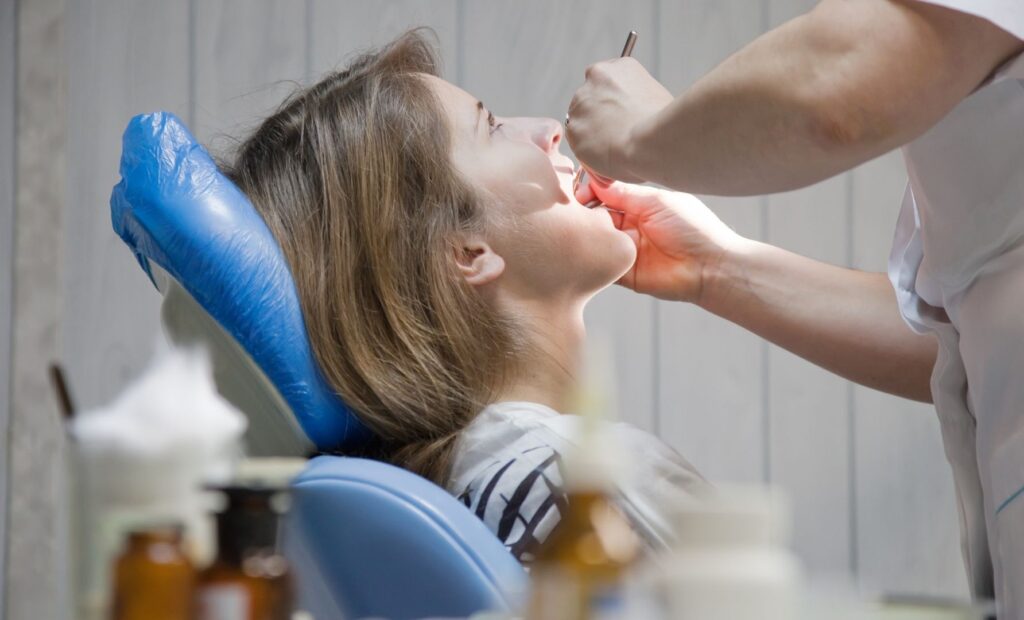
Regular professional dental cleaning is still one of the safest, most effective ways to keep teeth white naturally.
Dentists use ultrasonic scalers and polishing to remove:
- Plaque
- Tartar
- Surface stains from coffee/tea
- Biofilm buildup
Recommendation (2025):
Get a dental cleaning every 6 months to keep enamel healthy and maintain natural whiteness.
9. Lifestyle Habits That Help Maintain White Teeth Naturally
Drink more water
Flushes stain-causing particles.
Quit or reduce smoking/vaping
Nicotine stains are some of the toughest to remove.
Avoid mouth breathing
It dries the mouth → increases bacteria → increases staining.
Chew sugar-free gum
Boosts saliva → cleans enamel.
Conclusion
In 2025, the best approach to maintain white teeth naturally without compromising enamel is a balanced combination of enamel-friendly oral care, smart dietary habits, remineralization, and avoiding harsh DIY hacks. A naturally white smile is built on consistency, not shortcuts.
By adopting the methods above and supporting your enamel through gentle products and professional cleanings, you can enjoy a bright, healthy smile for years naturally and safely.
If you want long-lasting, natural whiteness, remember: protecting enamel is the key to a truly radiant smile.
Frequently Asked Questions
Use enamel-safe methods like hydroxyapatite toothpaste, whitening foods, oil pulling, proper brushing, and avoiding acidic drinks.
Baking soda is abrasive and can damage enamel when overused. It is not recommended as a long-term whitening solution.
Yes. Use a straw, rinse your mouth after drinking coffee, avoid sipping slowly all day, and follow proper oral hygiene.
