
Wisdom Teeth Removal: Expert Care For Fast, Comfortable Recovery
Dental Smile Charmhaven provides wisdom teeth removal for patients across Lake Haven, San Remo, Blue Haven and the Central Coast from our Charmhaven clinic on the Pacific Highway.
Need wisdom teeth removed to protect your health? Fortunately, we offer expert removal services with gentle care. Moreover, our experienced surgeons use new methods. This ensures smooth procedures and fast, comfortable recovery for every patient.
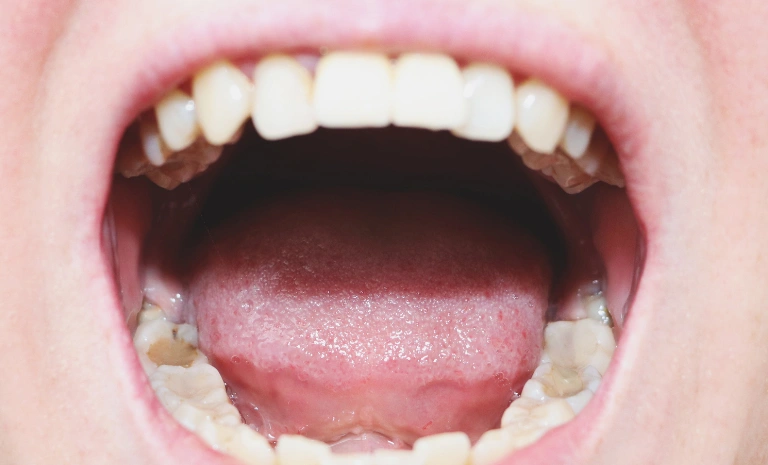
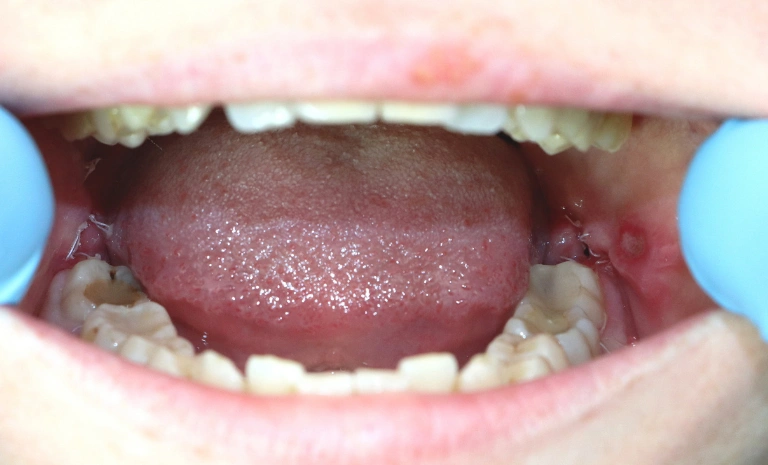
What Is Wisdom Teeth Removal?
Wisdom teeth removal is taking out the third molars. These teeth usually appear between ages 17 and 25. Many people lack enough jaw space for them to come in right. Therefore, removal is often necessary. It prevents pain, infection, crowding, and damage to other teeth. Additionally, prompt removal protects your overall oral health and prevents future issues from developing.
Types
Types of Wisdom Teeth Removal Procedures
Simple Extraction
This is best when wisdom teeth are fully above the gumline. We use local numbing. We gently take out the tooth. No cuts or bone removal are needed.
Surgical Extraction
This is for teeth trapped under gums or in the jawbone. This needs small cuts. Sometimes we must remove some bone to reach it. Alternatively, we may cut the tooth into pieces for easier removal.
Partial Bony Impaction
These teeth are partly stuck in the jawbone. Surgery allows safe removal while minimizing harm to nearby bone.
Complete Bony Impaction
Fully stuck wisdom teeth are all inside the jawbone. Consequently, these complex removals need careful surgery. They typically involve bone removal for access.
Benefits of Timely Wisdom Teeth Removal
Removing problem wisdom teeth early gives big health benefits. More importantly, early removal prevents serious problems. These are harder and costlier to fix later.
Eliminate pain
Eliminate pain and discomfort caused by infected teeth.
Prevent Infections
Prevent dangerous infections from spreading to mouth.
Protect Teeth
Protect adjacent teeth from damage caused by decay or crowding.
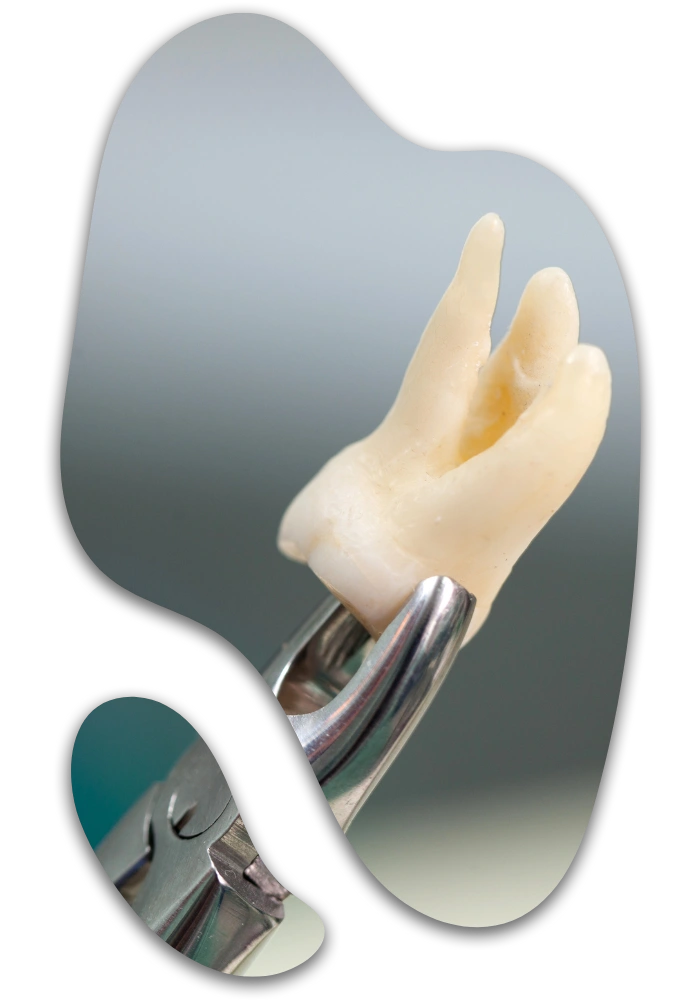
Create Space
Create necessary space for braces or proper alignment.
Eliminate Problems
Eliminate persistent problems that other treatments cannot fix.
Fast Recovery
Most patients return to normal activities within days.
Our 4 Step
Wisdom Teeth Removal Process
Consultation
First, we check your mouth well. We take 3D images to see the tooth position. Then, we plan your treatment and discuss all sedation options.
Comfortable Sedation
Next, we provide the right numbing or sedation for your comfort. Our team helps you choose from local numbing, oral sedation, IV sedation, or general anesthesia.
Gentle Extraction
After full numbing, our surgeons carefully remove your wisdom teeth. They use precise, gentle methods. Subsequently, we clean the areas and place stitches if needed.
Recovery Monitoring
Finally, you rest in our comfortable recovery room before going home. Additionally, we give detailed aftercare steps. We schedule follow-up visits to check healing closely.
Why Choose Dental Smiles
Why Choose Dental Smiles for Wisdom Teeth Removal?
Wisdom teeth removal in Charmhaven, Central Coast. At Dental Smile Charmhaven, wisdom teeth assessment and removal happen under one roof at our clinic at Shop 7B/195 Pacific Highway, so you are not sent to Sydney for a consultation. We take digital X-rays on site, explain whether a simple or surgical extraction is needed, and give you an itemised quote before anything starts. Patients come to us from Lake Haven, San Remo, Blue Haven, Gorokan, Toukley, Wyee and Doyalson. Health fund claims are processed on the spot, and Mediplan interest-free payment plans let you spread the cost. If a wisdom tooth is already painful or infected, call (02) 4330 0834 and we will keep time aside for you the same day. Learn more about our Charmhaven clinic.
Don't Wait Book Your Consultation Today
Don’t let wisdom teeth pain affect your life. Instead, fix the issue now before it gets worse. Moreover, early removal is easier with faster healing when done at the right age.
Schedule your consultation today. Get expert check-up and treatment. Furthermore, our surgery team makes the process comfortable with gentle techniques. In addition, we are available 24/7 for urgent dental emergencies. Your comfort and oral health come first. Let us help you feel better fast!

Why Our Patients Say Wow
Trustindex verifies that the original source of the review is Google. Both the dentist and dental nurse were lovelyPosted onTrustindex verifies that the original source of the review is Google. Had a dental filling today Everything is done perfectly Took almost 40 to 45 minutes I am also happy with the cost which is very less as compared to others ThanksPosted onTrustindex verifies that the original source of the review is Google. Very friendly and professional service. Highly recommended.Posted onTrustindex verifies that the original source of the review is Google. Very helpfull, and extremely respectful, definitely best dentist I have visited.Posted onTrustindex verifies that the original source of the review is Google. Best servicePosted onTrustindex verifies that the original source of the review is Google. Dental smile helped me a lot😭😭😭😭❤️❤️❤️❤️❤️Posted on

FAQ
You Can Find All Answers Here
No! We ensure full numbing before starting. Therefore, you feel no pain during surgery. Some pressure is normal.
Most patients feel much better within 4-7 days after simple removal. However, surgical removal may need slightly more time.
Yes, removing all four is common. Most dentists advise it. Therefore, you only have one recovery time instead of multiple surgeries.
Severe pain starting 3-4 days after removal is a sign. Additionally, bad taste, visible bone, or pain going to your ear needs fast attention.
Other Related Services
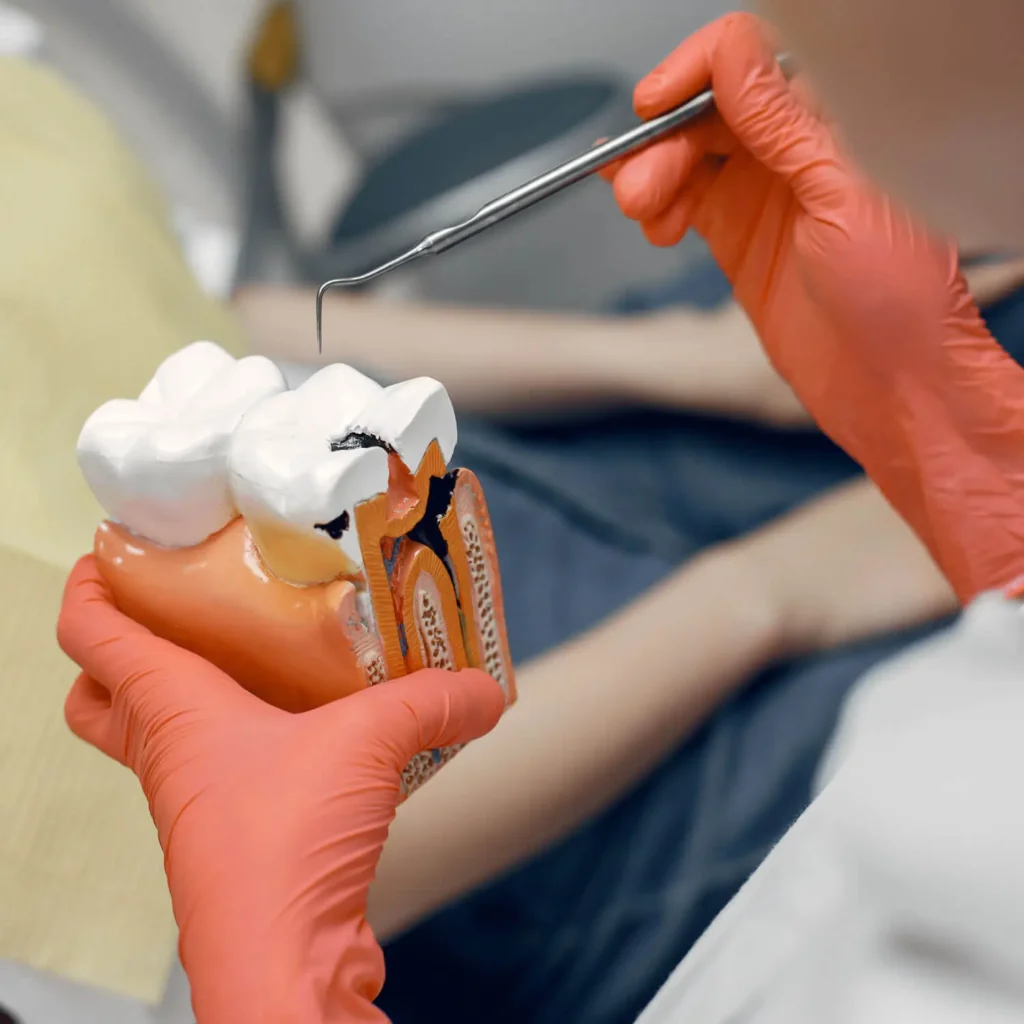
Endodontist
Save your natural tooth with our gentle root canal therapy. Our skilled team removes infected tissue, alleviating pain and preventing tooth loss while preserving your tooth’s function and appearance.
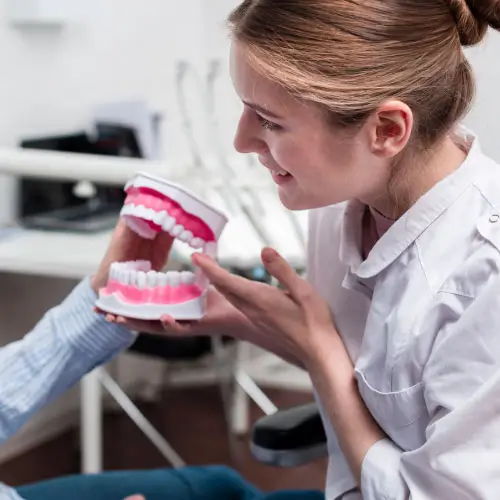
Dentures
Whether you need to replace a few or all of your teeth, our custom full and partial dentures restore both function and aesthetics. Designed for comfort, they help you regain your confidence and smile.
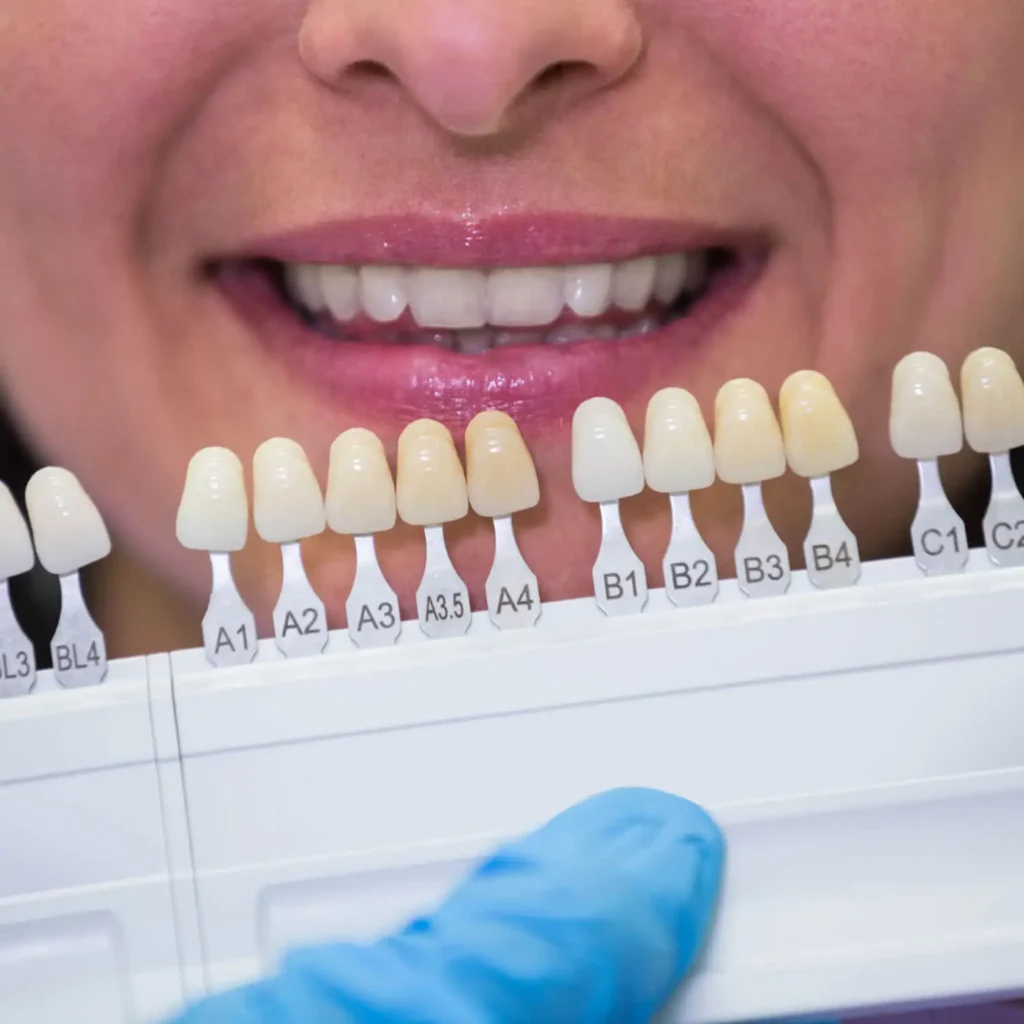
Veneers for Teeth
Enhance your smile with porcelain veneers, designed to correct imperfections like chips, gaps, and discoloration. These custom-made shells provide a flawless, natural-looking smile with minimal tooth alteration.
Other Related Services
We Would Love to Hear from You!
Monday -Friday 9AM-5PM | Saturday by Appointment